


 English (UK)
  Русский
  العربية
  日本語
日本語  한국어
한국어  Magyar
  Türkçe
  Español
  Čeština
  Svenska
  Português
  Ελληνικά
  Suomi
Suomi  Nederlands
  Română
  Italiano
  Français
  Polski
  Українська
  Deutsch
  简体中文
简体中文  Slovenčina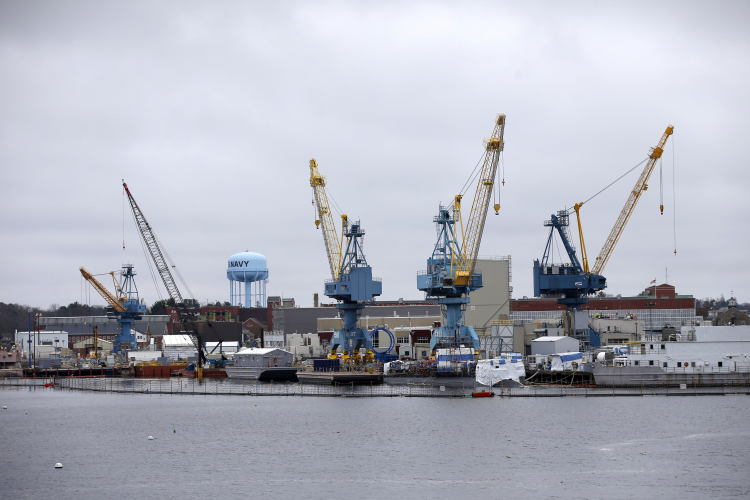

The Strategic Weight of Shipbuilding Alliance
Shipbuilding cooperation between the Republic of Korea (ROK) and the United States transcends basic industrial partnership, acting as a crucial pillar in enhancing maritime power in the Indo-Pacific region. Such collaboration isn’t just about building ships efficiently—it’s a coordinated effort to fuse industrial capacities with strategic military objectives.
In the face of evolving naval challenges, this alliance bolsters deterrence capabilities, particularly on the Korean Peninsula where naval strength thwarts asymmetric threats like submarines, sea-launched missiles, and covert operations. Efficient shipbuilding and maintenance ensure readiness and resilience, key for rapid response in crisis situations.
Reinforcing Alliance Backbone through Industrial Integration
The cooperation opens access for the U.S. to Korea’s high-efficiency shipbuilding yards, known for their swift construction rates and cost control, while Korea benefits by deeper integration into alliance-level defense strategies. This partnership is a clear message that maritime prowess is supported by robust industrial networks, not isolated national sectors.
Industrial Advantages and Strategic Challenges
Combining Korean expertise in large-scale ship production with American strengths in advanced naval systems and combat technology creates a complementary dynamic. This synergy helps both nations cover their industrial gaps—such as easing U.S. shipyard labor shortages while granting Korean industries access to sophisticated defense systems.
However, the collaboration faces hurdles, particularly around sensitive technology transfer. The balance between safeguarding critical defense tech and enabling cooperation is delicate. Too many restrictions could stifle progress; too few protections risk security. Trust and clear communication on boundaries are essential.
Enhancing Interoperability and Forward Logistics
Operationally, this cooperation streamlines how allied navies work together, standardizing ship designs, maintenance, and modular constructions. This shared approach reduces logistical friction during joint operations and supports more efficient supply and repair across regions—advantages that reflect directly on the agility and reliability of maritime logistics.
| Aspect | ROK Strengths | U.S. Strengths |
|---|---|---|
| Production | High efficiency, cost-effective large-scale construction | Advanced naval combat systems integration |
| Industrial Capacity | Proven shipyard throughput | Cutting-edge propulsion and survivability tech |
| Strategic Benefits | Access to defense markets | Relieves shipyard bottlenecks |
Economic and Political Dimensions
Joint shipbuilding projects inject vitality into economies by creating jobs and stabilizing supplier networks amid commercial market fluctuations. Yet, domestically, voices emerge with concerns—U.S. labor unions and legislators wary of foreign involvement, and in Korea, a desire to balance alliance priorities against national interests. Managing these political factors is as critical as aligning strategic goals.
Sending Strong Geopolitical Signals
This collaboration communicates clear messages across the region. It reassures partners that naval superiority is based on enduring industrial support. It also signals to other maritime actors the alliance’s commitment to sustained maritime strength beyond temporary military build-ups, highlighting long-term competition readiness.
Looking Ahead: From Projects to Strategic Enterprise
The future success of this partnership relies on treating cooperation as a long-term strategic venture, rather than a patchwork of individual projects. Establishing shared objectives, aligned expectations, and institutionalized coordination can turn this alliance into a foundational element of 21st-century maritime power.
If managed wisely, ROK–U.S. shipbuilding cooperation can deepen deterrence, improve interoperability, and sustain the alliance through industrial policy and shared logistics—a comprehensive approach far beyond just sea presence.
Logistics Implications: Maritime Power Meets Cargo Transport
For industries tied to shipping and freight, the emerging alliance shapes the conditions for safer, more reliable maritime routes and port operations. Strong naval forces backed by supreme shipbuilding capacity protect trade flows, secure cargo shipments, and enable durable supply chains. Companies engaged in moving bulky or sensitive goods can therefore feel more confident in stable maritime environments. Platforms like GetTransport.com benefit indirectly, offering more dependable international cargo transportation solutions as regional security and port efficiency improve.
Summary of Key Points
- ROK–U.S. shipbuilding cooperation amplifies strategic maritime deterrence and alliance credibility.
- Combines strengths: Korean production efficiency with U.S. advanced naval tech.
- Supports interoperability through common design and maintenance standards.
- Generates economic benefits but requires delicate political balancing.
- Sends geopolitical signals reaffirming long-term maritime competition readiness.
- Enhances maritime logistics by securing crucial sea lanes for global trade.
No matter how insightful reviews or thorough feedback can be, there’s nothing quite like personal experience to truly grasp the benefits of this cooperation. On GetTransport.com, users can book their cargo transport at competitive, global rates—empowering them with choices that minimize cost and maximize reliability. The platform’s transparency and wide selection echo the spirit of this shipbuilding alliance: efficiency, trustworthiness, and collaboration. Book your ride with GetTransport.com today.
While the global logistics impact of ROK–U.S. shipbuilding cooperation might not shift markets overnight, its strategic relevance remains significant. GetTransport.com keeps pace with evolving maritime and industrial developments to ensure your cargo shipments and freight operations are supported by a world that steadily improves in resilience and capacity. Start planning your next delivery and secure your cargo with GetTransport.com.
To wrap up, the ROK–U.S. shipbuilding cooperation is a critical cornerstone of modern maritime power, strengthening alliance deterrence, enabling industrial synergy, and shaping the future of maritime logistics. Its ripple effects touch everything from naval readiness to the dependable flow of international shipments. Such deep collaboration not only fortifies global security but also enhances the stability and efficiency upon which freight, forwarding, and shipping industries—including services like GetTransport.com—rely every day.