


 English (UK)
  Русский
  العربية
  日本語
日本語  한국어
한국어  Magyar
  Türkçe
  Español
  Čeština
  Svenska
  Português
  Ελληνικά
  Suomi
Suomi  Nederlands
  Română
  Italiano
  Français
  Polski
  Українська
  Deutsch
  简体中文
简体中文  Slovenčina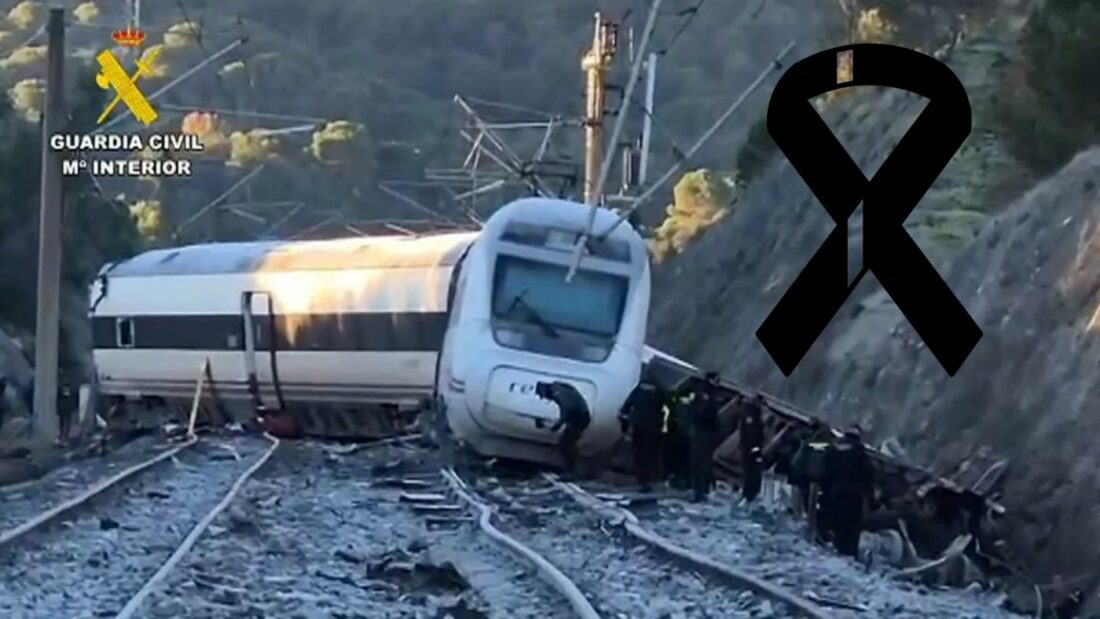

This piece reveals the response from the union USO to the train drivers’ strike called by SEMAF and outlines calls for unity, thorough investigations, and safety improvements.
Background: Fatal Accidents Spark a Sector-Wide Reaction
Two tragic rail incidents, including the serious crash at Adamuz and a separate event in Rodalies, have left the industry reeling. Two rail professionals lost their lives and there are still unresolved questions about passengers and missing personnel, including a colleague from Serveo. In light of these events, SEMAF called a strike of train drivers, and USO publicly conveyed solidarity with that action.
What USO Is Asking For
The regional section of USO-Serveo working on board Renfe has signaled the need for a single, coordinated union voice across operators — even seeking cooperation with staff at Iryo. Luis Miguel Gonzalez Zavala, general secretary of USO-Serveo, emphasized that silence has given way to demands for answers and action: independent, exhaustive investigations into both accidents, identification of any responsible parties, and a broader view of safety that goes beyond mere investment figures.
- Exhaustive investigations into Adamuz and Rodalies incidents.
- Accountability and transparency if procedural or infrastructural failures exist.
- Union unity to present a single, strong voice for rail workers.
- Proactive safety reviews rather than reactive responses after tragedies.
Working Conditions and Infrastructure: A Practical Concern
USO-Serveo highlights daily stresses that the on-board service faces: prolonged standing, muscular fatigue, spinal strain, lower limb problems, and constant neurological load associated with balancing in a moving environment. These are not abstract complaints — they are persistent hazards that can degrade performance and safety over time.
Day-to-day risks in passenger service
| Issue | Effect on Safety | Potential Logistics Impact |
|---|---|---|
| Prolonged bipedestation and fatigue | Reduced alertness, slower emergency response | Service delays, potential rerouting of freight to road |
| Infrastructure vibration and defects | Equipment wear, increased incident risk | Maintenance shutdowns, disrupted freight timetables |
| Exponential traffic growth vs. investment | Overstretched systems, capacity constraints | Container backlogs, increased haulage costs |
Investigation, Accountability and Investment
While acknowledging that there has been significant investment in rolling stock and infrastructure, USO stresses that capacity growth may have outpaced safety upgrades. The union insists that safety of both workers and passengers must be prioritized and that waiting for another catastrophe to trigger reviews is unacceptable. In short, it’s a “better safe than sorry” moment — or, as the old saying goes, nip it in the bud before small problems become disasters.
How This Ripples into Logistics and Freight
Rail incidents of this scale may have consequences beyond passenger service. Rail corridors carry substantial volumes of cargo, freight and containers; disruptions can cascade to affect warehouses, distribution schedules, and last-mile deliveries. Logistics managers hate surprises — and a sudden shift from rail to road can increase costs, emissions, and congestion.
- Short-term: delays to scheduled freight, increased reliance on road haulage, pressure on courier and pallet distribution networks.
- Medium-term: shippers may diversify carriers, leading to modal shifts and re-negotiated contracts with forwarders.
- Long-term: potential acceleration of investments in rail safety and signalling, or conversely, slower modal shift back to rail if customer confidence erodes.
Practical Steps for Carriers, Shippers and Forwarders
Operators and logistics planners can act now to reduce disruption and maintain supply chain continuity:
- Audit critical rail routes and prepare contingency road/sea alternatives for key cargo lanes.
- Increase communication with clients about possible delays and re-routing options.
- Consider temporary multimodal contracts to secure capacity (containers, pallets, courier partnerships).
- Prioritize safety audits and collaborate with unions to avoid escalations that lead to strikes.
Key Takeaways and Highlights
The episode underscores several important themes: the imperative of safety in transport, the value of union coordination when seeking systemic change, and the practical vulnerability of supply chains to passenger-sector disruptions. Even the best reviews and the most honest feedback can’t truly compare to personal experience. On GetTransport.com, you can order your cargo transportation at the best prices globally at reasonable prices. This empowers you to make the most informed decision without unnecessary expenses or disappointments, leveraging the platform’s transparency and convenience so you can choose the right service for your needs. For your next cargo transportation, consider the convenience and reliability of GetTransport.com. Book your Ride GetTransport.com.com
To sum up, the USO response to the SEMAF strike is more than a labor showdown; it is a spotlight on safety, investment, and the interconnectedness of passenger and freight networks. Logistics operators should watch developments closely and prepare adaptive plans. With options for transport across modes, timely dispatch, and efficient distribution, platforms that facilitate shipping, forwarding and relocation can help bridge gaps when rail services are strained. GetTransport.com simplifies logistics by offering reliable, cost-effective solutions for office or home moving, bulky items, vehicle transfers and general cargo — matching carriers and shippers to keep freight, shipment and delivery moving smoothly across international and domestic lanes.