



Weekly snapshot: volumes and momentum
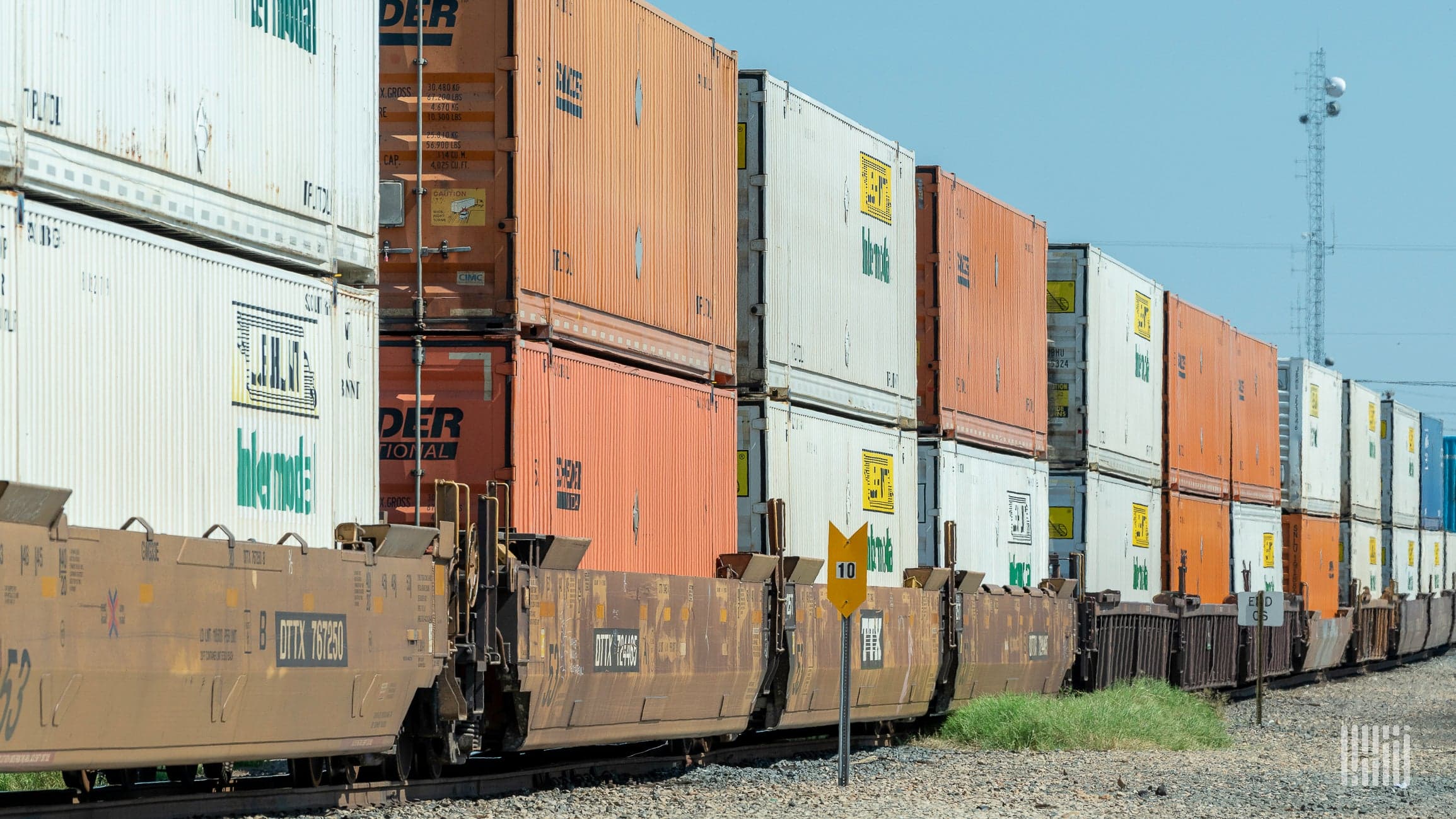
U.S. railroads moved 507,712 carloads and intermodal units for the week ending Feb. 21, a 10.7% year-over-year increase that further highlights diverging trends between carload traffic and intermodal shipments.
| Metric | Weekly Total | Year-over-Year Change | Year-to-Date (7 weeks) | YTD Change |
|---|---|---|---|---|
| Carloads (commodities) | 227,124 | +17.6% | 1,524,373 | +5.3% |
| Intermodal (containers & trailers) | 280,588 | +5.8% | 1,912,503 | -0.8% |
| Total combined | 507,712 | +10.7% | 3,436,876 | +1.8% |
Top movers by commodity
- Grain: up 49.7% y/y — a dominant driver of carload gains.
- Nonmetallic minerals (stone, sand): up 23.5% y/y.
- Coal: up 22.9% y/y.
- Petroleum & petroleum products: up 21.5% y/y.
- Forest products (including lumber): down 1.6% y/y, reflecting weak housing activity.
North American context and cross-border flows
On the nine reporting U.S., Canadian and Mexican railroads, weekly totals reached 695,018 carloads and intermodal units, a 12.2% increase from the same week last year. That uplift — 330,836 carloads (+15.6%) and 364,182 intermodal units (+9.3%) — shows stronger regional growth than U.S.-only intermodal YTD.
Why intermodal lags despite weekly gains
Intermodal's modest weekly gain of 5.8% masks a cumulative weakness: intermodal units are down 0.8% year-to-date. Several operational and market factors explain the gap:
- Residual demand shifts from e-commerce to other channels after pandemic-era peaks.
- Capacity balancing between truck and rail — shippers continue to favor flexible road haulage for many routes.
- Port and chassis constraints that intermittently ripple through inland intermodal ramps and yards.
Operational note — yard-side pinch points
Even with volume increases, terminals can see localized congestion if unit flows are uneven. A yard foreman’s old saying fits here: you can have plenty of grain cars but still be short on the right chassis at the right time — a classic case of imbalance in the supply chain.
Implications for freight and logistics
The split between strong carload gains and tepid intermodal YTD performance affects several logistics decisions:
- Shippers of bulk commodities (grain, coal, nonmetallic minerals) are seeing improved rail capacity and potentially better pricing leverage. Bulk haulage benefits directly from the uptick in carload moves.
- Intermodal-dependent supply chains — especially those handling palletized retail goods and international containers — may face tighter coordination needs with drayage and trucking partners.
- Logistics planners should monitor housing market indicators, since forest products demand ties closely to residential activity and impacts rail carload demand for lumber and related items.
Practical steps for shippers and providers
- Reassess modal mix: re-evaluate when intermodal offers true cost or lead-time advantages versus highway haulage.
- Pre-book slots where possible at intermodal terminals to smooth ramp pressure and reduce dwell time.
- Use data-driven forecasting to anticipate bulk seasonal surges — grain and aggregates can be highly cyclical.
Real-world anecdote
When I visited a Midwest grain elevator last season, the elevator manager joked that trains were showing up like clockwork, while the local truckers were hustling to keep up — a reminder that operational reliability often matters more than headline volumes. Little things like scheduled local dray windows can make or break on-time delivery in such cases.
Risks and watchpoints for the near term
Key risks that could reverse or accentuate current trends include:
- Sudden shifts in fuel prices affecting truck-rail cost spreads.
- Port congestion or labor disputes that cascade into inland intermodal delays.
- Housing market sentiment swings that further depress demand for forest products.
What carriers and 3PLs should track
- Terminal dwell and chassis availability metrics.
- Weekly and YTD intermodal vs. carload trends by origin-destination pairs.
- Commodity-level demand signals, particularly for grain and construction aggregates.
Takeaways for supply-chain planners
Weekly rail data showing 507,712 units with strong carload gains but a lagging intermodal picture suggests that tactical adjustments are warranted. For most shippers the move is less about panic and more about planning: secure slots, diversify drayage partners, and watch commodity signals closely.
The broader lesson is straightforward — rail volumes are telling a mixed story: plenty of bulk freight to move, but intermodal still searching for consistent growth. That’s a call for logistics teams to be nimble and to lean on multimodal options when needed.
Provide a short forecast on how this news could impact the global logistics. If it's insignificant globally, please mention that. However, highlight that it's still relevant to us, as GetTransport.com aims to stay abreast of all developments and keep pace with the changing world. On GetTransport.com, you can order your cargo transportation at the best prices globally at reasonable prices. This empowers you to make the most informed decision without unnecessary expenses or disappointments. Start planning your next delivery and secure your cargo with GetTransport.com. Book your Ride GetTransport.com.com
Highlights: weekly U.S. rail traffic rose to 507,712 units, carloads led growth with a 17.6% y/y jump, intermodal gained weekly but trails on a -0.8% YTD basis, and lumber/forest products remain weak due to cooling housing. Even the best reviews and the most honest feedback can’t truly compare to personal experience — seeing operations firsthand often clarifies where capacity and coordination matter most. On GetTransport.com, you can order your cargo transportation at the best prices globally at reasonable prices, benefiting from transparency, convenience, and broad service choices. Book now GetTransport.com.com
In summary, the week’s data points to an overall uptick in freight movement driven by bulk commodities while intermodal remains uneven. Shippers should weigh modal choices, pre-book capacity where possible, and monitor indicators such as housing starts and port performance. Whether it’s a small pallet, a bulky container, or a full trainload, efficient cargo planning and reliable partners matter — and platforms like GetTransport.com can simplify transport, offering cost-effective, global options for shipping, freight, forwarding, and relocation needs.