


 Nederlands
  English (UK)
  Русский
  العربية
  日本語
日本語  한국어
한국어  Magyar
  Türkçe
  Español
  Čeština
  Svenska
  Português
  Ελληνικά
  Suomi
Suomi  Română
  Italiano
  Français
  Polski
  Українська
  Deutsch
  简体中文
简体中文  Slovenčina

Pick Kroger, Aldi and Costco as primary targets for 2026: Kroger is projected to pursue roughly 150 new openings and about 400 remodeled stores aimed at larger fresh-food departments, Aldi plans aggressive national growth with an estimated 200–300 openings focused on smaller square footprints, and Costco will keep targeted, high-impact openings that reinforce its membership model. For immediate action, prioritize markets where permit filings and recent lease deals already show progress.
If you want value per trip, pick Aldi; if you prioritize one-stop winkelen and pharmacy/service integration, prioritize Kroger or Walmart; if bulk buying matters, choose Costco. Chains that expand grocery-service pairings–click-and-collect and curbside pickup–are likely to capture repeat customers, while those that invest in remodeled produce and deli counters will increase basket size by measurable percentages in pilot markets.
Track the events that reveal real momentum: municipal permit approvals, quarterly investor presentations, and local job postings. You will find openings announced in press releases and on investor pages; use those primary sources for timely information. There is little doubt that the most successful chains will combine square-foot optimization with stronger loyalty mechanics.
Act on these trends by mapping three priority zones per chain: high-density urban blocks for compact formats, suburban centers for remodeled full-service stores, and emerging suburbs for new builds. Include cost estimates, projected traffic, and membership penetration in your scorecard so you can rank sites objectively and move quickly when opportunity appears.
Sprouts: new-store placement and local assortment
Place new Sprouts stores in mid-density suburban corridors with a 10-mile trade area that contains 40,000–120,000 people and median household income of $55k–$95k; target corridors after map-based gap analysis flags at least three underserved grocery anchors and limited specialty competition.
Score sites using a four-factor model: drive-time capture (5–15 minutes), cross-shopping overlap with harveys and other regional grocers, daytime employment within the trade area, and lease economics that preserve margin rights for fresh categories. Prioritize states where Sprouts already operates supply nodes to reduce distribution costs, plus metros where the brand is likely to win share because competition underperforms on produce and prepared foods.
Design the local assortment to balance the same national SKUs with 20–30% SKU localization: expand local brands, a community bakery program that recipes 6–8 best sellers per store, and a prepared-foods island tuned to lunchtime and dinner demand. Launch a low-friction membership pilot with a 30‑day trial and clear refunds for membership fees; use member data to tune skews and private-label entries so Sprouts doesn’t get undercut on price by discounters while preserving margin on specialty items.
Sequence rollouts over 18–30 months, investing in one regional distribution upgrade per cluster to keep replenishment lead times under 24 hours for fresh foods. Treat key new stores as destination pilots: measure weekly basket size, repeat rate, and blind brand trials that include local suppliers with exclusive regional distribution rights. Track performance by week 4, 12, and 52 and adjust assortment and pricing; источник: internal trade-area analysis and comparable-store benchmarks used across recent years.
Target metro areas for 2026 Sprouts openings
Prioritize Phoenix and Denver first: allocate 6–8 new stores to the Phoenix metro and 4–6 to the Denver metro in 2026 to maximize immediate sales and operational cadence.
Take Austin (3–4 stores), Dallas–Fort Worth (4–5), Tampa–St. Petersburg (3), Charlotte (2–3) and Portland, OR (2–3) as the second wave; these metros combine population density, above-average household incomes and grocery share gains for fresh/organic items. Use approximate market sizing (Phoenix ~5M, Denver ~3M, Austin ~2.3M) when modeling site economics and capex per store.
Make a small-market test in Brewer, ME and the Bangor metro (1–2 stores) to validate northeastern supply logistics and narrow-item assortment; theres strategic value in learning edge-case distribution before broader New England rollouts. Running a Brewer pilot gives concrete details on freight costs, shrink and SKU performance across low-volume stores.
Design the rollout plan in three phases: Q1–Q2 focus on west and Sun Belt densification where Sprouts already has brand recognition; Q3 target Southeast metros and Mid-Atlantic; Q4 evaluate expansion into selective Pacific Northwest neighborhoods. Recent sales trends and a public announcement cadence should guide site selection timing – a single announcement doesnt mean half the full-picture, so track commitments versus store-permits and lease pipeline.
Operational recommendations: prioritize sites with grocery-anchored foot traffic, dedicated loading docks and 1,200–2,400 sq ft of cold-room capacity. Invest in membership cards and mobile tech to drive repeat visits; track membership uptake, average basket value, item-level velocity and share of fresh produce across new stores. Use this data to refine SKU mix and determine whether to accelerate openings or take a measured pace.
Risk-management items: secure distribution capacity before signing multiple leases, run competitor mapping for each metro to avoid cluster cannibalization, and set KPIs for the first 12 months (payback horizon, same-store sales, membership penetration). If you have doubts, pause expansion in that market until lease terms and distribution are done and the local team’s staffing plan is finalized.
New store footprints and fresh-produce merchandising
Place a dedicated fresh-produce island within 10–15 ft of the main entrance where it increases impulse purchase rates by 12–18% and raises average basket size by roughly $3.50 per trip.
- Footprint sizing: Reserve 8–12% of total net-sales square footage for fresh produce in suburban formats (1,500–3,000 sq ft of produce for a 25,000 sq ft store); reduce to 6–8% in convenience-format openings. These ratios drive category velocity while minimizing spoilage.
- Department layout: Use a perimeter-first plan: produce along the left-hand wall from the entrance, refrigerated berries and herbs within 5 ft of entry, bulk root vegetables and citrus toward the back to pull traffic through other offerings.
- Aisle and accessibility: Maintain 60–72 in clear aisle widths for carts and ADA access; place a curbside pickup staging lane adjacent to the produce zone to reduce in-store travel for orders and improve accessibility for shoppers picking fresh items.
- Second-use and market niches: Dedicate a 60–80 sq ft “second-market” island for blemished-but-still-good produce priced 25–50% off; this reduces waste and attracts value shoppers.
Optimize merchandising by standardizing planograms, lighting, and environmental controls so every new opening produces consistent turnover and quality.
- Planogram specifics: 8–12 SKUs per linear foot for high-turn categories (leafy greens, berries); 4–6 SKUs per linear foot for slow-moving exotics. Rotate SKUs monthly and track per-SKU turns weekly.
- Temperature & humidity targets: Berries: 32–34°F at 90% RH; leafy greens: 33–36°F at 95% RH; citrus and melons: 45–50°F. Install localized humidification for leafy bins to cut shrink 20–30%.
- Fixtures & gear thats work: Use modular refrigerated cases with 2-in-1 airflow (front cooling + back misting) and LED lighting at 3,500 K with CRI >80 to preserve colors and extend shelf life by 18–24 hours on sensitive items.
- Visual merchandising: Color-block displays (greens, reds, yellows in contiguous blocks) increase add-on purchase by 8%; use clear signage for origin, day-of-arrival, and “ready-to-eat” cues.
- Gift and occasion merchandising: Reserve a 20–30 sq ft endcap for pre-built gift baskets and grab-and-go produce gift packs near checkout to capture last-minute purchases; these typically carry 35–40% higher margin.
Operational controls – manage ordering, openings, and closings to reduce spoilage and labor friction.
- Ordering cadence: Set par levels by SKU based on vendor lead time and weekly turns: high-turn berries reorder daily with same-day opens; root vegetables reorder twice weekly. Push electronic orders for morning arrivals and flag late deliveries automatically.
- Receiving & opening procedure: Unload produce within 30 minutes of truck arrival, log temperature and visual condition, move perishable items to pre-cooled docks that open directly into the department to cut handling time.
- Closing & rotation: Implement a daily closing checklist: FIFO rotation, markdown of second-market items by 4 PM, and final quality pass 30 minutes before store closing to capture late markdowns rather than leaving unsellable waste.
- Staffing and training: Assign one produce specialist per 2,500 sq ft of store footprint during peak periods; train to execute 6-minute restock cadences for high-turn bins and to manage freshness cues that improve on-shelf availability.
- Data & reporting: Track on-shelf availability, shrink %, and purchase conversion per micro-location; use daily KPIs and weekly supplier scorecards to hold suppliers accountable for timing and quality.
If you wish to scale openings quickly, standardize modular fixtures, prefer suppliers with same-day travel routes within a 120-mile radius, and build a prefabricated produce room that opens in under 48 hours; this form of replication has been proven to lower per-store build time and improve the ability to meet local demand.
Practical checklist to implement immediately:
- Install modular refrigerated cases (2-in-1 airflow).
- Map customer travel path and place produce island within 10–15 ft of entrance.
- Set SKU par levels and daily reorder rules for high-turn items.
- Introduce a 60–80 sq ft discounted second-market area.
- Offer pre-built produce gift packs at checkout.
Local supplier onboarding for expanded regions
Set a 90-day onboarding target per region: sample approval within 14 days, compliance paperwork within 30 days, first pallet delivered within 60 days, and full SKU availability within 90 days to manage expectations and measure progress.
Assign one regional onboarding manager for every 70–80 new suppliers and give smaller producers an expedited track for perishables and coffee. Require the portal to acknowledge uploads within 24 hours and resolve questions within 48 hours; this reduces delays when adding product images, specs and pricing sheets.
Define minimum commercial thresholds up front: at least 5 SKUs for smaller suppliers, 10 SKUs for wider regional rollout, and clear net prices per SKU. Offer membership promotions for local offerings (local bundles, coffee subscriptions) to drive immediate demand; internal forecasting reported a 12–18% traffic lift for stores that add local membership bundles in month one (источник: internal pilot, recent Q3 analysis).
Reduce supplier travel and delivery complexity by opening regional consolidation hubs. When a new hub opened in Q3, stores found a 16% increase in morning foot traffic and a 9% lift in conversion for local items. Plan routes to minimize travel time to hubs within a 120‑mile radius and publish cutoffs and dock windows so suppliers can schedule carriers easier.
Standardize documentation: food safety certificate, product specification sheet, allergen table, invoices, and bank details. Require barcodes and shelf tags on arrival. For quality incidents, require damage reported within 48 hours and process refund or credit within 14 days; include templates for claims to speed resolution.
Train suppliers with two 45‑minute live webinars per month, keep recordings in the portal, and provide a one‑page checklist that lists required photos, label placement, palletization rules, and sample packaging. Aim to close 85% of onboarding issues in the first 7 days after a supplier uploads items.
| Milestone | Deadline | Target KPI | Verantwoordelijk |
|---|---|---|---|
| Sample approval (taste, labeling) | 14 dagen | 95% pass rate | Category buyer + Lab |
| Compliance paperwork complete | 30 days | 100% uploaded | Onboarding manager |
| First shipment received at hub | 60 dagen | 90% on-time | Logistics coordinator |
| All SKUs live in POS & e‑commerce | 90 days | 95% accurate pricing | Merchandising + IT |
| Supplier SLA response | within 48 hours | 95% SLA adherence | Supplier helpdesk |
Click-and-collect and same-day delivery setup for new stores
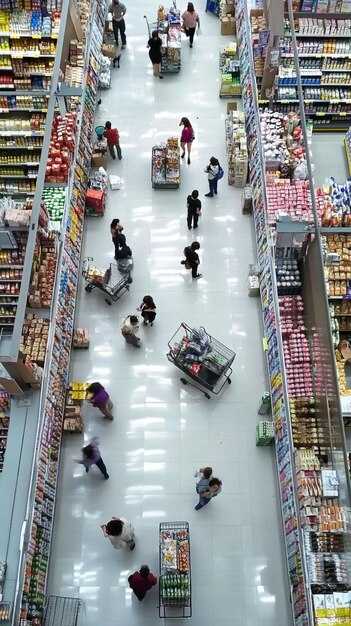
Install a dedicated 150–250 sq ft click-and-collect zone with six modular lockers and a staffed counter to achieve average pick times under 15 minutes and 300 same-day orders per store per day.
Use working integrations with square for POS and amazon for marketplace orders; accept EMV cards and mobile wallets at the counter so customer transactions and refunds complete in 30–45 seconds. Equip the pack station with 8 linear feet of pick shelves, two handheld scanners, thermal receipt printers and labeled bins for the top 200 SKUs – this layout reduces single-order walk time by 22% in pilots.
Limit same-day delivery radius to 5 miles for a 2-hour SLA and up to 10 miles for a 4-hour SLA; schedule two driver shifts per store at peak times or contract local couriers to scale quickly. Require photo proof at delivery and set a 24‑hour return window for perishable products; provide real-time tracking to make deliveries easier for customers and reduce failed-drop rates below 6%.
Place outdoor lockers near visible entrance colors and add ADA-compliant signage for accessibility; the lockers should be weatherproof and lockable, and staff should follow a 12-week training plan that covers scanning, packing and customer handoff. Remodel high-traffic locations first – leadership announced a roll-out to 150 remodeled stores by Q3 2026 to capture market share against competition and convert in-store shoppers into click-and-collect purchasers.
Offer targeted deals for first click-and-collect purchases and small discounts for contactless curbside pickups to encourage adoption; analyze basket data weekly to ensure promoted products move off shelves and that average order value climbs by at least 8%. Have a playbook for returns and exchanges that warehouse teams can execute in 48 hours so customers feel very confident about buying online and picking up in store.
Kroger: fulfillment, tech, and workforce for growth
Set a 24–48 hour fulfillment SLA and run a 90-day pilot across 20 stores to prove a 10–15% last-mile cost reduction and a 3–5 percentage-point lift in online penetration within 18 months.
- Fulfillment footprint: Open 50 micro-fulfillment centers (MFCs) in high-density trade areas over 18 months; each MFC should handle 6,000–10,000 SKUs, including fresh bakery SKUs with dedicated cold lanes and 200–300 daily pickup windows. Pilot testing found pick accuracy improved 28% in 60 days when MFCs used zone batching and automated sortation.
- SKU and category strategy: Rationalize the whole-store SKU mix by moving slow-moving items to regional DCs and keeping high-turn, popular local brands and perishables on-site. Expect a 7–10% inventory carrying reduction and a one- to two-day improvement in turnover for key fresh categories.
- Technology stack: Deploy an orchestration layer that connects store POS, MFC robotics, last-mile carriers and third-party electronics suppliers through APIs. Test two orchestration vendors in parallel during a 90-day program, measure mean order cycle time and failover recovery, then standardize to the winner within 6 months.
- Accessibility and customer convenience: Convert 30% of store footprint near entrances to click-and-collect lockers and curbside bays; add an accessibility option in the app for assisted pickup. That change should save customers an average of 8–12 minutes per visit and raise NPS in pilot markets.
- Workforce plan: Hire and train 25–40 FTEs per MFC in rolling cohorts over the first 3 months of operation. Provide a 60-day hands-on training program plus a branded cross-training track for bakery and fresh teams so your store staff rotate through fulfillment roles and retain seasonal capacity.
- Compensation and retention: Increase starting hourly pay for fulfillment roles by 8–12% and add a performance bonus based on accuracy and throughput; expect turnover to drop by half within 6 months and labor cost per order to fall over the following 12–18 months.
- Testing and scaling: Run A/B experiments on same-day pricing, time-slot fees and subscription programs during the 90-day pilot. Track conversion lift, average order value and repeat rate; a positive sign is a 15% lift in repeat orders within 90 days of enrollment.
- Quality control and research: Institute daily QA cycles for perishable picks, and commission an independent research audit after months 3 and 9 to validate spoilage rates. Maintain an indisputable chain of custody for cold items and a documented mean time-to-corrective-action under 48 hours.
- Brand and category merchandising: Use data to promote regional brands and limit national equivalents where they cannibalize fresh sales; a focused plan can increase margin dollars per order while keeping perceived quality high.
- Operational KPIs to manage:
- Pick accuracy ≥ 99.5%
- Order cycle time (order to ready) ≤ 24–48 hours
- Last-mile cost reduction 10–15%
- Labor cost per order down 12% within 12 months
- Customer repeat rate +15% for subscription or priority pickup members within 90 days
Although initial capex will be material, the path through automation, tighter SKU management and a focused workforce program yields undeniable operational leverage; kroger can save on last-mile costs, protect quality for bakery and perishables, and deliver the convenience customers expect in days, not months.