


 Nederlands
  English (UK)
  Русский
  العربية
  日本語
日本語  한국어
한국어  Magyar
  Türkçe
  Español
  Čeština
  Svenska
  Português
  Ελληνικά
  Suomi
Suomi  Română
  Italiano
  Français
  Polski
  Українська
  Deutsch
  简体中文
简体中文  Slovenčina
 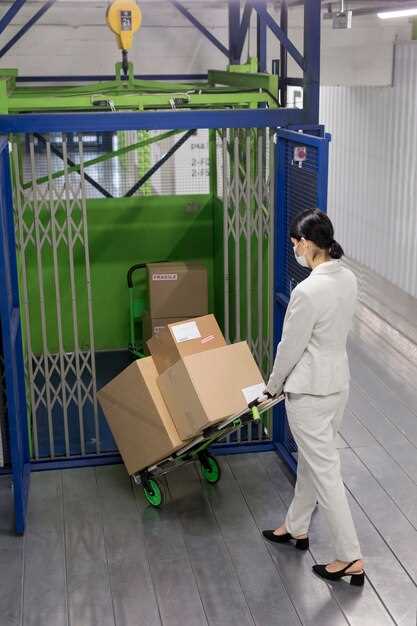 3PL Warehouse Safety – A New Standard with Autonomous Forklifts">

Implementeer deze systemen om hogere te behalen doorvoer en een lager risico bij de dagelijkse werkzaamheden. Deze machines verbeteren de cyclustijden en verminderen de blootstelling van mensen in gebieden met veel verkeer, waardoor een stabieler status voor uw teams.
Deze machines verkorten de cyclustijden met 15-40% bij typische palletverplaatsingen, omdat ze geoptimaliseerde routes volgen en menselijke blinde vlekken vermijden. Toch moet je deze beheren. beperkingen: perceptie bij natte vloeren, variaties in belasting en overdaad aan signalering. Stel een plan op inclusief ter plaatse training, speciale laadzones en duidelijke veiligheid. norm voor interacties met menselijk personeel.
Rol De kunst van leiderschap is om de workflow te definiëren, de product flow, en update status in uw WMS om de realtime locatie van goederen en machines weer te geven. Gebruik autónomas eenheden om de product van ontvangst tot opstelling, in opslag, en verder naar fulfillment terwijl mensen in het zicht blijven. Deze stappen voorzien flexibility en knelpunten verminderen.
Om de veiligheid te maximaliseren, combineer preventiestrategieën met training: dagelijkse checklists, visuele en auditieve aanwijzingen en supervisie tijdens testperiodes voordat volledig live wordt gegaan. Deze acties verlagen het aantal incidenten en tonen ROI binnen 6-12 maanden aan. Locaties die al met automatisering hebben geëxperimenteerd, rapporteren minder bijna-ongevallen en soepelere ploegwisselingen.
In regio's waar lokale voorschriften autonome operaties toestaan, begint u met een single gangpad of dok en weeg terwijl je de betrouwbaarheid controleert. De norm omvat een risicobeoordeling, bewegwijzering en speciale banen, zodat deze machines rechtstreeks naast mensen kunnen werken zonder dode zones. Integreer in het plan en stem af op uw fulfillment planning aan en houd de status Zeker, hier is de vertaling van de tekst naar het Nederlands:.
Wat zijn Autonome Vorkheftrucks? Praktische Gids voor 3PL Veiligheid
Implementeer een pilot in één zone met één magazijn voorafgaand aan de volledige uitrol om de betrouwbaarheid van sensoren, padnauwkeurigheid en veilige mens-robot interacties te valideren; gebruik de resultaten om procedures te verfijnen vóór een bredere implementatie.
Autonome vorkheftrucks zijn machineaangedreven trucks die door magazijnen navigeren zonder menselijke bestuurder, geleid door sensoren, mapping en automatiseringssoftware om materiaal efficiënt en met minimale handmatige input te verplaatsen. Ze opereren in gecontroleerde omgevingen en kunnen repetitieve taken verminderen, maar vereisen duidelijke veiligheidsregels en betrouwbare data om de prestaties in alle magazijnactiviteiten te behouden.
Om risico's te verminderen, hanteer gelaagde veiligheid: duidelijk gedefinieerde routes, fysieke barrières, geo-fencing en integratie van noodstops; implementeer automatische detectie van voetgangers en werknemers in de buurt. Zorg ervoor dat elk interactieplan wordt gedocumenteerd en geoefend, en neem een supervisor of waarnemer op wanneer vrachtwagens de ruimte delen met mensen in zones met veel verkeer om veilige operaties te handhaven. Gebruik continue feedback om snelheden, afstanden en stoptoleranties aan te passen, zodat de veiligheidsresultaten consistent verbeteren.
Operationeel ontwerp moet specificeren waar autonome trucks rijden: laadperrons, smalle gangpaden en ontvangstruimten, met diepgaande integratie met het warehouse management systeem om real-time taaktoewijzingen te ontvangen. Voeg extra sensoren toe, zoals LiDAR en camera's, om de omgevingsdekking uit te breiden, en stel drempels voor omgevingscondities in, zodat machines kunnen werken zonder plotselinge stilstand. Waar handmatige taken worden vervangen, zorg ervoor dat werknemers duidelijke taken, training en herstelmogelijkheden hebben, waarbij naleving en veiligheid de belangrijkste prioriteit blijven, terwijl verstoring van cruciale materiaalbehandelingsprocessen wordt vermeden.
De betrokkenheid van mensen blijft essentieel: train machinisten, supervisors en onderhoudspersoneel om de prestaties te monitoren, snelle inspecties uit te voeren en op waarschuwingen te reageren. Volg statistieken voor een grotere doorvoer, veiligheidsincidenten en de uptime van apparatuur om aan te tonen dat autonomatie waarde toevoegt zonder de veiligheid in gevaar te brengen. Behoud een plan om op te schalen in magazijnen, terwijl u werknemers beschermt en ervoor zorgt dat alle procedures consistent worden gevolgd, met een focus op milieubeheer en verantwoorde automatisering.
Autonome vorkheftrucktypes in 3PL
Implementeer een getrapt model met verschillende types autonome heftrucks, afgestemd op specifieke taken: autonome vorkheftrucks met contragewicht voor verplaatsingen van vloer naar pallet en autonome reachtrucks voor hoogbouwmagazijnen, te beginnen met een pilot in de ontvangsthal. Deze aanpak zorgt voor een consistente doorvoer en vermindert de blootstelling van werknemers aan zware tilwerkzaamheden. Om de veiligheid te waarborgen, brengt u de omgeving in kaart met real-time positionering, installeert u veiligheidszones en traint u personeel om samen te werken met de machines, zodat ze vooruitgang boeken met nieuwe processen.
Autonome vorkheftrucks met contragewicht (ACF) verzorgen het algemene pallettransport van dock naar staging. Ze bieden laadvermogens tot 1.400–1.800 kg, met snelheden van ongeveer 8–11 km/u. Ze vertrouwen op geavanceerde navigatiefuncties (LIDAR/SLAM) om routes te plannen en in realtime uitgelijnd te blijven met de gangpaden. In omgevingen met beperkte GPS-dekking werkt de navigatie-engine de kaarten continu bij, waardoor de unit vooruit kan zonder een slag te missen. Ze gaan consequent verder met de volgende pick- of put-away-stap, waardoor de doorvoer wordt versneld en de nauwkeurigheid wordt verbeterd.
Autonome reachtrucks (ART) bedienen hoogbouwmagazijnen waar de pallethoogtes de standaard gangpaden overschrijden. Ze vervoeren doorgaans ladingen van 1,5–2,5 ton en hebben een groter bereik om pallets van de bovenste niveaus te halen, waardoor de opslagdichtheid toeneemt en de loopafstanden voor operators worden verminderd. Hun smalle-gangen operatie past in gangpaden van 2,4-2,6 m en de units behouden de voorwaartse rijrichting om de taakvolgorde te vereenvoudigen. Real-time taakupdates houden de robot afgestemd op het pickvenster en verminderen de reistijd aanzienlijk.
Autonome pallettrucks (APJ's) blinken uit in line-side replenishment en orderpick-ondersteuning op grotere hoogtes, waarbij ze losse pallets verplaatsen met een laadvermogen van ongeveer 500–1000 kg. Ze zijn compact, eenvoudig in te zetten en vullen grotere eenheden aan door korte afstanden te overbruggen, laadperrons te bedienen en staging points te voorzien. APJ's bieden real-time feedback aan het WMS en kunnen langere bedrijfsuren mogelijk maken met geoptimaliseerd batterijbeheer, waardoor de handmatige handeling voor de werknemer wordt verminderd en de pickfrequenties worden verbeterd.
Over alle types verbeteren veiligheidsfuncties de veiligheid van de omgeving aanzienlijk: obstakeldetectie, snelheidslimieten die zich aanpassen aan voetgangerszones, automatisch remmen en geo-fencing. Ze bieden inzicht via dashboards en real-time waarschuwingen, waardoor supervisors kunnen ingrijpen als een workflow vastloopt. Aanzienlijke winst komt voort uit het coördineren van voorraadbewegingen in real-time met WMS en door het standaardiseren van taaktoewijzingen, zodat werknemers consequent duidelijke aanwijzingen ontvangen over de volgende stappen - van inkomende ontvangst tot uitgaande verzending - en van de automatiseringsstack in plaats van handmatige routes.
Begin met een gecontroleerde pilot in één zone, zoals het ontvangstplatform, voordat je opschaalt naar de hele faciliteit. Hanteer een datagestuurde aanpak: volg de doorvoer, nauwkeurigheid, verblijftijd en incidentfrequentie gedurende minstens twee weken, en pas vervolgens de toewijzing van ART versus ACF versus APJ aan. Zorg voor afstemming op het veiligheidsbeleid, de training van operators en onderhoudsperiodes. Het resultaat is een reductie van de handlingstijd op de langere termijn en een stabielere, voorspelbaardere flow die de groei ondersteunt van piekseizoenen tot stabiele activiteiten.
Sensoren en veilige navigatieprotocollen
Installeer een gelaagde sensorsuite en Veilige Navigatieprotocollen die onmiddellijk zonegebaseerde snelheidslimieten en geofencing instellen. In omgevingen met mensen op de werkvloer minimaliseert dit risico zonder de doorvoer op te offeren. De architectuur omvat redundantie zodat de activiteiten doorgaan wanneer een sensor even uitvalt, een functie die automatisering ondersteunt en veiligheid centraal stelt. Deze maatregelen maakten de warehousing veiliger voor werknemers en helpen hen zich te concentreren op taken met een hogere waarde, terwijl het de talentenpool in staat stelt om in capaciteit te groeien.
De sensorstack omvat LIDAR (bereik tot 40 m met een nauwkeurigheid van 2 cm), stereocamera's (1080p, 60 fps), ultrasone arrays (0,2–4 m) en inertiële/bewegingssensoren. Alle data voeden een fusion engine op edge hardware, die navigatiecommando's levert binnen 50 ms en valse positieven minimaliseert. Deze setup vermindert blinde vlekken in magazijnomgevingen en ondersteunt een veilige werking, zelfs in slecht verlichte gangpaden, zonder dat er uitgebreide wijzigingen in bestaande workflows nodig zijn.
De protocollen omvatten dynamische padplanning, voetgangersdetectie, snelheidsaanpassing en expliciete verboden zones rond laadperrons en drukke oversteekplaatsen. Het systeem gebruikt voorspellende modellen om menselijke bewegingen te anticiperen en routes in realtime te herplannen; deze regels worden in het hele netwerk geïmplementeerd, waardoor een uniforme veiligheidsbasis ontstaat die verder reikt dan één enkele faciliteit. Deze maatregelen, indien van kracht, zorgen ervoor dat werknemers en robots met vertrouwen dezelfde ruimte delen, en de besturingslogica omvat een duidelijke noodstopoptie.
Prestatiegegevens van piloten: in vijf faciliteiten daalde de botsingsfrequentie met 42% binnen zes maanden en namen de meldingen van bijna-ongevallen met 35% af. De uptime van sensoren overschreed 99,5%; de onderhoudsdowntime bleef onder 2%. De gegevens toonden aan dat de doorvoer met 12% steeg doordat routes stabiliseerden en taken overeenstemden met de doelstellingen voor arbeidsveiligheid. Dit bewijs ondersteunt het minimaliseren van risico's in de warehousing zonder in te boeten aan efficiëntie.
Implementatie- en trainingsplan: uitrollen in fasen, beginnend met een kernzone en uitbreidend naar volledige dekking van de locatie. Stel een cross-functioneel team samen – veiligheid, IT, operations – om sensoren, kaarten en regels af te stemmen; verzamel feedback van medewerkers en pas aan. Investeer in talentontwikkeling gericht op automatisering en arbeidsveiligheid, zodat teams automatiseringsmiddelen kunnen beheren en op waarschuwingen kunnen reageren. Deze aanpak houdt omgevingen veilig en helpt het personeelsbestand te groeien, waardoor veiligheidsinvesteringen meetbare resultaten opleveren in plaats van cosmetische veranderingen.
Regels voor de interactie tussen voetgangers en voertuigen in gedeelde gangpaden
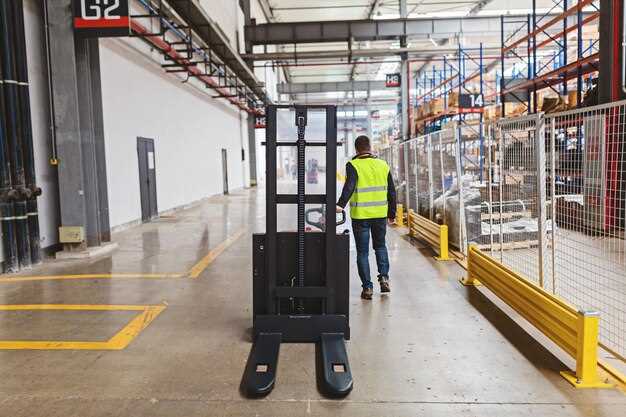
Handhaaf een vaste snelheidslimiet van 5 km/u in gedeelde gangpaden en verplicht voetgangers duidelijk gemarkeerde looproutes te gebruiken, waardoor ongevallen en het risico op letsel aanzienlijk worden verminderd.
- Installeer duidelijk gemarkeerde voetpaden en fysieke scheidingen om een brede, veilige corridor te creëren voor personen en apparatuur voor materiaalbehandeling, waardoor gevaarlijke interacties worden geminimaliseerd.
- Rust alle medewerkers uit met goed zichtbare persoonlijke beschermingsmiddelen en reflecterend materiaal, met lantaarnachtige richtingaanwijzers op vorkheftrucks om de detectie te verbeteren, zelfs tijdens shifts met weinig licht.
- Gebruik sensorgestuurde waarschuwingssystemen die hoorbare signalen activeren en commando's geven om te vertragen wanneer een voertuig een voetganger nadert, een oplossing die onmiddellijke feedback geeft zonder de werkzaamheden te onderbreken.
- Implementeer een gelaagd communicatieprotocol: oogcontact, handgebaren en vervolgens hoorbare waarschuwingen, om ervoor te zorgen dat voetgangers alert blijven en machinisten snel reageren.
- Stel coördinatieregels op voor shifts om drukte in zones met veel verkeer te voorkomen; spreid pauzes en materiaalbewegingen om piekophopingen te verminderen en knelpunten te vermijden.
- Ontwikkel een snelle incidentrespons: documenteer ongevallen of bijna-ongevallen, analyseer de hoofdoorzaken en pas de maatregelen aan om herhaling te voorkomen, waardoor de gezondheidsbescherming voor alle werknemers wordt verhoogd.
- Ontwerp gangpaden met strategische breedtes en draaicirkels; wijs grote kruispunten toe voor het oversteken, zodat voertuigen geleidelijk kunnen vertragen in plaats van abrupt te stoppen.
- Integreer geautomatiseerde controles en een centraal systeemdashboard dat real-time escalatie naar supervisors mogelijk maakt bij overtreding van een regel, waardoor het toezicht wordt verbeterd zonder de kernactiviteiten te vertragen.
- Beschouw veiligheidstrainingen als een doorlopende investering: neem modules voor arbeidsveiligheid, interacties met autonome vorkheftrucks en oefeningen op die veelvoorkomende conflictsituaties in gedeelde gangpaden simuleren.
- Volg prestatiegegevens, zoals ongevallen, bijna-ongevallen en de tijd die nodig is om een gangpad vrij te maken, om verbetering te meten en veiligheidsnormen in de loop van de tijd te overtreffen.
Implementatieprotocollen: Zonemanagement en Taakplanning
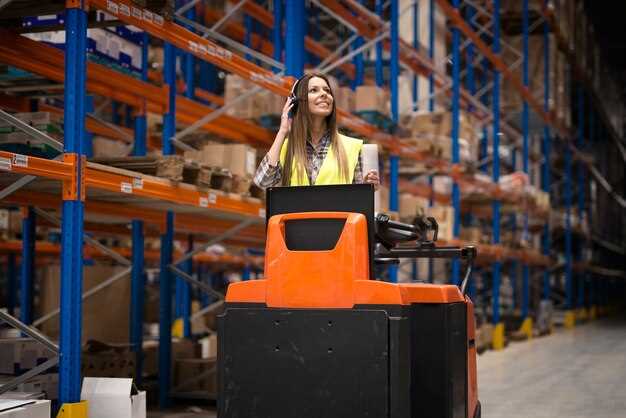
Definieer niet-overlappende zones en publiceer een realtime statusdashboard voor werknemers om conflicten tussen transport- en inventarisstromen te voorkomen. Koppel elke zone aan duidelijke toegangsregels, grensmarkeringen en op lidar gebaseerde randdetectie om veilige afstand te waarborgen. Dergelijke configuratie vermindert kruisend verkeer en ondersteunt vlotte operaties.
Configureer de taakplanner om werk toe te wijzen op basis van prioriteit en aflevervensters, terwijl de gereedheid van de zone, de batterijstatus en de inventarislocatie worden bevestigd. Geef een taak pas vrij als de zone vrij is, het voertuig voldoende is opgeladen en het pad vrij is van voetgangers. Deze opstelling maakt een soepelere doorvoer mogelijk en vermindert de stilstandtijd.
Integreer sensoren in een uniform systeem, waarbij lidar en camera's een live zonekaart voeden die bijgewerkt wordt wanneer de inventaris beweegt. Hier zien operators de real-time status en kunnen ze ingrijpen indien nodig. Deze zichtbaarheid helpt het bedrijf de workflow te optimaliseren en ondersteunt veiligheid en innovatie.
Gebruik automatiseringsroutines om routinecontroles, edge-case afhandeling en botsingsvermijding af te handelen. Controleer vóór elke release of het pad vrij is en het risico voor overstekende voetgangers minimaal is; zorg ervoor dat er een werknemer aanwezig is voor risicovolle zones. Implementeer een veiligheidsprotocol dat hoorbare en visuele waarschuwingen activeert en noodstops inschakelt als er anomalieën optreden. De status moet aangeven of een zone veilig is voor gebruik, waarbij kritieke secties duidelijk worden gemarkeerd.
Uitrolchecklist: selecteer een proefzone, stem af met de huidige activiteiten, train het personeel en vervang verouderde kaarten door het nieuwe zonemodel. Plan een gecontroleerde test, meet levertijden, inventarisnauwkeurigheid en veiligheidsincidenten; investeren in dit protocol levert meetbare verbeteringen op. Schaal pas op naar volledige implementatie als KPI's de doelstellingen halen en de status groen blijft.
Training, Onderhoud en Noodprocedures
Hanteer een formele, gestandaardiseerde trainingscyclus die theorie, praktijkoefeningen en scenario-gebaseerde simulaties combineert voor autonome vorkheftrucks. Start met 2 weken onboarding voor nieuwe operators en personeel dat betrokken is bij transportstromen, als eerste mijlpaal, gevolgd door driemaandelijkse opfriscursussen om vaardigheden up-to-date te houden. Volg de tijd tot competentie en voltooiingspercentages om ervoor te zorgen dat kritieke competenties worden behaald voordat de werkbanen live gaan, en doorloop onboarding, oefening en opfriscursussen.
De inhoud omvat hygiëneprotocollen, arbeidsveiligheid en veilige interacties tussen voetgangers en voertuigen rond zones voor materiaalbehandeling. Gebruik guiado-oefeningen en norma-ondersteunde richtlijnen, met actuele benchmarks van Deloitte om strategische doelen te stellen en verbeteringen mogelijk te maken. Er wordt niet gegokt met risico's; veiligheid is een gedeelde verantwoordelijkheid en er is geen ruimte om te gokken met risico's, door middel van voortdurende coaching en mogelijke aanpassingen.
Het onderhoudsplan werkt via dagelijkse controles van sensoren en veiligheidsfuncties, wekelijkse kalibratie van kritieke systemen, maandelijkse software-updates en driemaandelijkse voorspellende onderhoudsbeoordelingen. Houd een centraal systeem- en materiaallogboek bij om wijzigingen, vervangingen en kalibratiegeschiedenis bij te houden, waarbij ervoor wordt gezorgd dat de gegevens actueel zijn voor audits en onderzoeken.
Noodprocedures: definieer stopcommando's, veilige uitschakeling, lockout-tagout en evacuatieroutes. Installeer duidelijk zichtbare bewegwijzering en zorg voor snelle communicatie tussen de controlekamer en de teams op de werkvloer. Voer elk kwartaal oefeningen uit met realistische scenario's waarbij autonome vorkheftrucks en voetgangers betrokken zijn langs verkeerscorridors om de reactietijden en coördinatie te valideren.
Metrics en continue verbeteringen: bewaak MTBF, MTTR en incidentfrequenties; stel strategische doelen en faciliteer verbeteringen. Verbind resultaten aan gedane investeringen in training, sensoren en onderhoudsprogramma's om downtime te verminderen en operationele veerkracht te vergroten, waarbij wordt geïnvesteerd in doorlopende updates die de materiaalstroom en veiligheid binnen de huidige activiteiten ondersteunen.