


 Nederlands
  English (UK)
  Русский
  العربية
  日本語
日本語  한국어
한국어  Magyar
  Türkçe
  Español
  Čeština
  Svenska
  Português
  Ελληνικά
  Suomi
Suomi  Română
  Italiano
  Français
  Polski
  Українська
  Deutsch
  简体中文
简体中文  Slovenčina
 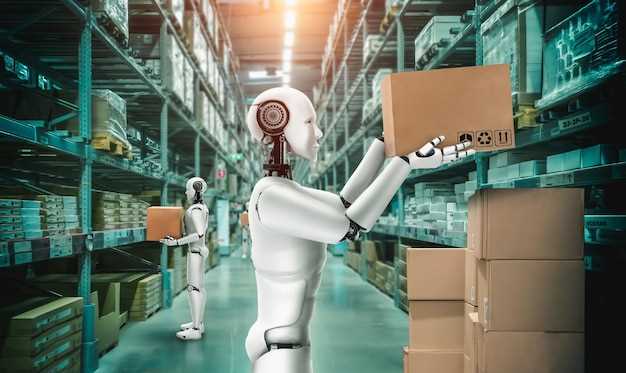 AI-gestuurde Autonome Robotica – Strategische Visies die de Toekomst van Supply Chains Vormgeven">

Implementeer AI-gestuurde autonome robots in bulkverwerkingslijnen om kostbare verzendvertragingen te minimaliseren en binnen enkele weken meetbare besparingen te realiseren. Industrieleiders kondigden proefprogramma's aan bij meerdere aanbieders, waarbij vroege resultaten een toename van de doorvoer van 15-25% en een reductie van de verwerkingsfouten van 5-12% lieten zien. Deze implementaties tonen een duidelijk pad voor schaalbare verbeteringen in order-to-delivery cycli.
Convergentie tussen AI-gedreven planning, autonome afhandeling en real-time zichtbaarheid herdefinieert de relatie tussen aanbieders en klanten. Die die hun ecosystemen – magazijnen, transportbedrijven en vervoerders – op elkaar afstemmen, zullen aanzienlijke voordelen behalen naarmate de gegevensstromen beslissingen versnellen en knelpunten verdwijnen.
Om te schalen, begunstig smaller, modulaire robots en plug-and-play automatiseringskits die zowel in de belangrijkste hubs als regionale knooppunten kunnen worden geïnstalleerd. Kleiner units de routine picking, replenishment en packing afhandelen, terwijl gecentraliseerde AI de routing en taaktoewijzing optimaliseert. Deze aanpak vermindert de initiële kapitaaluitgaven en versnelt de terugverdientijd, waardoor kostbare vertragingen in de hele keten worden geminimaliseerd.
Stel concrete KPI's vast: OTIF, dock-to-ship cyclustijd, en totale kostprijs per eenheid na lossing. Hanteer een gefaseerde uitrol: pilot in twee regio's gedurende 90 dagen, en schaal daarna op naar cross-chain operaties. Stel governance vast met duidelijke SLA's tussen leveranciers en retailers om incentives op elkaar af te stemmen, en bouw een datalaag die real-time dashboards en geautomatiseerde waarschuwingen voedt.
Kijk vooruit en investeer in voortdurende ontwikkelingen in AI, edge computing en roboticacoördinatie. Met gedisciplineerd bestuur en multidisciplinaire teams kunt u een besparing van 10-20% op de logistieke kosten en een verbetering van 2-5 punten in OTIF realiseren binnen het eerste jaar, met behoud van de service levels wereldwijd. chains en verzending rijstroken.
AI-gestuurde Autonome Robotica in Supply Chains: Strategische Visies en Praktische Implicaties
Implementeer de adoptie van AI-gestuurde autonome robotica in distributiecentra en -terreinen en voer een 12-maanden durende pilot uit in verschillende vestigingen met drones voor inventariscontroles en AMR-gebaseerd picken en dockbewegingen. Streef naar 20% doorvoerwinst, 15% energiebesparing en 12% emissiereductie in transport en laden. Bij het behalen van de doelstellingen, uitbreiden naar extra vestigingen en opschalen naar weggebonden operaties.
Strategische visies concentreren zich op modulaire architecturen, data-interoperabiliteit en beleidsgestuurde governance. Integreer naast traditionele systemen WMS en ERP om routing, laden en aanvulling over distributienetwerken te coördineren. De aanpak wordt aangedreven door edge AI in faciliteiten met cloud-backed analyses voor planning op langere termijn, en vertegenwoordigt een vermogen om zich aan te passen aan veranderingen in de vraag naar producten over verschillende locaties. Stem budgetten en doelstellingen af op csco's om waardecreatie en risicobeheersing te waarborgen. Deze creatie van workflows tussen faciliteiten maakt snelle implementatie mogelijk.
De praktische implicaties raken herstructurering van het personeelsbestand, veiligheidsprotocollen en databeheer. De adoptie van autonome robotica verandert de dagelijkse gang van zaken; operators verschuiven naar toezicht en het afhandelen van uitzonderingen. Integratie met beleid waarborgt de naleving van regelgeving en handhaaft privacy. Houd emissies en energieverbruik onder controle door het uitvoeren van energiebewuste routeplanning en selectie van materieel, naast veiligheidstraining.
De onderstaande tabel vertaalt visie in concrete acties, met meetgegevens en mijlpalen in distributienetwerken.
| Actiegebied | AI/Robotica-elementen | Impact & KPI's | Milestones |
|---|---|---|---|
| Voorraadbeheer | Drones met AI-visie; realtime voorraadcontroles | Voorraadnauwkeurigheid 99,5%; Doorvoer +20%; Cyclustijd -15%. | Pilot in 2 centra (Q1); Uitbreiding naar 4 centra (Q3) |
| Geautomatiseerd picken en sorteren | AMR's en collaboratieve robots; routebewust grijpen | Picknauwkeurigheid 99,81%; Ordercyclustijd -25%; OEE +12% | Uitrol naar 2 extra fabrieken (Q2) |
| Routeplanning & Dock Scheduling | AI-gestuurde routeoptimalisatie; dockbeheer | Dokvertraging -30%; Op tijd laden 95%; Emissies -10% | Pilot op 3 locaties (Q1); netwerkbreed tegen het einde van het jaar |
| Onderhoud & Veiligheid | Predictief onderhoud; sensornetwerken | MTTR -40%; Uptime +15%; Veiligheidsincidenten -50% | Onderhoudscontracten afsluiten; driemaandelijkse evaluaties |
De implementatie van dit programma vereist voortdurende governance, data van hoge kwaliteit en nauwe afstemming met leveranciers; de voortgang moet per kwartaal worden beoordeeld om afstemming op beleidsvereisten en cscos-doelstellingen te waarborgen en tegelijkertijd veranderingen in fabrieken en distributieroutes aan te passen.
Predictief Onderhoud en Uptime voor Magazijnrobots
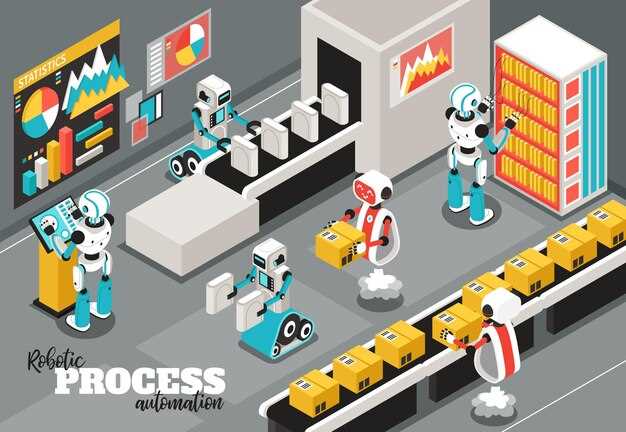
Implementeer real-time conditiebewaking en voorspellend onderhoud om ongeplande downtime binnen 90 dagen met 30% te verminderen, door specifieke triggers te gebruiken voor motorstroom, trillingen en temperatuur die automatisch serviceverzoeken en onderdeelbestellingen initiëren.
Hier, onder het oppervlak, voeden gegevens van lagers, tandwielen, batterijen en actuatoren onderzoeksmodellen die slijtage voorspellen, de resterende levensduur schatten en proactieve acties plannen.
Onderhoud omvat kalibratie, firmware-updates en ordelijke onderdeelvervanging; robots voeren autonoom zelfcontroles uit en streamen, tussen taken door, real-time signalen naar de centrale hub.
Om te schalen, verbind dit programma met het magazijnnetwerk en ga verder met de digitalisering van onderhoudsgegevens; uniformering met inventaris- en verzendsystemen stemt het onderhoud af op de actuele vraag.
Het omscholen van teams en accepteren van nieuwe onderhoudsperiodes zal adoptie versnellen en de afhankelijkheid van externe diensten verminderen, wat de chaos tijdens piekperiodes van verzending zal beperken.
Houd een live dashboard bij met specifieke KPI's – MTBF, stilstanduren, omloopsnelheid van reserveonderdelen en realtime waarschuwingen – om de afweging tussen uptime en kosten te sturen.
Hier is een concreet uitrolplan dat voortbouwt op reeds uitgevoerd werk: 10 pilootrobots uitrusten, drempelwaarden voor apparaatfamilies definiëren, een lichtgewicht ML-model implementeren, integreren met inventaris- en verzendworkflows, twee technici opleiden en de dekking van de vloot binnen zes maanden uitbreiden, wat de algehele uptime zal verbeteren.
Real-time routeoptimalisatie voor autonome fulfillmentsystemen
Implementeer een cloud-native real-time route engine die continu optimale routes herberekent naarmate bestellingen binnenkomen en voertuigen opnieuw toewijst om stilstand te verminderen en de druk op het netwerk te verlagen.
- Strategie en reikwijdte
- Starting parameters for real-time routing span multiple facilities, including pick zones, dock operations, and last-mile legs.
- Imperatives and demands shape constraints, targets, and escalation when routes conflict with safety or service levels.
- whats success looks like: value already visible in on-time performance and total cost, with clear milestones for management review.
- Include a call to action for the operations team to tune constraints as demands change and to capture feedback from workers.
- Architecture, data, and integration
- Adopt a cloud-native microservices stack that hosts the route engine, asset tracker, order management, and analytics, enabling independent scaling.
- Connect with order management, WMS, ERP, and traffic feeds to align routing with real-time stock, deadlines, and capacity.
- Provide real-time dashboards for management and field staff, with alerts and auditable trails that support compliance.
- Its design is paving the path to real-time decision-making across multiple facilities and fleets, also redefining how enterprises coordinate assets and people as part of a broader transformation.
- Also, ensure the architecture supports monitoring, tracing, and incident response for continuous improvement.
- Robot coordination, safety, and compliance
- Coordinate pick operations, AGVs, and drones with conflict-free routing while honoring battery status, charging windows, and safety rules.
- Use predictive signals to detect congestion and adjust routes before strain grows, reducing bottlenecks and wear on assets.
- Keep compliance and privacy considerations at the core; log route decisions for audit trails and to support ethical workforce management and transparency with employees.
- People, ethics, and workforce alignment
- Design routing to balance workloads across employees and robots, avoiding overburdening any single shift.
- Communicate changes clearly with employees and incorporate their feedback to improve acceptance and performance.
- Align with compliance requirements and labor standards, ensuring transparent reporting for regulators and unions where relevant.
- Measurement, rollout, and governance
- Track KPIs such as on-time rate, total route distance, vehicle utilization, route-change frequency, and efficiency gains to gauge impact.
- Start with a one-campus pilot, then scale to additional enterprises, refining models with each wave.
- Monitor the value created across orders and customers, using real-time signals to adjust strategy and maintain momentum.
Safety, Compliance, and Risk Management for AI-Driven Robotic Operations
Implement a centralized risk register and continuous compliance checks for AI robotic operations to ensure safety and regulatory alignment. Establish a robust safety-by-design program with hazard analysis, safety cases, and redundant controls across all plants. This approach makes risk decisions based on data, using real-time telemetry and auditable logs to guide actions.
- Governance and policy: Define clear roles (Safety Lead, Compliance Officer, Data Steward) and enforce a quarterly review cadence. Require approvals before adopting new AI modules, and provide operator training to recognize abnormal robot behavior. Use a 5-point risk rating for each deployment, reviewed by a cross-functional committee.
- Data integrity and источник of truth: Build a единственный источник of truth for sensor data, control logs, and analytics. Ensure tamper-evident logging, versioned datasets, and drift monitoring so that decisions reference accurate, auditable information. Use using analytics to detect anomalies and trigger automated safety interlocks when thresholds are exceeded.
- AI safety controls and human-in-the-loop: Deploy gradient autonomy with layered safety gates, offline safety monitors, and a mandatory human-in-the-loop for high-risk tasks. Ensure fully functional emergency stop (E-stop) circuits, power loss protection, and deterministic failover to safe states during abrupt fault conditions.
- Operational integration and compliance: Integrate safety checks into WMS/TMS and ERP workflows so that orders, stock levels, and delivered statuses drive robot behavior. Align cross-border operations with tariffs and export controls, documenting compliance steps for each regional plant and partner.
- Supply chain and logistics risk: For freight forward and warehousing activities, validate robot coordination with freight schedules, palletization constraints, and stock movements. Monitor throughput against target KPIs; track delivered dates and deviations to prevent cascading delays across facilities.
- Workforce readiness and operator competence: Provide simulation-based training, competency assessments, and periodic drills. Encourage operators to tailor safety rules for different equipment types across various plants, including smaller companys and larger networks, to reduce reliance on a single point of failure.
- Incident response and continuous learning: Maintain written playbooks for near-misses, safety incidents, and cyber-physical events. Conduct root-cause analyses within 48–72 hours, publish lessons learned, and revise controls to prevent recurrence. Use analytics to quantify risk reductions after each intervention.
- Metrics, auditing, and improvement: Track uptime, incident rate, drift frequency, and audit finding closure times. Target quarterly reductions in critical findings, with a minium of 99.5% device uptime and zero preventable safety breaches across all plants. Use these data points to optimize operating envelopes and reduce risk exposure for orders, stock, and delivered shipments.
Sensor Fusion and Decision-Making for Logistics Beyond Human Perception
Recommendation: Deploy a layered sensor fusion platform that ties data from RFID tags, vision cameras, load cells, temperature and humidity sensors, and GPS beacons into a single perception layer. This enables real-time, autonomous decisions on routing, storage, and replenishment, reducing manual toil and improving everything from visibility to reliability and keeping shelves well supplied. For smes, run edge inference on gateways to minimize latency and preserve data privacy; the system triggers a call to procurement when stock levels fall below a defined reorder point, ensuring everything delivered on time.
Sensor fusion reveals shortages across chains by correlating inbound ETAs, carrier performance, and supplier lead times, exposing gaps that ERP dashboards miss. Beneath the surface of siloed data, the model identifies major challenges such as demand spikes, supplier outages, and quality events, guiding preemptive actions in warehouses and at supplier sites to keep goods moving toward market.
The decision engine uses probabilistic fusion to decide actions: reroute shipments, switch suppliers, adjust reorder quantities, and allocate warehouse space. Each signal–stock on hand, consumption rate, weather, dock congestion, and quality alerts–will be weighed with dynamic weights, and dominant signals will outweigh noise to deliver reliable choices. The system prioritizes compliance with vendor agreements and customer promises, reducing manual callouts to operators.
Impact indicators from a pilot in two warehouses serving a pacific market show significant gains: forecast quality improved by about 15-25%, stockouts fell 30-40%, and expediting costs declined by 10-25%. Inventory turns improved, supplier compliance strengthened, and delivered reliability moved toward predictability. Integrations with baxa accelerate deployment by aligning ERP, WMS, and TMS data streams while maintaining security and data lineage.
Implementation blueprint: start with a lightweight fusion layer, connect to procurement and supplier systems, calibrate sensors, and set guardrails for safety. Build a pilot in two warehouses within the pacific region to establish momentum; extend to more sites as results solidify. Track KPIs such as fill rate, reorder accuracy, lead-time variance, and total cost of ownership to guide expansion across sme segments and larger chains, ensuring major gains for business and supplier performance alike.
Human–Robot Collaboration and Workforce Transformation in Modern Distribution

Adopt integrated automation platforms that connect workers with assistive machines, supported by standardized communication protocols to minimise disruption during demand fluctuations.
Establish real-time data flows and cross-functional communication across the network so those on the floor can adapt to different tasks across multiple sites, reducing instability during demand shifts.
Implement a long-term training plan that evaluates skill gaps and delivers structured upskilling and cross-training, enabling workers to handle higher-value activities and operate alongside automation-enabled workflows.
Define clear roles for humans and automation, set escalation paths, and leverage a portfolio of platforms to support task assignment, monitoring, and quality checks.
Measure impact with a multi-faceted evaluation framework that tracks throughput, accuracy, safety incidents, and employee engagement across different sites and times, enabling rapid adjustments and preventing backsliding.