


 Nederlands
  English (UK)
  Русский
  العربية
  日本語
日本語  한국어
한국어  Magyar
  Türkçe
  Español
  Čeština
  Svenska
  Português
  Ελληνικά
  Suomi
Suomi  Română
  Italiano
  Français
  Polski
  Українська
  Deutsch
  简体中文
简体中文  Slovenčina

Recommendation: Integrate Roadie’s platform to deliver items to customers’ doorsteps within 24 hours, expanding Home Depot’s reach and freeing store space for in-store work.
In the initial pilots across six metro areas, Home Depot cut last-mile costs by about 15% and achieved on-time deliv in 92% of cases within the first week, with CSAT rising from 4.2 to 4.6 over a month. The approach relied on a larger network of drivers who can pick up and drop off directly at doorsteps, reducing in-store congestion and enabling more flexible scheduling during peak week. walmart ran a similar pilot with gains in last-mile speed, reinforcing the model’s scalability across firms that juggle home delivery needs.
How the platform adds value: Roadie taps a national network of drivers who extend coverage to doorsteps that stores alone can’t reach, turning small items into deliv opportunities rather than backlogs. The system routes orders to the closest drivers, enabling faster service and reducing the space constraint of crowded aisles. For items that fit under 75 pounds and travel within 50 miles, the approach can replace a portion of store pickup with home delivery, giving customers a better sense of progress and convenience while letting staff focus on larger, more complex work.
Implementation playbook for week 1-4: define routing thresholds (order weight, distance), configure SLAs (on-time deliv) and notifications, align with order management to reroute eligible orders automatically, and train drivers on home-access rules. Establish a clear customer-communication template to keep people informed and reduce phone calls. Track metrics such as on-time deliv rate, average delivery time, cost per deliv, and rate of successful deliveries, with weekly reviews to adjust the model and grow the number of doorsteps covered.
The result is a practical shift from purely space-driven constraints to a connected road network that teams can rely on. Teams see stories from customers who appreciate the speed and reliability, and the business gains a more resilient, week-by-week delivery engine. By leaning into Roadie’s platform, Home Depot can scale without compromising safety or control, helping to meet rising demand while keeping costs in check and home improvements moving forward.
Home Depot backs Roadie: A Crowdsourced Delivery Startup – Practical Guide
Recommendation: launch a 12-week pilot in three urban markets to move loads via Roadie, measure time-to-destination, and verify profitable margins.
- Pilot scope: near depots in strategic CBD and suburban corridors; target loads from the depot that feed same-day and next-day delivery needs, with emphasis on heavy DIY items and accessory kits; also include only the items that fit Roadie’s last-mile model.
- Operational setup: assign road drivers for last mile to destination; consolidate trips to maximize space and load efficiency; coordinate with the store chain and suppliers to align on timing and inventory needs.
- Metrics and targets: track loads per week, deliveries per driver, on-time rate, cost per mile, and gross margin; aim to exceed the profitable threshold; Using Roadie means faster fulfillment and fewer touchpoints for customers; Monitor supply fluctuations and adjust capacity to avoid gaps; provide stakeholders with a clear sense of progress.
- Data and tech: Using Roadie’s app, integrate Home Depot’s order feed for just-in-time visibility; provide real-time updates to customers; these data help adjust routing and expectations while giving a sense of certainty for store teams and shoppers.
- Partnership network: include Walmart and other suppliers; these larger partners add volume and reduce per-delivery cost, improving the game for everyone and expanding the network beyond the initial three markets; their involvement reinforces the case for scale across the chain.
- Risk and compliance: insurance coverage, driver safety training, theft protection, and contingency routing for weather or traffic; establish clear escalation paths so issues don’t derail schedules.
- Scale plan: if the week-by-week results look solid, expand to more stores and larger items; this could bring a million dollars in annual revenue and more loads handled by the same network; Home Depot has said the plan has potential to reshape shopper experience across the chain.
Implementation steps
- Map lanes and define which items qualify for Roadie delivery; set space constraints and packaging standards so items stay secure in transport; ensure items are tested for durability in the road environment.
- Onboard drivers and set incentives tied to on-time delivery and customer feedback; establish a help channel for issues to keep flow smooth and responsive.
- Integrate IT feeds and test end-to-end visibility; ensure near real-time updates for staff and customers alike.
- Run the 12-week pilot, review weekly results, share learnings with stakeholders, and adjust the plan with the roadmap to broader deployment.
Outcome guidance: if the data show a faster, cheaper, and more reliable option than traditional courier means, Home Depot can scale quickly; those stories from pilots translate into a stronger bid with suppliers and store managers. If results are more profitable than current options, the initiative becomes a strategic lever for growth across the chain.
Roadie-Powered Home Depot Delivery: Actionable Plan for Retail Partnerships
Launch a 12-week pilot in 40 stores to test Roadie deliv from depot to doorsteps, moving loads with 2-hour windows, real-time tracking, and a plan to beat current delivery speeds for top SKUs.
Assign a single platform owner in each region, route orders to Roadie drivers, and reserve depot space for pickup. Said by the ops lead, this plan keeps hustling teams aligned with their work and supports the approach that relies on store associates. Set SLA targets, standardize pickup windows, and publish week KPIs to monitor performance.
Prioritize loads that deliver value to customers, especially bulky or high-turnover items. Use near-destination routing to reduce time and maximize people on the road. This approach reduces miles near peak hours and keeps drivers productive. These steps help startups as well as firms to realize more revenue, and the supply side avoids bottlenecks at the depot to keep customers happy.
Track latest week performance, forecast throughput, and estimate potential million in incremental revenue if we scale to 100 stores. If needed, add more drivers and space to handle peak loads, while maintaining service levels beyond the same benchmarks achieved by other firms.
Customer experience improves with proactive status updates, doorstep delivery, flexible windows, and a simple returns process. The platform supports both direct-to-consumer and B2B orders, helping supply to customers even when items are scarce in stores.
Partner with walmart and other firms on a phased rollout using the Roadie platform, with a focus on depot-to-doorstep efficiency, destination-specific routing, and a scalable model that works for people in stores as well as for home deliveries. These pilots will create mutual value by reducing costs, increasing loads moved, and boosting customer satisfaction. This keeps the game competitive against incumbents.
What Roadie is and how the crowdsourced model works for Home Depot
Adopt Roadie for time-critical deliveries from Home Depot: run a one-week pilot in six major markets, focusing on loads that require fast service to customers in nearby cities. This approach can boost customer satisfaction and reduce last-mile costs, while those drivers on the platform gain flexible work and steady loads.
Roadie is a crowdsourced platform that connects drivers with retailers to move items from depot to home. Drivers use their own vehicles and hit the road to pick up tasks posted by Home Depot, which details pickup locations, time windows, and routing needs. The supply side expands instantly in dense markets, letting the chain of deliveries scale without fixed fleets.
For Home Depot, stores act as a depot hub. Roadie posts delivery jobs with pickup windows; drivers claim tasks that fit their routes, then complete the deliv to customers with real-time updates from the app. A Home Depot spokesperson said the model extends reach without tying up store space.
Customers experience faster, more predictable delivery windows, and the platform can be more profitable than traditional options in many markets. The approach also helps shrink last-mile costs in dense cities and near suburbs, while those drivers have clearer guidance and steady loads. This is not the only path for Home Depot to move goods; combining Roadie with traditional fleets can maximize coverage.
Stories from those hustling on the platform show how a single route in a city can serve multiple loads in a day. These stories highlight how drivers balance time, fuel, and routing, turning a chunk of the day into steady work. walmart backing signals scale, and the Home Depot tie-in adds credibility and reach that also helps other firms explore similar crowdsourced models.
Metrics to watch include time-to-delivery, on-time rate, cost per mile, and driver utilization. The best practice is to set city-specific SLAs, maintain chain-of-custody, and require drivers to present proof of delivery at hand-off. This reduces deliv risk and strengthens customer trust, while also giving managers a clear sense of performance and return on effort.
Those benefits show Roadie as a flexible extension of Home Depot’s supply chain: more cities, faster turnaround for many items, and stronger service for customers who want quick options and predictable windows. The game here favors speed, reliability, and scalable loads with drivers who hustle to deliver, making Roadie a valuable complement to depot-based logistics.
Impact on suppliers and customers from Home Depot’s backing
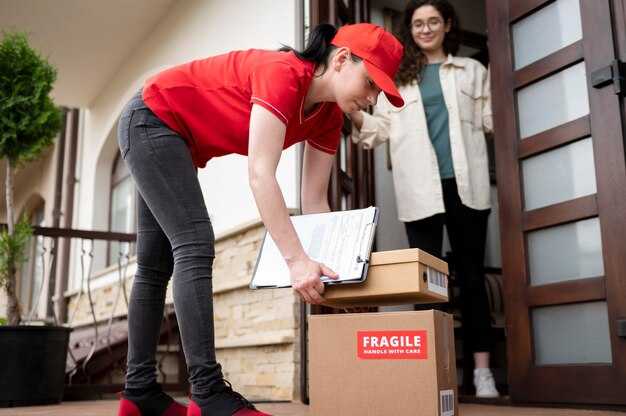
Adopt a tiered supplier onboarding plan that prioritizes needed SKUs and near-depot pickups to cut delivery times and lift shelf availability for customers.
Suppliers gain from more predictable loads and faster cash flow. In the latest quarter, partner count grew from 380 to 1,300 active suppliers, moving over 2.5 million loads through Roadie’s platform. By coordinating pickups at depot hubs and lining up fixed delivery windows, deliveries shift from 72 hours to 24–48 hours for core categories. These changes reduce stockouts at stores and increase product availability at doorsteps for customers. Stories from steady vendors show smaller players moving items from regional hubs to destination addresses with less manual work, enabling these suppliers to plan better and have more margin for pricing, while serving local markets. This changes the game for suppliers by delivering faster feedback and flexible capacity, boosting overall throughput across these networks.
Customers benefit from speed, visibility, and options. In the latest data, about 40% of orders now ship from stores within 20 miles of the destination, expanding reach to more customers, especially in suburbs and towns near urban centers. Average delivery time for last-mile runs drops to under 48 hours in most markets, and about 15% of orders arrive the same day in pilot cities. The platform provides real-time updates, transparent ETA, and smooth communication, helping people track shipments from depot to doorstep. These improvements also raise trust and satisfaction, with more than a million customers using Roadie-enabled routes and reporting repeat visits. Walmart has similar pilots in play, and Home Depot’s backing gives these efforts a head start in near-term delivery, keeping items moving to destination faster.
Platform and execution tips for suppliers and stores: set clear SLAs, require standardized packaging, and build a shared dashboard so suppliers see live status from pickup at the depot to destination. Align incentives for drivers to prioritize high-demand items, and use routing loads to balance supply across regions. Also, track metrics like on-time delivery, failed pickups, and average dwell time; share the insights with suppliers to help them plan more effectively. These actions sustain growth and keep costs predictable while expanding the number of customers reached, especially in high-traffic corridors near major depots.
Bottom line: backing from Home Depot accelerates the cadence of delivery for these startups, and the impact on suppliers and customers centers on faster, more reliable service with a broader reach; the latest data show loads moving more efficiently with a platform that connects people, depots, and destinations in a tight loop. This makes it easier for suppliers to reach new markets and helps customers discover items they need at doorsteps and in-store pickup options, too. The same approach could be extended to other big-box players, including Walmart, to create a more resilient, near-term delivery network where millions of items reach destination faster and with fewer trips to stores for customers, who appreciate reliable service and straightforward checkout.
Pricing, costs, and anticipated ROI for retailers
Recommendation: Set a two-tier pricing model with a small platform fee per delivery plus a distance-based charge, and pilot an Express option for faster destination deliveries. Start the test in 3-5 cities near a depot, especially where customers expect quick service. This gives startups and larger chains a predictable cost base, also enabling finance teams to forecast cash flow, while road drivers hustling and driving to doorsteps. Use this model only as a starter and refine it as you gather actual delivery patterns.
De prijs is opgebouwd uit een basisplatformvergoeding, een prijs per mijl en optionele Express-toeslagen. Een praktisch beginpunt: basis $2.50-3.50 per levering, plus $0.60-0.90 per mijl; Express voegt toe $3-6 afhankelijk van afstand en leveringsperiode. Deze cijfers variëren afhankelijk van de stadsdichtheid, de ruimte rondom de winkels en de afstand tot de bestemming; Walmart en andere ketenpartners beginnen vaak met een kleinere footprint en breiden uit naarmate het volume toeneemt. Dit kader functioneert als een pilot, niet als een universele regel, en moet worden aangepast aan elke markt om de lokale vraag te weerspiegelen.
ROI wordt gestimuleerd door lagere last-mile kosten, een hogere leverbetrouwbaarheid en een verbeterde klantbetrokkenheid. Deze resultaten manifesteren zich als een 18-28% besparing op de kosten van de laatste kilometer ten opzichte van traditionele vervoerders, plus een 1-3% lift in winkelwagenconversie en bescheiden stijgingen in de gemiddelde bestelwaarde wanneer snelheid belangrijk is. Voor een middelgrote retailer die ongeveer 10.000 bestellingen per maand, jaarlijkse besparingen oplopen tot $300k-$500k, waarbij onboarding wordt terugbetaald in 6-12 maanden. Operators gaven aan dat ze betere stiptheid en minder gemiste leveringen zagen, waarbij klanten verhalen deelden over leveringen die voor de deur arriveerden in stedelijke weggebieden. Het wegennet en een actieve pool van chauffeurs in deze steden maken de uitkomst ook herhaalbaar voor grotere ketens. Voor chauffeurs en mensen die hard werken om te verdienen, creëert dit voorspelbare werkpatronen.
Om de ROI te optimaliseren, voer een proefperiode van 90 dagen uit in 3-5 steden met een mix van dichtheid en een mix van bestemmingstypen (huis-, zakelijke en depotafhalingen). Houd het percentage op tijd, de naleving van het bezorgvenster en de retourpercentages bij, plus feedback van klanten. Gebruik die metrics om de tariefkaart af te stemmen en Express-vensters aan te passen. Integreer met winkelsystemen zodat chauffeurs de juiste bestemming zien en het personeel de ruimte en afhaling bij het depot kan beheren. Meet de kosten per bezorging, de snelheid van de orderafhandeling en de participatie van chauffeurs, vooral tijdens piekuren.
Integratie van Roadie met de systemen en workflows van Home Depot
Implementeer een uniforme API gateway die Roadie verbindt met het orderbeheer en ERP van Home Depot om real-time statusupdates in de hele keten mogelijk te maken, snellere besluitvormingscycli te stimuleren en ook aan te sluiten bij de nieuwste standaarden die deze systemen vereisen.
Map data van deze systemen naar één platform, waardoor die teams in het depot en de winkels de bevoorrading en levering efficiënter kunnen coördineren. Deze aanpak zorgt ervoor dat Roadie en Home Depot op elkaar zijn afgestemd qua workflows, waardoor duplicaten worden verminderd en de zichtbaarheid voor beide partijen in elke stap van het proces wordt vergroot.
Hanteer een event-driven aanpak met webhooks voor belangrijke gebeurtenissen: orderCreated, picked, inTransit, delivered. Dit helpt klanten om de voortgang tot aan hun voordeur te volgen en zorgt ervoor dat chauffeurs haast maken om de targets van dezelfde week te halen, terwijl het platform voortdurend updates levert om vertragingen te minimaliseren.
Voer een proefproject van een week uit in nabijgelegen markten met een handvol depots. Betrek deze bedrijven en startups binnen het partnernetwerk om SLA's, gegevensnauwkeurigheid en de volledige ervaring te valideren, vooral voor omvangrijke producten voor woningverbetering met strakke deadlines.
Beveiliging en governance staan centraal: dwing OAuth 2.0, RBAC en tokenrotatie af en stel duidelijke regels op voor het bewaren van gegevens. Verzamel en analyseer wekelijks een miljoen datapunten om routering, chauffeurstoewijzingen en leveringsvensters te verfijnen zonder gevoelige details aan klanten of personeel te onthullen.
| Step | Owner | SLA | Opmerkingen |
|---|---|---|---|
| Data model afstemming | Platform & IT | 2 weken | Koppel SKU's, locaties en Roadie-chauffeursprofielen aan Home Depot-systemen; zorg voor dekking nabij het depot voor huis-aan-huis bezorgingen. |
| API-eindpunten en webhooks | Integratie & DevOps | 1 week | Maak endpoints voor orderCreated, picked, inTransit, delivered; koppel aan de nieuwste ERP-events |
| Routeplanning en chauffeursindeling | Ops & Roadie | 3 weken | Maak naadloze driver matching mogelijk vanuit het grotere Roadie-netwerk; prioriteer items die naar deurlevering worden verzonden. |
| Beveiliging & toegangsbeheer | Beveiliging & Compliance | Ongoing | Implementeer RBAC, audittrails en tokenbeleid; beperk de toegang tot data tot de benodigde teams |
| Pilot implementatie & monitoring | PM & Analytics | 4 weken | Test in 2–3 regio's; volg tijdige levering, chauffeurgebruik en updates zichtbaar voor de klant. |
Kwaliteitscontrole, compliance en risicobeheer bij crowddelivery
Implementeer een gestandaardiseerd, controleerbaar kwaliteitscontroleprotocol over het hele platform: verplichte identiteitsvalidatie, voertuiginspecties en een leveringschecklist voor elke pick-up en drop-off. Just-in-time controles moeten deel uitmaken van het protocol om problemen op te sporen voordat ze klanten beïnvloeden.
Creëer een risicomodel dat een score toekent aan elke levering op basis van rijgedrag, hotspots met veel verkeer in de buurt, tijdvensters, gevoeligheid van de bestemming en het aantal ladingen op dezelfde route. Deze scores helpen bij het prioriteren van handmatige controles in steden met een hoger risico, zodat de nodige acties worden uitgevoerd voordat er vertragingen optreden.
Het complianceprogramma omvat gegevensprivacy voor klanten, toestemming van chauffeurs, veilige verpakking en bewijs van levering aan de deur. Bewaar data in een beveiligde omgeving op het platform en beperk de toegang tot degenen die deze voor zakelijke doeleinden nodig hebben.
Bewaringsketen: bewaar de keten door gebruik te maken van foto's met tijdstempel, GPS-traceringen, ondertekende ontvangstbewijzen en controleerbare logboeken van ophaallocatie tot bestemming.
Laden en verificatie: standaard laadprocedures afdwingen, fraudebestendige verpakking en duidelijke etikettering; verifiëren dat de ladingen overeenkomen met de bestelling en de aantekeningen van de klant.
Stadsspecifieke controles: pas controles aan voor steden met strengere regels en intensiever toezicht; update richtlijnen per kwartaal om veranderingen in regelgeving weer te geven, gebruikmakend van openbare gegevens.
Operationeel toezicht: zet een toegewijd team in om gemelde gebeurtenissen te beoordelen; gebruik automatisering om deze gevallen te triëren en te escaleren indien nodig. Dit werk vereist focus en discipline, vooral voor managers die meerdere markten beheren.
Platformtransparantie: publiceer belangrijke meetgegevens over de leveringsprestaties aan klanten en startups; deel verhalen en lessen die verbeteringen stimuleren, vooral de laatste beleidswijzigingen, zoals analisten zeiden. Deze inzichten helpen die teams om zich sneller aan te passen.
Metrics: registreer incidenten per 1.000 leveringen, tijd tot oplossing, klanttevredenheid en herhaalde klachten; gebruik deze data om continue verbeteringen te stimuleren, wat zinvoller is dan wachten op problemen.
Roadmap: door te focussen op ketenintegriteit, risicocontroles en menselijk toezicht, kunnen startups en grotere platformen risico's verminderen en het ritme van leveringen in drukke steden en op de weg behouden.