


 Nederlands
  English (UK)
  Русский
  العربية
  日本語
日本語  한국어
한국어  Magyar
  Türkçe
  Español
  Čeština
  Svenska
  Português
  Ελληνικά
  Suomi
Suomi  Română
  Italiano
  Français
  Polski
  Українська
  Deutsch
  简体中文
简体中文  Slovenčina
 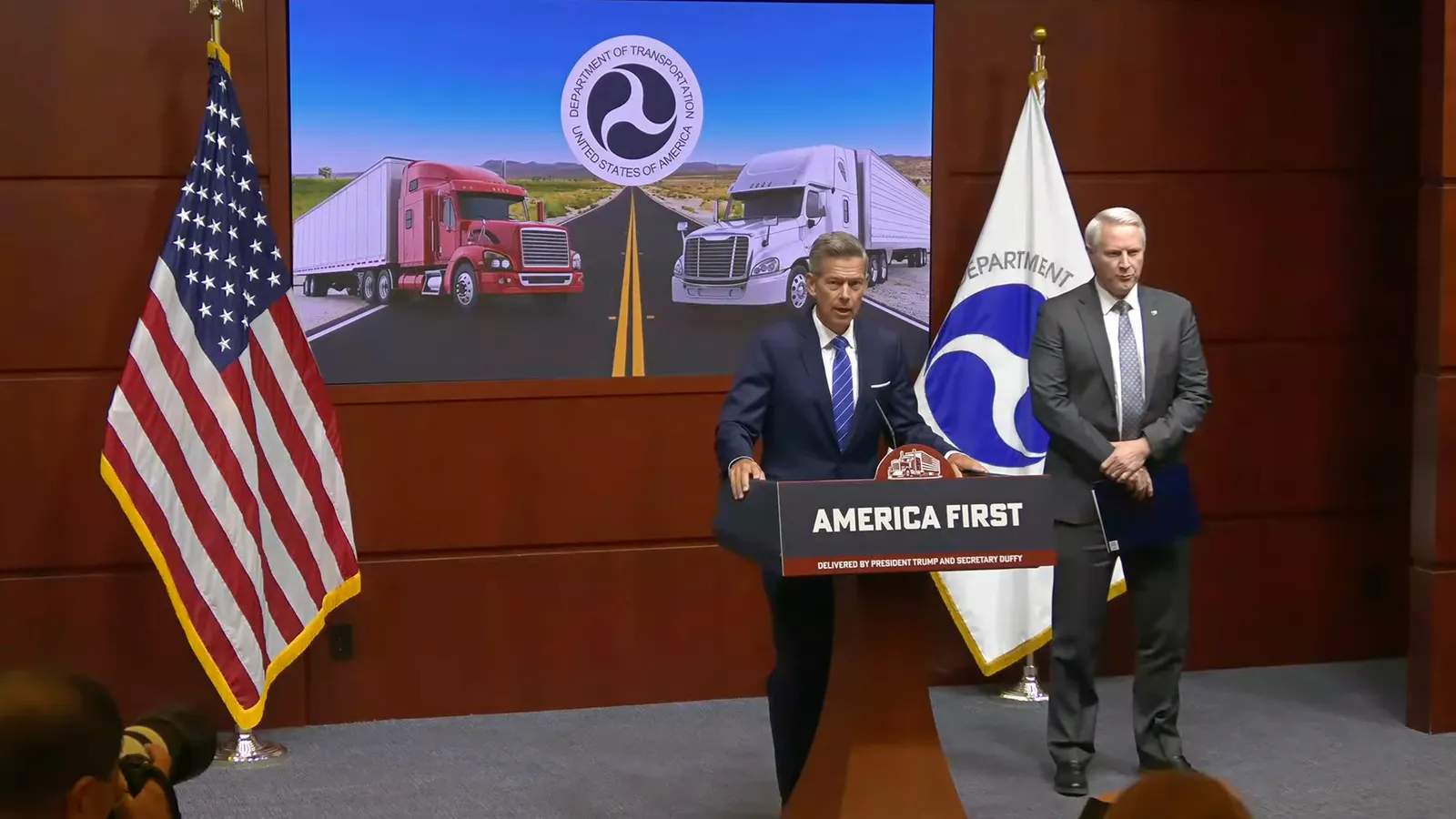 Belangrijke wettelijke en beleidsupdates in 2025 voor de transportsector met gevolgen voor vracht en veiligheid">

Introduction to 2025 Trucking Regulatory Changes
The trucking sector has undergone meaningful regulatory shifts in 2025, as new policies came into play targeting safety enhancements, emission reductions, and operational compliance. This overview highlights the critical changes that freight operators and logistics professionals need to be up to speed on.
Strengthening Safety and Compliance Standards
One of the most noticeable trends this year involves tightening safety rules, particularly through federal initiatives aimed at synchronizing state compliance regarding commercial driver licensing (CDLs) and permits. These measures focus on non-domiciled CDL holders, ensuring uniform standards across states for issuing and renewing these licenses.
Alongside CDL regulations, penalties for violations tied to English language proficiency have become stricter. This move has led some carriers to reevaluate their routes and staffing decisions to stay compliant with these language capability requirements, emphasizing effective communication in operations and safety management.
Table: Key Safety Regulation Updates in 2025
| Regulation Area | Verandering | Impact on Trucking Industry |
|---|---|---|
| CDL Issuance for Non-Domiciled Drivers | Standardized criteria for issuance and renewal | Enhanced interstate licensing consistency |
| English Proficiency Penalties | Tightened penalties for violations | Route readjustments and increased training |
Environmental Regulations and Emission Controls
In sync with global efforts to reduce transport emissions, 2025 has seen a push to modify emissions regulations for trucking fleets. While some constraints have relaxed, a deregulatory agenda battles alongside more stringent environmental rules, creating a mixed regulatory climate.
Specifically, emissions standards have been revisited, sometimes allowing more flexible compliance with federal benchmarks. This approach is driven partly by attempts to balance trucking efficiency with environmental responsibility, a challenging juggling act for logistics providers who must adapt their fleets to meet these shifting standards.
Speed Limiter Policies and Their Evolution
Another hot-button item this year was the adjustment of speed limiter requirements on commercial vehicles. The federal government has reconsidered some caps implemented previously, impacting fuel consumption and safety outcomes.
- Impact on Fuel Efficiency: Changes in speed limits can optimize or reduce fuel economy depending on implementation.
- Driver Safety: Different speed limiter thresholds affect the risk profile of long hauls and urban freight deliveries.
- Wagenparkbeheer: It challenges fleet operators to recalibrate operational policies.
Government Leadership and Policy Direction
The appointment of new leadership at the Federal Motor Carrier Safety Administration (FMCSA) has influenced the regulatory environment significantly. With a fresh head steering the agency, the administration’s deregulatory ambitions have taken root in wide-ranging policies, often counterbalanced by increased safety requirements from the Department of Transportation.
This approach signals a nuanced governance style aiming to streamline operations while not compromising public safety or environmental goals. For industry players, staying flexible and informed about these governing bodies’ shifts is vital to smooth freight and logistics operations.
Implications for the Logistics and Freight Sector
The trucking industry’s regulatory shifts reverberate far beyond just compliance checklists. They influence how logistics providers plan shipments, deploy drivers, and manage fleets on a global stage. For example, stricter language proficiency requirements may necessitate additional training investments or affect cross-border freight routing.
Moreover, emission rule adjustments directly impact fleet modernization choices and operating costs, adding another layer of complexity to cargo dispatch and haulage planning. Operators might need to weigh the costs of upgrading vehicles against fluctuating regulatory demands carefully.
Summary Table: 2025 Trucking Regulations and Logistics Impact
| Regulatory Focus | Effect on Logistics |
|---|---|
| CDL and Permit Compliance | More uniform driver qualification standards |
| Language Proficiency Penalties | Possible route revisions and training upgrades |
| Emission Regulations | Fleet adjustments and costs on environmental compliance |
| Speed Limiter Rules | Influences fuel economy and delivery speed settings |
The Road Ahead: Practical Considerations for Carriers and Shippers
When it comes to keeping a finger on the pulse of such evolving regulations, nothing beats firsthand experience. While industry reviews and expert opinions provide valuable insights, nothing compares to steering through the changes yourself on the ground.
Platformen zoals GetTransport.com empower freight and cargo companies with simplified access to diverse, affordable transport options that meet regulatory demands without blowing the budget. Whether moving office equipment, vehicles, or bulky cargo, leveraging a versatile international platform helps mitigate the logistics headache that comes with regulatory shifts.
Offering transparent pricing and wide-reaching network choices, such platforms give decision-makers a practical tool to optimize transportation while complying with current rules. This convenience and reliability empower informed planning that balances cost, compliance, and efficiency — truly the holy grail in freight forwarding today. Book your Ride at GetTransport.com.
Impact on Global Logistics and Final Thoughts
While the 2025 trucking regulatory updates carry a significant weight domestically, their global logistics impact is more subtle. However, these changes play a role in shaping how international freight and cargo dispatches are planned and executed, especially where cross-border trucking and forwarding are concerned.
GetTransport.com keeps pace with these shifts, ensuring users stay ahead by offering transportation solutions that align seamlessly with the newest compliance landscapes. Start planning your next delivery and secure your cargo with GetTransport.com.
Conclusie
The trucking industry in 2025 faces a blend of deregulatory pushes and new safety and environmental requirements that collectively reshape how carriers operate. From federally standardized CDL policies and tougher language requirements to revamped emissions standards and speed limiter adjustments, these changes require thoughtful attention from freight and logistics professionals.
Embracing such regulatory dynamics extends beyond legal obligation—it influences fleet investments, route decisions, and shipment timelines. The best approach is staying adaptable and informed, a principle that makes platforms like GetTransport.com invaluable. They offer reliable, cost-effective, and global transport solutions that simplify logistics challenges while meeting diverse cargo and freight needs in today’s fast-changing regulatory environment.