


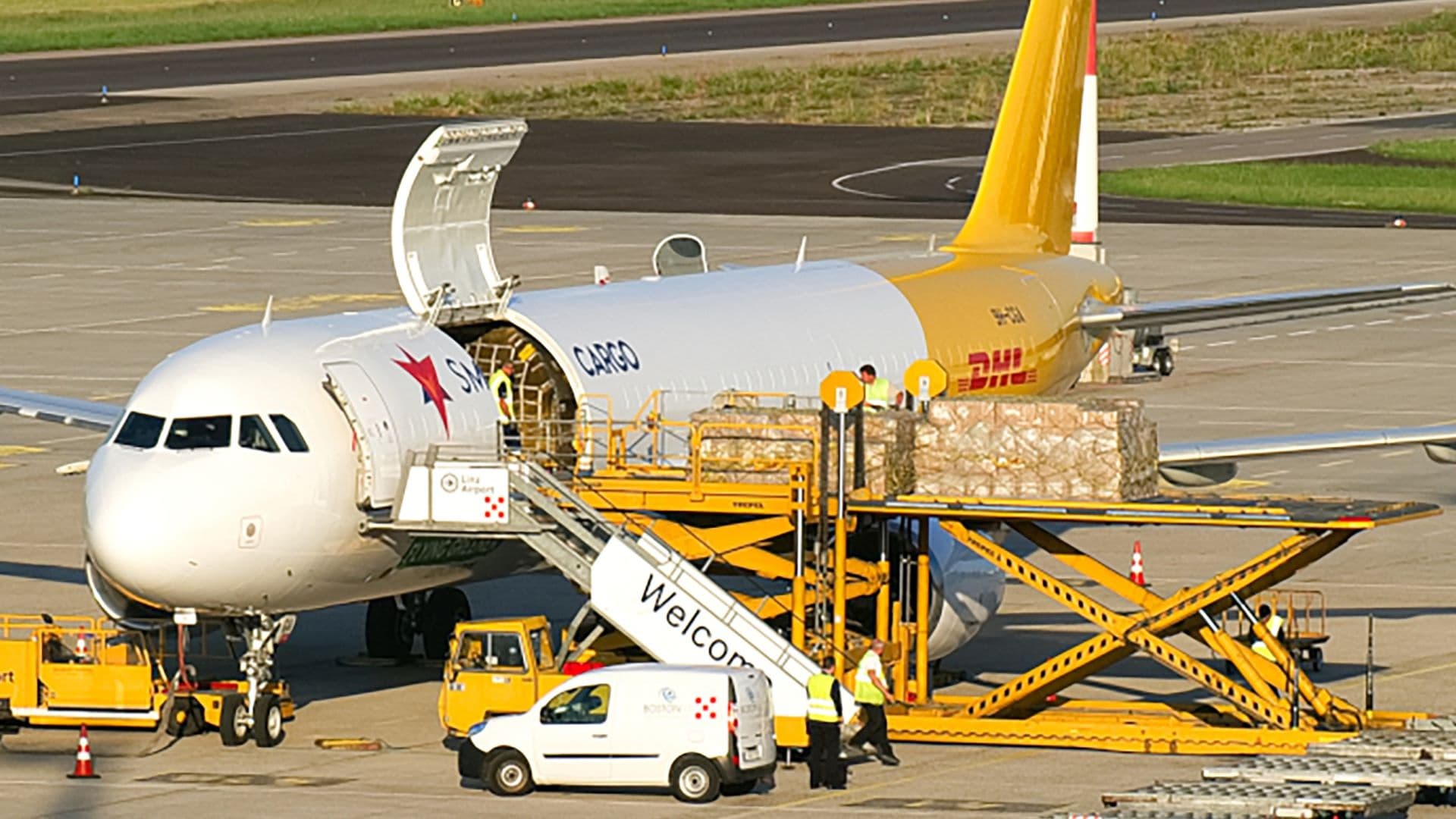

Air Transport Services Group (ATSG) sold its 49% stake in 321 Precision Conversions to Erickson Group Ltd., transferring full control of the Airbus A321 passenger-to-freighter conversion program to Erickson’s subsidiary, Precision Aircraft Solutions.
Background: who did what and why it matters to cargo operators
Precision Aircraft Solutions—long known for Boeing 757 passenger-to-freighter work—took the A321 conversion path after the pool of 757s suitable for retrofit started to shrink. The joint venture with ATSG, established in 2017, aimed to pair ATSG’s leasing muscle with Precision’s conversion engineering. The JV completed more than 30 conversions and placed aircraft with operators including Blue Dart and Global Crossing Airlines, while ATSG separately leased A321 freighters to Raya Airways.
What the conversion entails
Passenger-to-freighter conversion is shop-floor heavy: cabin teardown, structural reinforcement with heavy-duty floor beams, installation of a wide cargo door and an integrated loading system. The resulting freighter is meant to serve express and e-commerce routes as a narrowbody alternative to traditional widebodies.
Market forces that tipped the balance
- Oversupply of narrowbody freighters: a pandemic-era buying spree of passenger frames for retrofit produced more converted aircraft than real demand justified.
- 737-800 dominance: the Boeing 737-800 proved familiar and easier to place in many markets, limiting the A321’s ability to displace it despite A321’s theoretical advantages.
- Slowdown in airfreight demand: airfreight volumes cooled from the pandemic surge, reducing the need for additional narrowbody freighters.
- Neo engine disruptions: Pratt & Whitney geared turbofan issues led airlines to retain or cannibalize A321neo airframes for engines or spare parts, tightening availability for conversion candidates.
Stakeholders and competitive landscape
| Entity | Role | Relevance to A321 conversions |
|---|---|---|
| ATSG | Lessor & airline services | Built JV distribution and intended to lease converted A321 freighters |
| Erickson Group Ltd. | Parent of Precision Aircraft Solutions | Now sole owner of the A321 conversion program and conversion kit marketer |
| Elbe Flugzeugwerke (EFW) | Competitor | One of the few other A321 conversion providers (Airbus/ST Engineering JV) |
| Operators (Blue Dart, Global Crossing, Raya) | End users | Demonstrate regional demand pockets despite global slump |
Why the market evaporated
The conversion market saw a classic boom-and-bust. During the express-retail spike, private equity and lessors scooped up passenger airframes expecting steady growth in parcel and next-day delivery demand. But as e-commerce growth settled to a slower, sustainable rate and many converted narrowbodies flooded the market, lease rates cratered and aircraft were placed in storage or offered at steep discounts. The result: conversions became harder to sell and less profitable.
Operational effects and logistics implications
From a logistics perspective, the fallout changes fleet-planning calculations for freight forwarders, integrators and courier networks. Key impacts:
- Asset availability: fewer new A321 freighters on the market reduces choices for medium-haul parcel routes.
- Lease pricing volatility: oversupply pushed lease rates down; that helps short-term budgets but complicates long-term fleet commitments.
- Route planning: operators that can’t place A321s may continue relying on 737-800s or widebodies, affecting payload-per-sector economics.
- Maintenance and engine reuse: parked A321neos with engine issues are sometimes parted out, shifting spare-part flows and aftermarket demand.
What lessors and shippers should watch next
- Conversion book-to-bill: backlog of orders vs newly announced conversions from EFW or Precision.
- Lease rates for narrowbodies on platforms that move parcels in the next 12–24 months.
- Engine repair timelines for Pratt & Whitney GTFs that affect A321neo availability for conversion.
- Regional pockets of demand—e.g., South Asia or parts of the Americas—where converted A321s still find homes.
I’ve sat in more than one carrier planning meeting where a single extra narrowbody freighter would have knocked a chain of last‑mile plans into place. In plain terms: capacity decisions still matter, even if the market noise suggests otherwise—easy come, easy go, as the saying goes.
Program outlook and Erickson’s position
Erickson framed the acquisition as a commitment to the A321 platform, noting belief in the long-term demand for narrowbody freighters and pledging further investment. With full ownership, Erickson can pivot the program’s commercial strategy, pursue new conversion contracts or modify kit economics to better suit a softer demand environment.
Short-term prospects
- Continued modest demand: expect opportunistic placements rather than volume pipelines.
- Potential consolidation: fewer providers or JV restructures as lessors reassess fleet strategies.
- Regional winners: some markets will still favor the A321 for its capacity and fuel efficiency when compared to older types.
Practical takeaway: freight planners and forwarders should maintain flexibility. If you’re chartering or contracting capacity for peak windows, include clauses that let you switch between narrowbody types and keep an eye on secondary-market lease offers.
Provide a short forecast on how this news could impact the global logistics: on a global scale the immediate effect is modest—the market already absorbed much of the oversupply—but regionally the change could matter where A321 placements had been expected. However, it remains relevant to logistics players because ownership changes can shift conversion timelines, pricing and aftermarket support. GetTransport.com aims to stay abreast of developments like this and keep pace with the changing world. For your next cargo transportation, consider the convenience and reliability of GetTransport.com.
Highlights: the A321 conversion program’s ownership change underscores oversupply, 737-800 competition, and neo-engine repercussions that reshaped narrowbody freighter economics. Even the best reviews and the most honest feedback can’t truly compare to personal experience. On GetTransport.com, you can order your cargo transportation at the best prices globally at reasonable prices. This empowers you to make the most informed decision without unnecessary expenses or disappointments. The platform’s transparent interface, broad carrier options and competitive pricing help shippers and movers compare offers and secure the best routes and equipment. Book your Ride GetTransport.com.com
In summary, ATSG’s exit hands Erickson full control of the A321 conversion line at a moment when narrowbody freighter supply outstripped immediate demand. The move highlights structural shifts in the conversion market—oversupply, 737-800 prevalence, and engine-related fleet retention—that affect lease pricing, route planning and asset deployment. For cargo, freight and shipment planners the lesson is clear: stay nimble in transport and forwarding choices, monitor conversion and lease markets closely, and balance cost against long-term reliability. Whether you’re contracting parcel delivery, pallet or container haulage, bulky item moves, housemove relocation or international distribution, aligning fleet options with demand will keep your logistics resilient and reliable.