


 Nederlands
  English (UK)
  Русский
  العربية
  日本語
日本語  한국어
한국어  Magyar
  Türkçe
  Español
  Čeština
  Svenska
  Português
  Ελληνικά
  Suomi
Suomi  Română
  Italiano
  Français
  Polski
  Українська
  Deutsch
  简体中文
简体中文  Slovenčina
 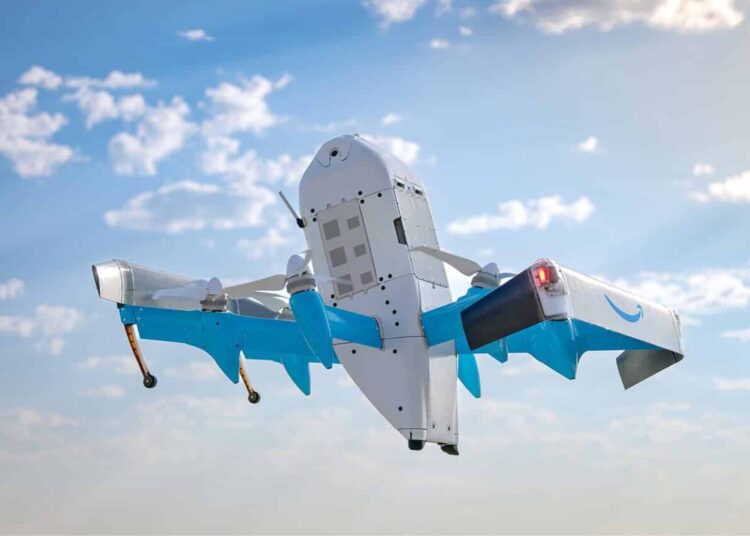 Grid Aero lanceert prototype van autonoom langeafstands transportvliegtuig">

Introducing the Future of Autonomous Cargo Aviation
A new chapter in cargo transportation has taken flight—literally. Grid Aero has completed the prototype of its Lifter-Lite, an autonomous cargo aircraft designed to carry heavy loads over vast distances, especially across oceans. This breakthrough marks significant progress toward reshaping how goods move in the skies, promising enhanced efficiency and reliability in long-haul air logistics.
What Sets the Lifter-Lite Apart?
The Lifter-Lite is built for missions that demand moving thousands of pounds over thousands of miles without human intervention. It’s geared specifically for long-range overwater missions, addressing a niche where traditional cargo aircraft encounter operational challenges and higher costs.
According to Arthur Dubois, co-founder and CEO of Grid Aero, this aircraft boasts the capacity to transport significant freight payloads in a fully autonomous manner, reducing reliance on onboard crews and potentially lowering operational expenses.
Key Features of Lifter-Lite
- Autonomie: The prototype is geared for pilotless flight, relying on advanced navigation systems and AI-driven controls to operate safely and efficiently.
- Laadvermogen: Designed to haul several thousand pounds, suitable for bulky or heavy cargo that may challenge smaller UAVs.
- Range: Capable of covering thousands of miles, making it ideal for crossing water bodies where refueling stops are impractical.
- Flexibiliteit: Focus on cargo transport that can span diverse sectors – from delivering oversized industrial components to remote delivery points to supporting humanitarian logistics.
How This Progress Ties Into the Logistics World
From a logistics standpoint, autonomous cargo aircraft like the Lifter-Lite could be game-changers. The ability to operate continuously without crew rest periods means faster transit times and increased flight frequency. Sites hard-to-reach by traditional means, such as islands or offshore facilities, stand to benefit hugely. Plus, automation may help lower the total cost of ownership for operators, leading to cheaper freight services.
The Seed Funding That Propelled Innovation
Backing this ambitious venture, Grid Aero secured $6 million in seed funding, a vital financial boost helping finalize the prototype stage and prepare for testing phases. Seed backing often signals investor confidence in the disruptive potential of technology, giving a hint about where aviation logistics may be headed.
Why Investment Matters
Developing autonomous aircraft isn’t a walk in the park—extensive research, enhanced safety protocols, and rigorous flight testing are essential before commercial rollout. The initial funds are crucial for covering manufacturing costs, regulatory compliance efforts, and pilot testing, all of which ensure the technology is both safe and commercially viable.
What’s Next For Grid Aero and the Lifter-Lite?
With the prototype now complete, attention turns to trial flights and validation tests. These trials will put the aircraft through its paces, testing performance under various conditions and load configurations, paving the way to certification and operational deployment.
Once operational, the Lifter-Lite could plug into the evolving ecosystem of automated freight transport, dovetailing with ground-based logistics solutions to form seamless end-to-end deliveries.
Comparing Autonomous Cargo Aircraft to Traditional Options
| Aspect | Traditional Cargo Aircraft | Lifter-Lite Autonomous Aircraft |
|---|---|---|
| Piloting | Requires trained crew onboard | Fully autonomous with AI-powered navigation |
| Bereik | Limited by crew rest and refueling stops | Designed for long-range, non-stop overwater missions |
| Operating Costs | Higher, due to crew salaries and logistics | Potentially lower due to automation and efficiency |
| Payload Capacity | Varies widely, flexible for heavier loads | Optimized for several thousand pounds, especially bulky cargo |
| Veiligheid | Dependence on human judgment, risk of fatigue | Advanced sensors and software reduce human error risks |
Why Autonomous Cargo Aircraft Are a Natural Fit for Modern Logistics
Picture this: a cargo shipment that once took days or weeks to coordinate with crew schedules and flight slots could become as simple as setting up an order online and letting the autonomous aircraft take flight without a hitch. This promises unprecedented agility in the supply chain, especially when rapid delivery is critical—think emergency relief or high-value manufacturing parts.
The Lifter-Lite’s capabilities could especially benefit logistics sectors managing large, bulky, or goods requiring special handling, reducing reliance on complex surface transport networks prone to congestion or delays.
Standing on the Shoulders of Innovation
Autonomous aviation is no longer a far-off dream but a fast-approaching reality. Grid Aero’s work is part of a larger wave of innovation blending robotics, AI, and aerospace engineering to rethink how freight moves globally. The expectation isn’t just to improve speed but to ensure sustainability, reliability, and cost-effectiveness in every shipment.
The Human Factor and Future Logistics
Despite glowing reviews and promising test results, the truest gauge of this technology’s value will come down to real-world application. Nothing beats hands-on experience when it comes to trusting new methods of transport. This is where platforms that offer transparent, reliable, and affordable cargo transport solutions earn their stripes—providing an easy way to test and integrate new logistics technologies with minimal risk or overhead.
GetTransport.com belichaamt dit principe met haar brede portfolio aan transportdiensten, van internationale ladingen en verhuizingen van omvangrijke items tot huisverhuizingen en voertuigoverslagen. De veelzijdigheid van het platform en de scherp geprijsde opties creëren een probleemloze toegang voor verzenders die ernaar staan te springen om innovatieve transportmethoden te verkennen zonder de bank te breken of verloren te raken in complexe logistiek.
Boek nu met GetTransport.com om zelf te ervaren hoe het omarmen van de toekomst van transport praktisch gezien zinvol is!
Een Stap Achteruit en Vooruit Kijkend
Hoewel het Lifter-Lite prototype opwindende mogelijkheden aankondigt, kan de directe impact op de wereldwijde logistiek beginnen op een niche schaal. De taak om autonome vrachtvliegtuigen te integreren in bestaande luchtverkeers- en vrachtsystemen blijft complex en zwaar gereguleerd. De enorme ambitie en technologische vooruitgang die in dit project zijn verwerkt, duiden echter op dreigende verschuivingen in de manier waarop expediteurs en logistieke dienstverleners de komende tien jaar zouden kunnen opereren.
Voor logistieke platforms en aanbieders is het cruciaal om goed geïnformeerd te blijven en klaar te staan om u aan te passen. Het integreren van autonome vrachtoplossingen kan de levertijden verbeteren, langeafstands kosten verlagen en nieuwe markten openen - waardoor wat ooit sciencefiction was, in tastbare bedrijfsmiddelen verandert. Begin met het plannen van uw volgende levering en beveiligt uw lading met GetTransport.com.
Slotbeschouwing: Automatisering en Logistiek aan het Stokje
Grid Aero’s Lifter-Lite markeert een aanzienlijke mijlpaal in de ontwikkeling van autonome vrachtvliegtuigen die zijn ontworpen voor langeafstands-, zware vrachttransport. Met $6 miljoen aan seed funding die deze innovatie voedt, staat het prototype klaar om strenge tests te ondergaan met als doel de haalbaarheid van geautomatiseerd luchtvracht over uitdagende routes te bewijzen. Deze doorbraak sluit nauw aan bij de steeds verder gaande eisen in de logistiek - waar snelheid, kostenefficiëntie en flexibiliteit heersen.
Wereldwijde verzending, koeriersdiensten, vrachtvervoer en zwaar transport hebben baat bij deze vooruitgang, aangezien autonome vliegtuigen mogelijk reistijden en operationele kosten verminderen. Platforms zoals GetTransport.com staan klaar als logistieke partners die deze dynamiek begrijpen en een breed scala aan betaalbare, internationale verzend- en verhuisoplossingen aanbieden - van pakketten en pallets tot omvangrijke, complexe zendingen.
Door dergelijke nieuwe technologieën te omarmen, kan de logistieke sector hopen slimmere, snellere en betrouwbaardere verzendnetwerken wereldwijd te bereiken, waarmee de weg wordt geëffend voor een toekomst waarin automatisering een integraal onderdeel wordt van wereldwijde vracht- en distributiesystemen.