


 Nederlands
  English (UK)
  Русский
  العربية
  日本語
日本語  한국어
한국어  Magyar
  Türkçe
  Español
  Čeština
  Svenska
  Português
  Ελληνικά
  Suomi
Suomi  Română
  Italiano
  Français
  Polski
  Українська
  Deutsch
  简体中文
简体中文  Slovenčina
 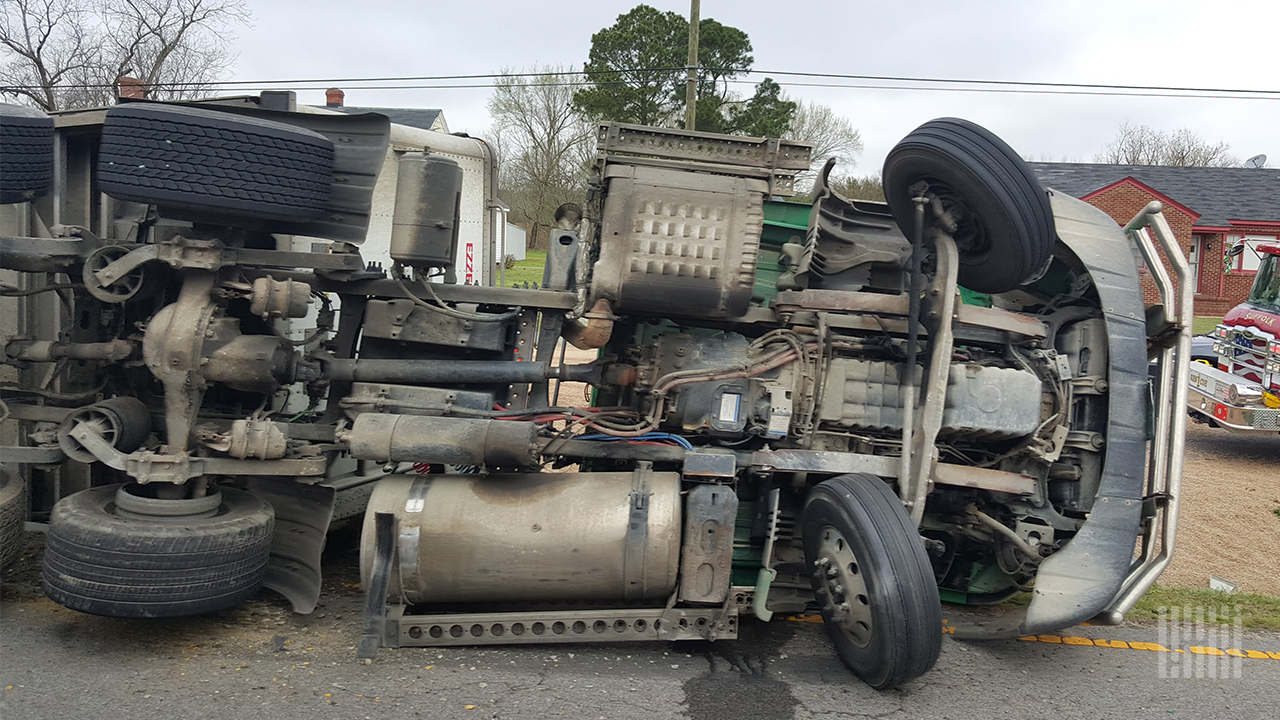 Het onderzoeken van de rol van de FAIR Trucking Act bij het aanpakken van juridische problemen in het commerciële transport">

Understanding the FAIR Trucking Act and Its Intent
The commercial trucking sector has been facing a turbulent wave of litigation, fueled by soaring jury awards and complex legal maneuvers. The FAIR Trucking Act (H.R. 5268) has been proposed to move certain highway accident cases involving large commercial trucks into federal courts, targeting those with damages exceeding $5 million. It’s a fresh federal effort aiming at tackling what many see as a crisis in trucking litigation, but how much can jurisdictional change really fix?
The Scope and Goals of the FAIR Trucking Act
Spearheaded by Representative Ashley Hinson, this law would give federal courts jurisdiction over cases involving commercial motor vehicles when damages pass the $5 million threshold and parties hail from different states. On paper, putting these suits in federal court aims to curtail “forum shopping,” where plaintiffs seek jurisdictions more sympathetic to hefty awards. But critics worry this approach merely shifts where cases are tried without confronting the deeper problems.
The Roots of the Litigation Problem: Nuclear Verdicts and Litigation Funding
The legal landscape for trucking accidents today resembles a high-stakes game where “nuclear verdicts”—jury awards that exceed $10 million—are the mushroom clouds looming over the industry. These decisions aren’t random; they’re seen as the result of a highly strategic approach by plaintiff attorneys to maximize emotional impact and financial damages, often unrelated to the actual fault or economic losses.
One key driver behind this wildfire growth in verdict amounts is the rise of third-party litigation funders. These entities bankroll lawsuits, turning cases into investment opportunities where the return expectations can reach 20-40%. This dynamic has pushed plaintiffs to reject reasonable settlements in favor of gambling on massive winnings, skewing compensation from making victims whole into a speculative money game.
How Litigation Funding Warps the Settlement Process
Normally, if a plaintiff’s injury costs about half a million dollars, that figure should drive settlement talks. But with millions flowing from funders, the pressure shifts. Funders insist on high returns, so cases are pushed towards nuclear verdicts, raising the stakes way beyond what’s reasonable for compensation. This inflates litigation costs and fosters an environment ripe for overreach and manipulation rather than justice.
The Role of Expert Witnesses and Manufactured Liability
In this complicated legal theatre, expert witnesses sometimes become weapons, presenting testimony that fabricates regulatory violations or safety lapses that don’t hold water, especially for smaller local operators exempt from some federal rules. Plaintiffs exploit unfamiliarity with nuanced regulatory frameworks to paint companies—such as local delivery or landscaping firms—as negligent based on standards that simply don’t apply.
This confusion often goes unnoticed until damage is already done in depositions and discovery phases, leading to unfair outcomes. The result is a legal fog that benefits expert consultants charging hefty fees, aggressive plaintiff attorneys, and litigation funders, while legitimate businesses get caught in the crossfire.
Emotional Appeals: The “Reptilian Theory” Strategy
This litigation tactic sidesteps rational jury deliberation, instead targeting primal emotional reactions. Combining dramatic visuals like accident scenes with narratives of corporate greed, plaintiffs try to equate small local businesses with giant negligent trucking companies, skewing jury perception away from facts toward feelings. Efforts to fight back, often called “The Mongoose” defense, focus on jury selection and inoculating jurors against such emotional hooks, but it’s an uphill battle.
The Frailty of the FAIR Trucking Act’s Approach
The bill’s focus on federal jurisdiction overlooks the root causes of this litigation turmoil. Simply transporting cases to a different court system doesn’t address the role of litigation financing, emotional manipulation, or the incentive structure that rewards extreme verdicts over fairness. Furthermore, setting a $5 million damage floor might inadvertently encourage inflating claims to reach federal court, potentially escalating conflicts rather than calming the waters.
Systemic Solutions Needed for Meaningful Reform
True reform calls for tackling the deeper issues with:
- Transparency in Litigation Funding: Jurors should know when hedge funds bankroll cases to understand the financial stakes driving verdicts.
- Caps on Awards Linked to Actual Losses: Compensation should focus on making victims whole, not punishing businesses beyond their fault.
- Stricter Expert Witness Standards: Prevent junk science and inflated claims from influencing decisions.
- Fair Venue Selection: Cases should be heard where incidents occur, not where attorney advantage drives filings.
- Penalties for Frivolous Claims: Make it financially risky to file artificial lawsuits.
Building a Strong Defense Culture in Trucking
Smart trucking companies are adopting what might be called “compliance-plus.” Beyond merely meeting minimum federal requirements, they implement superior safety policies, predictive maintenance, and comprehensive training programs. The principle is that the finest defenses are built before the first mile is even driven—hiring the right drivers, maintaining equipment diligently, and fostering a safety culture that leaves little room for doubt in court.
Congressional Influence and the Challenge of Profiting from the Problem
Policy-making in this space is complicated by the fact that many influential “industry experts” involved in trucking policy also profit from the current chaotic litigation environment. This tangled web includes advocacy groups, trial lawyers, and insurance companies—all with skin in the game that benefits from the status quo. This conflict of interest often manifests in legislative proposals that sound reasonable but fail to hit the real targets.
Why the FAIR Trucking Act May Fall Short
The faith placed in federal courts delivering more balanced results rests on an optimistic view that may not hold up. Emotional manipulation exists at all judicial levels, and judges may not inherently understand the technical complexities of trucking operations better. While limiting “venue shopping” may help reduce the most overt abuses, the overarching issues—unlimited financing, emotional dramatics, and punitive award inflation—remain unaddressed.
Summary Table: Key Points of the FAIR Trucking Act Debate
| Aspect | FAIR Trucking Act Approach | Cited Limitations |
|---|---|---|
| Jurisdictie | Move high-value cases to federal court | Doesn’t address root causes; emotional biases persist |
| Litigation Funding | No direct regulation | Funding inflates awards; no transparency |
| Damage Caps | Not included | Encourages excessive claims |
| Venue Reform | Partial, through federal jurisdiction | Doesn’t prevent all venue shopping |
| Expert Witness Regulering | Afwezig | Verantwoordelijkheidsstellingstheorieën met betrekking tot vervaardigde goederen toestaan |
Waarom dit belangrijk is voor logistiek en vrachtvervoer
Voor de logistieke en vrachtvervoersector betekent deze voortdurende onrust in truckrechtszaken het volgende:
- Stijgende verzekeringspremies die meespelen in de verzend- en transportkosten.
- Operationele beperkingen vanwege toenemende juridische risico's en complianceverplichtingen.
- Financiële onzekerheid het investerings- en groeibezuinigingsbeslissingen beïnvloedt.
Bedrijven die zich bezighouden met het verplaatsen van vracht, zendingen en goederen – variërend van huisverhuizingen tot de levering van omvangrijke vracht – moeten een laserfocus houden op juridische paraatheid om te voorkomen dat ze worden meegesleurd in onvoorspelbare rechtszaken. Platforms zoals GetTransport.com biedt manieren om in contact te komen met betrouwbare vervoerders die compliance en veiligheid prioriteren, waardoor risico's in logistieke operaties worden verminderd.
Wanneer Recensies en Feiten Botsen met Echte Beslissingen
Ondanks de meest rigoureuze beoordelingen en vernietigende kritiek op het litigationslandschap, ligt de uiteindelijke test in persoonlijke ervaring met het navigeren door dit complexe vakgebied. GetTransport.com stelt verzenders en verhuisbedrijven in staat om wereldwijd vrachttransport te regelen tegen concurrerende prijzen, en biedt transparantie en gemak die moeilijk te overtreffen zijn. Hun platform combineert betaalbaarheid met uitgebreide keuzes—van het verhuizen van kantoren en huizen tot het transporteren van grote, omvangrijke goederen en voertuigen—waardoor het gemakkelijker wordt om verrassingen en kostbare geschillen te voorkomen. Boek je rit op GetTransport.com en ervaar logistiek die eenvoudig is gemaakt.
Vooruitblik: Wat dit betekent voor de wereldwijde logistiek
Hoewel de FAIR Trucking Act de mondiale logistieke markt niet van de ene op de andere dag zal revolutioneren, signaleren de goedkeuring ervan een bewustwording op federaal niveau dat procesrechtelijke geschillen in de transportsector een uitdaging zijn die aandacht verdient. Voor de industrie benadrukt de voortdurende juridische onzekerheid het belang van samenwerken met partners die een strikte veiligheidscultuur onderhouden en voldoen aan compliance-plus normen. Door op de hoogte te blijven en proactief te handelen, kunnen logistieke professionals de woelige wateren van vrachtgeschillen beter navigeren.
GetTransport.com blijft voorop door betrouwbare transportoplossingen aan te bieden die rekening houden met deze complexiteiten, waardoor efficiënte, kosteneffectieve verzend- en transportprocessen wereldwijd worden ondersteund. Begin met het plannen van uw volgende levering en beveilig uw lading met GetTransport.com.
Conclusie
De commerciële transportindustrie staat voor een ingewikkeld web van rechtszaken, aangewakkerd door enorme jurybeloningen, agressieve financiering en emotionele juridische strategieën. De FAIR Trucking Act probeert duidelijkheid te brengen door zaken naar federale rechtbanken te verplaatsen, maar stopt kort bij het aanpakken van de structurele problemen—waaronder ondoorzichtige procesfinanciering, manipulatie van deskundigen en forumshopping—die de crisis echt stimuleren. Ondertussen worden transport- en logistieke operators geconfronteerd met stijgende kosten en risico's die hun activiteiten wereldwijd beïnvloeden.
Het adopteren van rigoureuze veiligheids- en compliance maatregelen blijft cruciaal in deze omgeving. Het efficiënt verplaatsen van vracht en goederen, of het nu gaat om kantoortransfers, verhuizingen, of het vervoeren van omvangrijke of voertuigoverslagen, vereist betrouwbare partners. GetTransport.com biedt een transparant en betaalbaar platform dat gebruikers verbindt met betrouwbare transportproviders wereldwijd, waardoor de logistieke puzzel wordt vereenvoudigd in een uitdagend wettelijk klimaat.