


 Nederlands
  English (UK)
  Русский
  العربية
  日本語
日本語  한국어
한국어  Magyar
  Türkçe
  Español
  Čeština
  Svenska
  Português
  Ελληνικά
  Suomi
Suomi  Română
  Italiano
  Français
  Polski
  Українська
  Deutsch
  简体中文
简体中文  Slovenčina
 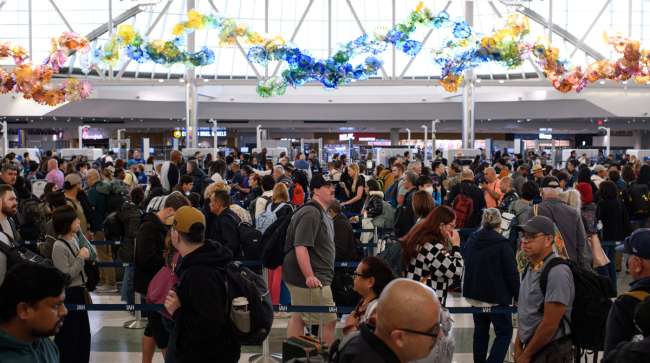 U.S. Transportation Department Poised to Reverse Domestic Flight Cuts Promptly Once Conditions Allow">

Flight Capacity Restrictions in the U.S. and the Road to Reopening
Flight capacity across major U.S. airports has recently faced significant cuts due to concerns over staffing and safety, but there’s a clear goal to resume normal operations as quickly as feasible. The pace of returning to full flight schedules depends largely on the readiness of air traffic controllers to return to their duties and positive trends in safety data.
The reductions were enacted to ensure safe operations amid disruptions but are slated to start lifting as soon as the government reopens and supporting data confirms improved conditions. Transportation leadership anticipates lifting restrictions within a week following a government reopening, provided controllers resume work adequately and the safety outlook looks favorable.
Background on Flight Reductions
Seven days before mid-November, directives came from the Transportation Department and FAA to reduce domestic flight availability at over 40 primary U.S. airports, initially by 4%, growing to 10%. These reductions targeted crowding in the skies and airspace amid controller absences that risked delaying or complicating flight operations.
The decision leaned heavily on safety reports, including pilot feedback on air traffic controller responsiveness. Ensuring the controllers are properly staffed and actively working is one prerequisite before rolling back the trimmed flight capacities.
Steps Toward Resuming Full Operations
Officials maintain that rushing the return to full flight levels is unwise until controller attendance stabilizes and key safety performance metrics improve. Flight restoration will be gradual and data-driven, reflecting a commitment to safeguarding travel safety over convenience.
More detailed information on the risk assessments and safety data informing these decisions is expected to be disclosed in the near future to airlines and legislative bodies, providing transparency into government rationale.
Impact and Logistics Considerations
While these flight adjustments aim primarily at passenger safety and system reliability, they also ripple through broader logistics and shipping networks. Air freight and cargo delivery depend heavily on flight availability and timeliness, meaning restrictions, even if temporary, can affect supply chains and shipment schedules.
Major airports act as hubs not just for passengers but for a substantial volume of freight, including critical time-sensitive deliveries. Any reduction in flights could cause bottlenecks or delays in parcel and pallet dispatch across the country, influencing everything from online retail to industrial supply chains.
How This Affects Freight and Cargo Forwarding
- Delayed Shipments: Flight cutbacks slow down air cargo throughput, possibly reducing options for same-day or next-day delivery services.
- Hogere kosten: Limited flight space can push freight forwarders to seek alternative routes or carriers, sometimes at higher rates.
- Routeaanpassingen: Logistics providers may need to reroute shipments, relying on road haulage or other freight modes while air capacity is restricted.
Role of Multimodal Logistics Solutions
Such scenarios emphasize the importance of robust multi-faceted transport strategies combining air, road, and sea modalities. Platforms like GetTransport.com offer versatile options for cargo, furniture, vehicle transportation, office and house moves, and bulky parcel delivery, ensuring continuity despite shifting flight availabilities. Their global reach and affordability mean logistics planners can access tailored shipping solutions quickly and reliably.
Table: Summary of Flight Cut Impact and Logistics Responses
| Aspect | Flight Restrictions Impact | Logistieke reactie |
|---|---|---|
| Passenger flights | Reduced schedule, potential delays | Incremental resumption phased by safety and workforce readiness |
| Air cargo capacity | Limited space, longer transit times | Explore alternative routes; use of multimodal transport |
| Leveranciersketen | Possible slowdown in parcel & freight delivery | Planning shipment timings; leveraging flexible dispatch options |
| Cost factors | Increased rates from scarcity of air freight slots | Negotiating with multiple carriers; platform-based price transparency |
Transparency and Data-Driven Decisions
The Department of Transportation emphasizes that the flight reduction measures were based on comprehensive safety data, including pilot and controller responsiveness reports. The approach is cautious and aims to prioritize passenger and cargo safety over hasty restoration of previous flight levels.
The government plans to release more detailed assessments to maintain transparency with aviation stakeholders and policymakers, helping them understand the underlying safety dynamics.
Vooruitblik
Recovering from flight reductions will require coordinated efforts among airlines, control facilities, and government agencies. Ongoing data analyses will inform decisions, minimizing risks while seeking to restore service levels conveniently and efficiently.
Why Does This Matter Beyond Passenger Travel?
Flight capacities shape how swiftly goods can be moved, especially internationally. Even short-term disruptions echo across freight logistics, impacting distributors, retailers, and consumers alike. Reliable air transport is a vital linchpin for many supply chains, carrying everything from essential supplies to oversized freight.
Experience and Informed Choices in Logistics
While official updates and safety-driven policies are essential, they can’t replace firsthand experience when selecting logistics options. Platforms like GetTransport.com empower users to directly book cargo transportation at competitive global rates, backed by transparent conditions and broad service choices.
This accessibility means customers avoid overpaying or facing unexpected delays while benefiting from a simple, user-friendly service for moving anything from household items to vehicles and heavy freight.
Boek je rit GetTransport.com today to experience seamless logistics tailored to your individual needs.
Global Logistics Forecast
On a worldwide scale, these flight adjustments are a localized response and don’t drastically alter global freight flows. However, for those within affected regions, staying ahead of such changes is key to maintaining supply chain resilience.
GetTransport.com continuously monitors developments to assist customers with up-to-date shipping solutions, keeping pace with evolving circumstances. Start planning your next delivery and secure your cargo with GetTransport.com.
Conclusie
The trimming and anticipated restoration of U.S. domestic flight capacity spotlights the delicate balance between safety and operational efficiency in air transportation. These fluctuations have tangible effects on various layers of the logistics ecosystem, affecting freight, parcel forwarding, and international shipping.
Understanding these dynamics allows businesses and individuals to navigate disruptions more smoothly, leveraging flexible, reliable platforms like GetTransport.com for their shipment and moving needs. By linking affordability, convenience, and global reach, such services help maintain steady, dependable transport despite industry hiccups.