


 Nederlands
  English (UK)
  Русский
  العربية
  日本語
日本語  한국어
한국어  Magyar
  Türkçe
  Español
  Čeština
  Svenska
  Português
  Ελληνικά
  Suomi
Suomi  Română
  Italiano
  Français
  Polski
  Українська
  Deutsch
  简体中文
简体中文  Slovenčina
 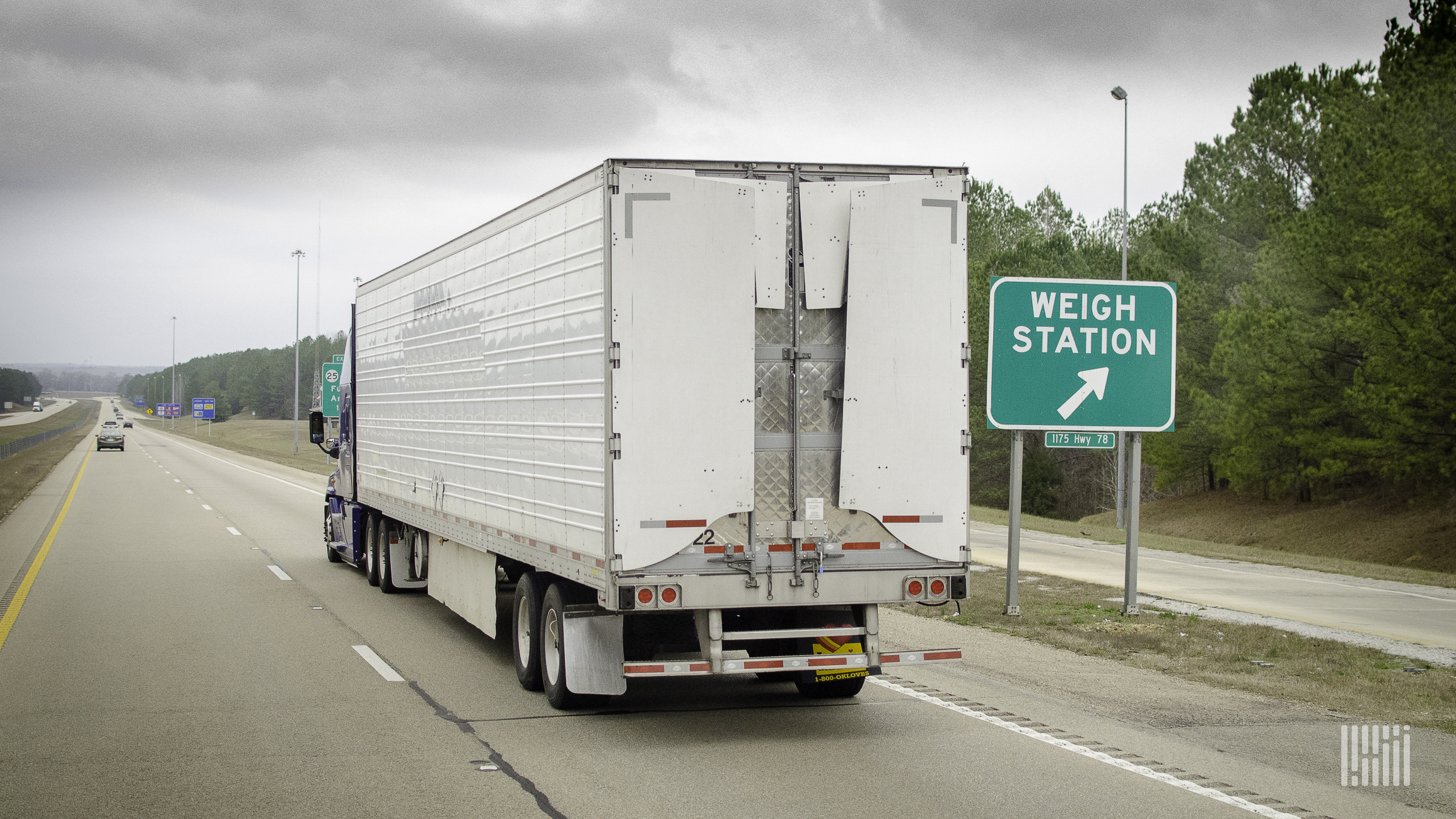 Understanding the Legal Dispute Around FMCSA’s Non-Domiciled CDL Regulation and Its Consequences">

The Issue at Hand: FMCSA’s Non-Domiciled CDL Regulation
A fresh legal controversy has taken center stage regarding the Federal Motor Carrier Safety Administration’s (FMCSA) interim rule that restricts the issuance of commercial driver’s licenses (CDLs) to non-domiciled applicants. This rule aims to tighten safety by limiting CDLs to individuals whose driving histories can be reliably verified within the United States, but it has stirred opposition from various groups and affected thousands of drivers.
Background and Safety Concerns
The FMCSA’s underlying rationale isn’t about immigration status influencing driving abilities but rather about gaps in documentation. Without verifiable records of past violations, suspensions, or crash history from foreign sources, the agency argues it cannot confidently assess the risk non-domiciled CDL applicants pose. In essence, the rule attempts to reduce potential safety hazards on U.S. highways by ensuring commercial drivers have traceable and accountable driving backgrounds.
- Key Safety Point: Allowing individuals to operate commercial vehicles without verified driving records presents a safety risk on the road.
- Control Measure: Limiting non-domiciled CDL eligibility narrows down unknown-risk drivers, aiming to enhance overall traffic safety.
The Lawsuit’s Genesis and Objectives
The legal battle was initiated on behalf of Jorge Rivera Lujan, a long-time CDL holder and Deferred Action for Childhood Arrivals (DACA) recipient, who finds himself caught in the crossfire of this regulation. Rivera Lujan, having lived in the United States since he was two and holding a CDL for over ten years, was unable to renew his license due to the new rule, threatening his livelihood and trucking business. The case is championed by groups like Public Citizen Litigation Group, the American Federation of Teachers, and the American Federation of State, County and Municipal Employees.
The central claim of the lawsuit is that the FMCSA implemented the rule in a rush, bypassing the standard public comment period, and without sufficient evidence to justify an emergency imposition. Plaintiffs argue that this sudden measure inflicts immediate and irreparable harm on lawful residents who meet all other licensing criteria.
Emergency Motion to Temporarily Halt the Rule
Alongside the main complaint, the plaintiffs filed an emergency motion requesting that the court temporarily block the enforcement of the rule while the lawsuit is under consideration. They contend that:
- The FMCSA lacked a valid emergency justification for fast-tracking the rule.
- The agency did not present factual evidence adequate for immediate enforcement.
- FMCSA itself stated there is no direct connection between immigration status and safe driving ability.
Moreover, the rule’s enforcement has purportedly led to the immediate loss of work eligibility for thousands of lawful residents, jeopardizing their income and family support. The court’s forthcoming decision on whether to grant a stay will determine if the rule’s application is paused during the ongoing litigation.
Central Legal Questions in the Dispute
This lawsuit delves into several crucial legal and procedural issues, such as:
| Legal Question | Details |
|---|---|
| Validity of “Emergency” Declaration | Did FMCSA legitimately qualify for bypassing normal rulemaking protocols due to an emergency? |
| Compliance with the Administrative Procedure Act (APA) | Was the agency’s shortcut around public notice and input lawful and justified under the APA? |
| Fairness to Lawful Residents | Does the rule unfairly exclude lawful U.S. residents who have met all federal and state licensing standards? |
If the court finds the rule was imposed improperly, it could nullify the regulation or freeze its enforcement until the FMCSA follows the full, standard rulemaking process.
Next Steps and Industry Watchfulness
- The court is expected soon to rule on the emergency stay motion, which may temporarily block the rule’s enforcement.
- Regardless of that outcome, the main lawsuit will proceed, with ongoing presentations of evidence and arguments.
- FMCSA’s public comment period will remain open until November 28, 2025, allowing stakeholders to voice opinions that could influence the rule’s final status.
Samenvatting van de belangrijkste punten
- The FMCSA enacted a swift rule restricting non-domiciled CDL issuance to improve highway safety.
- A lawsuit challenges both the legitimacy and the justification of this interim rule.
- Plaintiffs claim sudden enforcement causes significant harm to legal workers who fulfilled prior requirements.
- FMCSA emphasizes safety and difficulty verifying foreign driving records as core reasons for the rule.
This legal battle exposes a complex intersection of regulatory safety goals and the realities faced by commercial drivers. The trucking industry, vital to logistics and freight movement, is watching closely. Rapid regulatory changes can ripple through supply chains, affecting cargo hauling, dispatch operations, and ultimately delivery schedules and costs. Understanding and navigating such rules becomes crucial in maintaining reliability and efficiency across the transportation network.
Why This Matters for Logistics and Transport
For professionals and companies in freight forwarding, haulage, and cargo shipping, disruptions in driver licensing can lead to shortages of qualified operators. This, in turn, threatens the smooth dispatch, delivery, and distribution of goods, especially amidst a market already wrestling with labor challenges. Reliable access to a pool of licensed commercial drivers is the backbone of moving bulky goods, vehicles, and shipments at local and international levels.
How Drivers and Operators Are Impacted
- Loss of licensure can halt trucking businesses, undermining family incomes.
- Sudden rule changes increase uncertainty for drivers about their operational status.
- Strict licensing boundaries might tighten hiring pools for transport companies.
In the balancing act between safety and workforce stability, the outcome of this case could set precedent on how emergency rules are handled in logistics regulations moving forward.
Taking the Plunge: Experiencing It Firsthand
While reviews and legal opinions help frame the issue, nothing beats personal experience to truly grasp the impact of changes in transport regulations on daily operations. On GetTransport.com, users gain access to a worldwide marketplace that offers affordable rates for cargo transportation services—be it office or home moves, bulky furniture, vehicles, or even international shipments. This transparency and convenience empower clients and carriers alike to make informed decisions without breaking the bank or running into logistical headaches. Book now and see how GetTransport.com’s versatile platform can smooth out your next shipment or haulage challenge.
GetTransport.com brings simplicity and affordability to freight forwarding, courier services, pallet shipping, and other cargo logistics, helping bridge the gap between regulatory shifts and operational needs. GetTransport.com
Looking Forward: What Could This Mean for Global Logistics?
While the specific FMCSA non-domiciled CDL rule primarily affects U.S. commercial vehicle operations and may not drastically shift the global logistics landscape, it nonetheless underscores the importance of regulatory vigilance. Changes like this highlight the ripple effects policy decisions can have on freight delivery, moving services, and regional supply chains. At GetTransport.com, staying on top of such developments is vital to providing users with reliable and adaptable transport options. Start planning your next delivery and secure your cargo with GetTransport.com.
In Closing
To sum it all up, the legal confrontation over FMCSA’s restriction on non-domiciled commercial driver’s licenses tightens the focus on safety versus regulatory procedure. It puts a spotlight on the balance needed between protecting the roads and supporting lawful drivers who keep freight moving. For logistics, such developments could affect driver availability and transport operations, potentially influencing the timely delivery of parcels, pallets, containers, and bulky goods. Platforms like GetTransport.com are uniquely positioned to ease the burden, offering global coverage with cost-efficient, reliable shipping and relocation solutions for all types of cargo – from personal house moves to commercial freight forwarding.