


 Nederlands
  English (UK)
  Русский
  العربية
  日本語
日本語  한국어
한국어  Magyar
  Türkçe
  Español
  Čeština
  Svenska
  Português
  Ελληνικά
  Suomi
Suomi  Română
  Italiano
  Français
  Polski
  Українська
  Deutsch
  简体中文
简体中文  Slovenčina
 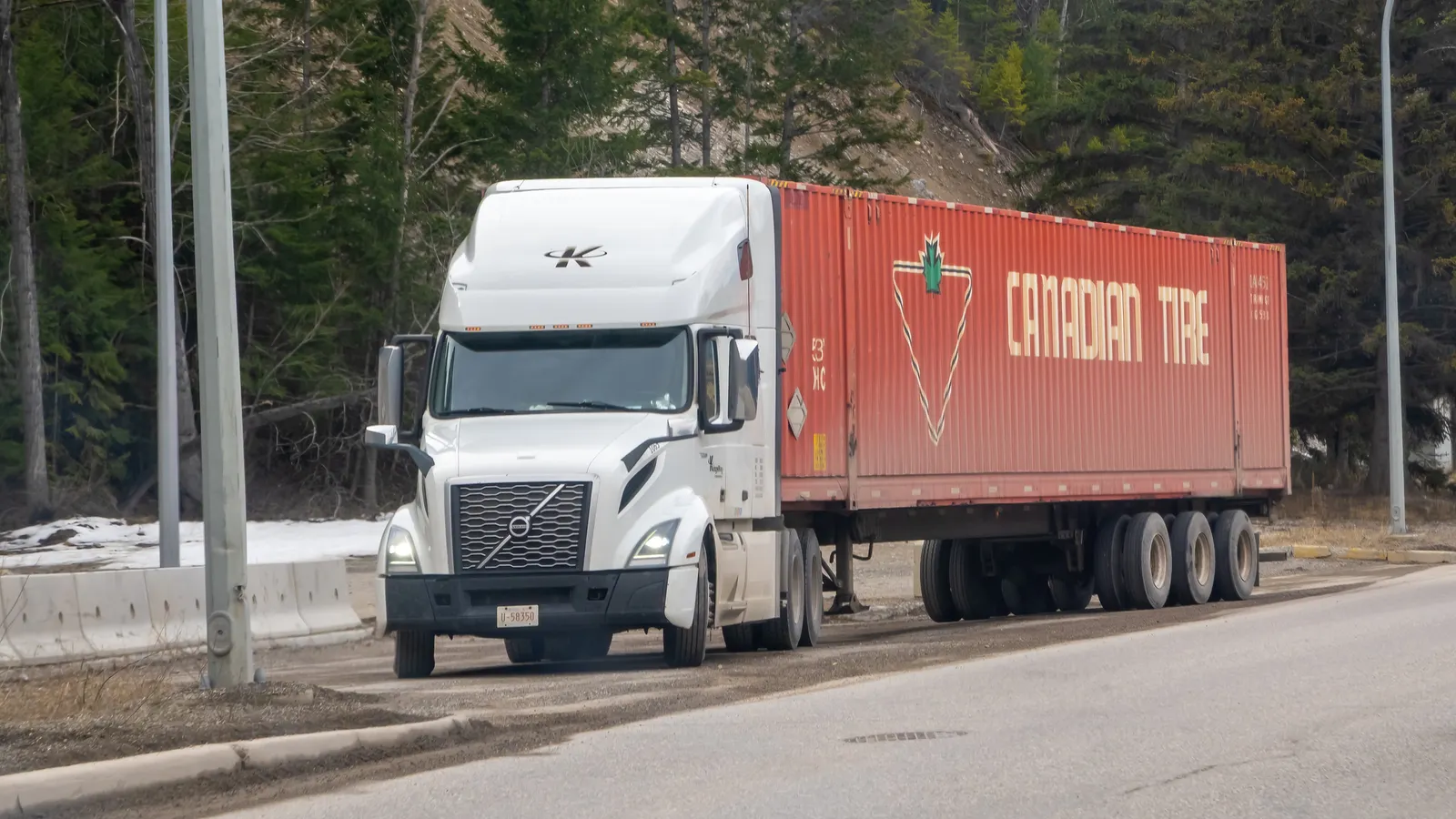 Volvo Trucks North America bespreekt trends in de vrachtmarkt en uitdagingen bij de vernieuwing van wagenparken">

Freight Demand Outlook: Steady But Challenging Times Ahead
The trucking sector’s freight demand continues to navigate a prolonged downturn that’s stretched over the past three years. According to industry leadership, demand in the near future — specifically the first half of 2026 — is expected to remain largely unchanged from current levels. This perspective highlights the cyclical nature of the transport business, where periods of slower activity inevitably give way to growth phases.
This near-term outlook does not come from a place of doom but rather a realistic acknowledgment of the market’s rhythms. The freight industry, tightly interwoven with economic ebbs and flows, tends to mirror broader economic activity. When the economy gains momentum again, the transport sector will naturally experience a rebound, reigniting freight volumes across the board.
The Cyclical Dance Between Economy and Transport
The relationship between economic cycles and freight volumes is more than just coincidental; it’s practically scripted. As production ramps up, retail demand surges, and manufacturing output rises, the need for shipping to fulfill these activities spikes accordingly. During downturns, cautious spending and inventory optimization tend to slow transportation needs.
Shippers and logistics providers keep a keen eye on these oscillations, planning fleet operations, equipment purchases, and resource allocation to stay lean but ready when the tides turn. The wise saying, “Make hay while the sun shines,” fits snugly here—not just about seizing good times, but also about preparing through strategic decisions during slower spell.
Concern Over Aging Fleets and Replacement Decisions
One of the pressing concerns voiced by the truck manufacturing leadership is the advancing average age of trucks in North American fleets. Sitting roughly between 6.6 and 6.8 years, the average vehicle age is creeping toward a critical threshold where maintenance expenses escalate, and operational efficiency tends to dip.
When trucks reach around seven years old, many fleet operators find it economically sensible to invest in new vehicles. Older trucks invite increasingly frequent repairs and downtime, which ironically costs more than new acquisition over time. This replacement decision is a key driver for the sales pipelines of manufacturers and a bellwether for future freight capacity expansions.
Table: Average Fleet Age and Replacement Impact
| Metrisch | Waarde | Implications for Transport |
|---|---|---|
| Average Fleet Age | 6.6 – 6.8 Years | Near critical maintenance threshold |
| Replacement Age Benchmark | Approximately 7 Years | Increased new truck purchases |
| Maintenance Costs | Increase sharply after threshold | Economic case for fleet renewal |
Impact of Regulatory and Tariff Factors
Uncertainties related to changing policies also play a significant role in the logistics and trucking scene. For example, upcoming 2027 emissions regulations present a complex compliance challenge. Currently, the permissible levels of nitrogen oxides (NOx) for heavy-duty trucks are set to drop dramatically from 0.20 grams per brake horsepower-hour to a mere 0.035 grams. This tightening standard demands innovation in engine designs and after-treatment technologies.
Additionally, tariff policies impact production costs and supply chains. However, the fact that Volvo Trucks produces all its vehicles domestically in the U.S. shields it from some tariff complications expected to hit competitors relying on Mexican production facilities. That said, the import of certain parts still introduces cost pressures, though Volvo has absorbed much of this expense so far.
Key Factors Influencing Truck Manufacturing
- Domestic Production: Full U.S.-based truck assembly minimizes tariff exposures.
- Parts Importation: Essential parts imported increase production costs.
- Conformiteit met emissies: Looming 2027 NOx limits enforce stricter engineering requirements.
- Competitor Challenges: Some rivals affected more by cross-border manufacturing.
What This Means for Logistics and Freight Transport
The present landscape hints at a tricky period for freight logistics, marked by steady but unimpressive volumes, aging vehicle fleets on the brink of renewal, and looming regulatory hurdles. For logistics operators, the key challenge is how to remain efficient and cost-effective during these quieter times while positioning fleet capabilities to ramp up quickly when demand recovers.
Efficient planning, flexible capacity management, and strategic investment in newer, compliant vehicles will be crucial. This mix ensures operators can avoid bottlenecks and service gaps when shipment volumes eventually rise again. It’s a juggling act of managing maintenance costs, navigating regulatory compliance, and preparing for market recovery.
Potential Implications Table for Logistics Providers
| Industry Aspect | Huidige impact | Toekomstige overwegingen |
|---|---|---|
| Freight Demand | Flat to slightly subdued through early 2026 | Expected to rebound with economic growth |
| Fleet Age | Near replacement threshold; increased maintenance | Opportunities for modern fleet incorporation |
| Naleving van regelgeving | Anticipation of stricter emissions standards | Need for investment in green technologies |
| Tariffs and Costs | Some cost pressures via parts imports | Competitive advantage for domestic producers |
Why Personal Experience Beats All — and How GetTransport.com Fits In
While industry reports and leadership forecasts offer valuable guidance, nothing beats firsthand experience with freight and transport services. True understanding comes from engaging with providers and navigating the realities of cargo movement—whether it’s office relocations, moving bulky equipment, or international shipments.
Platforms that aggregate affordable, global transport options stand out for convenience and transparency. GetTransport.com, for instance, brings together a wide variety of transport solutions under one roof. Whether you need to move large furniture across states or dispatch vehicles internationally, this platform helps simplify and reduce the cost of hauling. This empowers logistics planners and cargo owners alike to make sound, cost-effective choices without the guesswork.
Met een breed netwerk, concurrerende prijzen en een gebruiksvriendelijke interface sluit GetTransport.com perfect aan bij de eisen en kansen van het huidige transportlandschap. Boek je rit op GetTransport.com.
Vooruitblik: Het vrachtmarkt- en logistieke evolutie anticiperen
De wereldwijde logistiek zal geleidelijk aan profiteren naarmate de vrachtmarkt herstelt in lijn met de economische groei - geen transformatie van de ene op de andere nacht, maar een gestage stijging. Ondanks de subtiele kortetermijnstagnatie erkennen toeschouwers van de industrie de onvermijdelijkheid van het herstel, onderstreept door het vervangen van vloten en innovatie gedreven door wettelijke eisen.
Hoewel de directe mondiale impact van langzamere groei in het Noord-Amerikaanse transportbedrijf wellicht bescheiden lijkt op wereldwijde schaal, is het cruciaal om op de hoogte te blijven van deze ontwikkelingen voor elke toekomstgerichte logistieke operatie. Platforms zoals GetTransport.com zijn klaar om bedrijven te helpen deze golven te doorstaan door efficiënte, kosteneffectieve transport- en verhuisoplossingen te bieden die zijn afgestemd op voortdurend veranderende marktomstandigheden.
Begin met het plannen van uw volgende levering en beveilig uw lading met GetTransport.com.
Samenvatting
Het vrachtwagenlandschap wordt momenteel gekenmerkt door een neergang van de vrachtvraag van drie jaar, die naar verwachting tot begin 2026 zal aanhouden, wat de bredere economische cycli weerspiegelt. De verouderde vloot die de kritieke onderhoudsdrempel nadert, signaleert een golf van nieuwe vrachtwagenaankopen, ondersteund door de economische levensvatbaarheid van vernieuwingen rond de zevenjarige grens. Regelgevende uitdagingen, met name de strenge emissienormen van 2027, zullen de complexiteit vergroten en zowel de productie als de vlootupgrades beïnvloeden. Tarieven beïnvloeden de kosten van onderdelen, maar de binnenlandse productie biedt sommige fabrikanten een concurrentievoordeel. Logistieke actoren moeten kosten-efficiëntie afstemmen op de paraatheid voor marktpieken, waarbij platformen die veelzijdige, betaalbare verzend- en transportoplossingen bieden - zoals GetTransport.com - een essentiële rol spelen. Deze diensten helpen de huidige lacunes te overbruggen en voor te bereiden op toekomstige vrachtpieken, waardoor betrouwbaar en op maat transport voor een breed scala aan ladingtypes wordt gegarandeerd in een veranderende economische en regelgevende omgeving.