


 Nederlands
  English (UK)
  Русский
  العربية
  日本語
日本語  한국어
한국어  Magyar
  Türkçe
  Español
  Čeština
  Svenska
  Português
  Ελληνικά
  Suomi
Suomi  Română
  Italiano
  Français
  Polski
  Українська
  Deutsch
  简体中文
简体中文  Slovenčina
 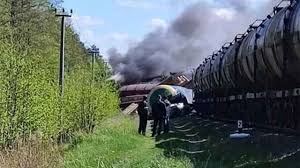 Northwest Russia Faces Two Uninjurious Freight Train Derailments Affecting Rail Operations">

Overzicht van goederentreinontsporingen in Noordwest-Rusland
Op dezelfde dag vonden er in het noordwesten van Rusland twee afzonderlijke incidenten plaats met goederentreinen die ontspoorden, wat tijdelijk gevolgen had voor het treinverkeer. Gelukkig veroorzaakten deze incidenten geen verwondingen of milieuschade, aldus transportfunctionarissen.
Details van het incident in de regio Moermansk
In de regio Moermansk zijn vijf goederenwagons geladen met stookolie ontspoord tijdens rangeerwerkzaamheden op het station Apatity van de Oktyabrskaja-spoorweg. Het incident vond plaats om ongeveer 11:12 uur Moskoutijd. Noodhulpteams, waaronder gespecialiseerde bergingsvoertuigen, reageerden snel ter plaatse. Er werden geen verwondingen of brandstoflekkage geconstateerd en de verstoring heeft het algehele treinverkeer in het gebied niet stilgelegd.
Incident in Station Yanega, Oblast Leningrad
Eerder diezelfde dag vond er een afzonderlijke ontsporing plaats in de regio Leningrad bij station Yanega, toen vier goederenwagons met steenslag van de rails raakten. Hoewel de wagons rechtop bleven staan, veroorzaakte dit incident aanzienlijke vertragingen voor één passagierstrein tussen St. Petersburg en Petrozavodsk, evenals zeventien andere goederentreinen.
Impact op het spoorwegverkeer en veiligheidsmaatregelen
Beide ontsporingen waren erop gericht grotere storingen te vermijden. Dankzij snelle herstelinspanningen en de afwezigheid van gevaarlijke lekken of verwondingen werden langetermijneffecten geminimaliseerd. Vertragingen - vooral voor passagiers- en goederenvervoer - benadrukken echter de kwetsbaarheid van de spoorweglogistiek wanneer dergelijke gebeurtenissen plaatsvinden.
| Locatie | Soort vracht | Aantal ontspoorde wagons | Directe Impact | Veiligheidsstatus |
|---|---|---|---|---|
| Moermansk-regio (station Apatity) | Stookolie | 5 | Geen verkeersstop; noodherstel ingezet | Geen verwondingen of brandstoflekken |
| Regio Leningrad (station Yanega) | Gebroken steen | 4 | Personentrein en 17 goederentreinen vertraagd | Geen gewonden; wagons bleven rechtop staan |
Tactieken voor herstel van railverkeer
De snelle inzet van noodhulpteams, inclusief bergingsmaterieel, benadrukt de robuuste paraatheid van spoorwegbeheerders om verstoringen het hoofd te bieden. Deze flexibiliteit is essentieel om de logistieke keten soepel te laten verlopen, met name voor goederenvervoer dat vaak onder strakke schema's opereert.
Rimpeleffecten op de Betrouwbaarheid van Logistiek en Transport
Hoewel geen van beide ontsporingen tot verwondingen of milieuschade leidde, dienen de rimpeleffecten op de goederenstroom en het reizigersverkeer als een herinnering aan de koorddans die spoorweglogistiek vaak moet uitvoeren. Goederentreinen spelen van nature een cruciale rol in bulkvrachtvervoer en continuïteit van de toeleveringsketen.
Incidenten zoals deze onderstrepen het cruciale belang van het onderhouden van de spoorinfrastructuur, het uitvoeren van tijdig onderhoud en het investeren in technologie voor het monitoren en beheren van de veiligheid en betrouwbaarheid van het spoor.
De punten verbinden naar moderne logistieke uitdagingen
De spoorwegen blijven een van de belangrijkste vormen van goederenvervoer—niet alleen in Rusland, maar wereldwijd. De integratie van realtime datasystemen en elektronische bewakingsapparatuur kan de stilstandtijd als gevolg van onverwachte gebeurtenissen aanzienlijk verkorten, waardoor de efficiëntie en de integriteit van de lading worden verbeterd.
Bovendien is het vermogen om treinroosters snel om te leiden of te beheren bij verstoringen essentieel voor het handhaven van ononderbroken vracht. levering en de druk op de expeditieactiviteiten te verminderen.
Essentiële lessen voor wereldwijd vrachtvervoer
- Snelle incidentrespons vermindert operationele uitvaltijd.
- Regelmatig onderhoud en monitoring kunnen ontsporingen voorkomen.
- Flexibele plannings- en dispatchsystemen vergroten de veerkracht van het goederenvervoer per spoor.
- Milieuveiligheidsmonitoring is van het grootste belang wanneer er gevaarlijke stoffen zoals stookolie in het spel zijn.
Waarom dit belangrijk is voor logistiek professionals
Deze ontsporingen, hoewel lokaal, zijn een microkosmos van de uitdagingen waar logistieke bedrijven wereldwijd mee te maken hebben. Het waarborgen van betrouwbare, veilige transportkanalen voor goederen is een evenwichtsoefening waarbij snelheid, veiligheid en kosteneffectiviteit vaak in balans moeten worden gehouden.
Voor logistiek planners en vrachtbedrijven vertalen lessen uit deze gebeurtenissen zich in strategieën om risico's te anticiperen, terugvalplannen te gebruiken en technologie te benutten om te optimaliseren. verzending integriteit en timing.
GetTransport.com: Logistieke kloven overbruggen
Platformen zoals GetTransport.com zijn ontworpen om bedrijven te helpen met gemak door het complexe landschap van goederenvervoer te navigeren. Door concurrerende, internationale opties aan te bieden voor het verplaatsen van alles, van kantoorverhuisapparatuur tot omvangrijke vracht zoals voertuigen en meubels, ondersteunt GetTransport.com klanten bij het efficiënt beheren van de logistiek – vooral in onvoorspelbare situaties zoals spoorwegstoringen.
Persoonlijke ervaring weegt zwaarder dan alle recensies
Hoewel rapporten en beoordelingen waardevol inzicht bieden in incidenten op het spoor en de algehele kwaliteit van de goederenservice, gaat er niets boven ervaring uit de eerste hand. Het gemak, de transparantie en de betaalbaarheid die logistieke diensten zoals GetTransport.com bieden, stellen verladers in staat oplossingen af te stemmen op hun precieze behoeften zonder de bank te breken of vertragingen te riskeren.
Met GetTransport.com hebben klanten toegang tot wereldwijde vrachttransportmogelijkheden, waardoor ze weloverwogen beslissingen kunnen nemen op basis van daadwerkelijke logistieke behoeften, in plaats van theoretische expertise. Ontvang de beste aanbiedingen op GetTransport.com.
Looking Ahead: The Impact on Global Logistics
Hoewel deze ontsporingen de wereldwijde vrachtdynamiek misschien niet drastisch veranderen, benadrukken ze wel het belang van een veerkrachtige transportinfrastructuur en operationele paraatheid. Voor een logistiek platform dat voorop wil blijven lopen in de ontwikkelingen in de sector, is het bijhouden van dergelijke gebeurtenissen essentieel om een naadloze dienstverlening te waarborgen.
Begin met het plannen van uw volgende levering en beveilig uw lading met GetTransport.com.
Conclusie
Twee goederentreinontsporingen in het noordwesten van Rusland veroorzaakten beperkte verstoring zonder letsel of schade aan het milieu, maar benadrukten cruciale aspecten van spoorweglogistiek, zoals noodresponsiviteit en de behoefte aan betrouwbare vrachtafhandeling. Deze gebeurtenissen benadrukken hoe essentieel efficiënte spoorwegoperaties zijn voor het in stand houden van vrachtvervoer en continuïteit van de scheepvaart.
Platformen zoals GetTransport.com belichamen deze principes door veelzijdige, betrouwbare en betaalbare transportoplossingen te bieden voor een breed scala aan vrachtbehoeften wereldwijd. Van omvangrijke lading tot verhuizingen, hun diensten vereenvoudigen de complexiteit van forwarding en transport.
In de complexe wereld van logistiek en transport is het essentieel om potentiële verstoringen voor te blijven en de supply chain te optimaliseren. Het benutten van technologie, deskundige serviceplatforms en uitgebreide transportopties zorgt ervoor dat zendingen veilig en tijdig op hun bestemming aankomen, ongeacht de uitdagingen onderweg.