


 Nederlands
  English (UK)
  Русский
  العربية
  日本語
日本語  한국어
한국어  Magyar
  Türkçe
  Español
  Čeština
  Svenska
  Português
  Ελληνικά
  Suomi
Suomi  Română
  Italiano
  Français
  Polski
  Українська
  Deutsch
  简体中文
简体中文  Slovenčina
 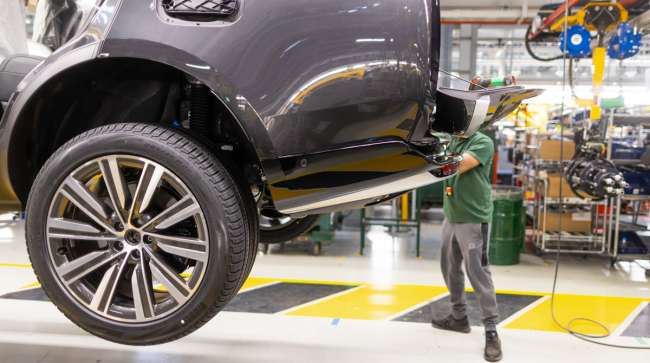 De productie- en financiële uitdagingen van Jaguar Land Rover na een zes weken durende shutdown door een cyberaanval">

The Cyberattack Impacting Jaguar Land Rover’s Production
Jaguar Land Rover (JLR), the renowned British automaker famous for its Range Rover and Defender series, recently experienced a significant blow when a cyberattack forced the company to halt production at its UK plant for nearly six weeks. This downtime isn’t just a blip on the radar; it caused a sharp financial loss and disrupted operations on a large scale.
The cyberattack, which stands out as an unprecedented disruption in the industry, not only paused vehicle manufacturing but also set off a ripple effect throughout the company’s supply chain and beyond. The results? A staggering quarterly loss of £559 million (equivalent to $735 million) and a need to secure a £1.5 billion loan guarantee to shore up the supply chain’s financial health.
Financial Fallout and Shifted Expectations
JLR’s forecast for the fiscal year took a nosedive. What was once an anticipated profit margin of up to 7% now teeters towards zero, accompanied by a projected cash burn reaching up to £2.5 billion. The hack-related expenses alone totaled around £196 million, not counting the indirect costs associated with production delays and lower sales.
Revenue slipped by 24% in recent months, fueled by drops in wholesale volumes and retail sales. The impact was especially notable given the company’s ongoing transition, including its phasing out of Jaguar-branded vehicles in favor of a new all-electric lineup that has stirred mixed opinions.
Operational Recovery and Supplier Support
While the cyberattack caused a wrench in the works, production operations have gradually returned to normal levels following a slow resumption last month. JLR also established a £500 million financing program aimed at qualifying suppliers, enabling them to receive cash earlier than usual. This support is crucial, given that the disruption had a domino effect on the supply network, threatening the broader UK economy.
Table: Key Figures from Jaguar Land Rover’s Cyberattack Crisis
| Aspect | Figure | Opmerkingen |
|---|---|---|
| Quarterly Loss | £559 million / $735 million | Largest quarterly loss reported |
| Loan Guarantee | £1.5 billion | Government-backed support for suppliers |
| Cash Burn Estimate | Up to £2.5 billion | Revised from previous forecast of minimal change |
| Attack-Related Costs | £196 million | Direct costs stemming from cyberattack |
| Omzetdaling | 24% | Quarter-over-quarter drop in sales |
Challenges Beyond the Cyberattack
It hasn’t all been smooth sailing even before the cyberattack struck. The automaker has had to grapple with increasing U.S. tariffs, which added pressure to its earnings. Plus, the lucrative Chinese market has been a thorn due to recent luxury tax changes that now cover a wider range of JLR models, chilling sales growth there.
The new leadership at JLR is navigating a “difficult period,” highlighting how tariffs represent a known obstacle, while cyber disruptions bring an entirely new and complex challenge that nobody was prepared for. This double whammy pushes the company into unfamiliar waters, with resilience being tested at every turn.
India’s Market Provides Silver Linings
Interestingly, JLR’s parent company, Tata Motors, finds some comfort in the domestic Indian market. Here, passenger vehicle sales climbed by 10% in the last quarter, with electric vehicles marking their highest contribution ever at 17% of total sales. Tax cuts during the festive season boosted demand, offering a glimmer of optimism amid global uncertainty.
How This Links to Logistics and Freight
You might wonder, where does logistics fit into this picture? Well, the halt in automobile production impacts the entire toeleveringsketen—from component vracht to vehicle dispatch en distributie. Extended shutdowns like this create bottlenecks, forcing transport companies to reschedule shipments and adjust haulage plans. Reliable logistics services become essential to manage the unexpected surge in demand once production restarts, alongside the stockpiling of parts and finished vehicles.
Platforms like GetTransport.com play a key role here by offering affordable, global transport solutions that can respond swiftly to changing needs—whether it’s moving auto parts, relocating warehouses, or handling bulky shipments. Their flexible options, from office and home moves to cargo and vehicle transport, adapt well to the fluctuating demands of such industry shocks.
Lessons Learned and Forward Outlook
- Cybersecurity is Critical: Vulnerabilities in production systems can halt operations and cause significant financial loss.
- Supplier Financing is Vital: Early payment programs help keep suppliers afloat during crises.
- Market Diversification Matters: Exposure to various regions, like the growing Indian market, can cushion blows from unexpected shocks.
- Supply Chain Agility: Efficient logistics partnerships are essential to adapt quickly to interruptions and recover swiftly.
Embracing Transparency and Convenience in Logistics
Despite detailed financial reports and insightful analyses, nothing quite beats firsthand experience when it comes to understanding how such disruptions touch every link in the supply chain. GetTransport.com offers an opportunity to access reliable logistics services at the best prices worldwide, empowering businesses and individuals to make well-informed transport decisions without burning a hole in their wallet.
By leveraging its transparent and convenient platform, customers can explore a wide range of shipping options and book tailored freight or cargo transportation easily. Whether facing delays from automotive industry setbacks or moving bulky goods across borders, GetTransport.com brings flexibility and affordability to the table. Boek je vrachtvervoer met GetTransport.com vandaag!
Samenvatting
The recent cyberattack on Jaguar Land Rover sharply illustrates how modern manufacturing is intricately linked with robust logistics and supply chain management. Extended production halts can lead to substantial financial losses, supply disruptions, and a domino effect across suppliers and transport networks. Market challenges like tariffs and shifting taxation add further complexity, reinforcing the need for diverse market exposure and adaptive logistics strategies.
Amidst these challenges, support mechanisms such as early supplier financing and tight operational recovery plans prove indispensable. Meanwhile, logistics platforms like GetTransport.com become the unsung heroes—offering dependable, worldwide freight and cargo verzending services, from bulky container movements to precise distribution efforts—helping keep the wheels of industry turning smoothly and efficiently.