


 Nederlands
  English (UK)
  Русский
  العربية
  日本語
日本語  한국어
한국어  Magyar
  Türkçe
  Español
  Čeština
  Svenska
  Português
  Ελληνικά
  Suomi
Suomi  Română
  Italiano
  Français
  Polski
  Українська
  Deutsch
  简体中文
简体中文  Slovenčina
 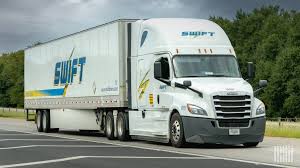 Knight‑Swift Seeks Profitability Gains in 2026 While Reworking Fleet, LTL and Cost Structure">

This piece examines Knight‑Swift’s fourth-quarter results, the cost-cutting steps it has taken, and the company’s plans to improve margins in 2026.
Q4 performance snapshot and the accounting wrinkle
Knight‑Swift reported a headline net loss in the fourth quarter driven largely by a noncash charge tied to integrating Abilene Motor Express under Swift Transportation. Excluding one-time items, adjusted earnings per share were modestly lower year‑over‑year, and consolidated revenue came in slightly under expectations at about $1.86 billion. Management set a cautious first‑quarter EPS guide that brackets the market consensus, signaling a steady but guarded approach into 2026.
Truckload: trimming the fleet to boost utilization
De vrachtwagenlading (TL) business saw revenue dip roughly 2% year over year, reflecting a deliberate reduction in tractors in service as the carrier focuses on asset utilization rather than fleet size. Several performance indicators nudged up, but the company emphasized that margin recovery will require better demand and pricing over time.
Fleet and utilization metrics
| Metrisch | Q4 Result | Year‑over‑Year Change |
|---|---|---|
| Consolidated revenue | $1.86 billion | Down slightly |
| Truckload revenue | $1.08 billion | -2% |
| Tractors in service | Reduced by ~5% | -5% |
| Revenue per tractor | Up ~2% | +2% |
| Adjusted operating ratio (TL) | 92.9% | +70 bps |
Where the savings came from
Over $150 million in expense reductions were pulled from the truckload unit, roughly two‑thirds of which were variable costs. Maintenance, fuel and insurance intensity all improved as a percentage of revenue. Fixed cost cuts targeted equipment (through better utilization), real estate rationalization and overhead reductions, including a roughly 5% reduction in non‑driver headcount.
LTL consolidation: one brand, broader reach
The less‑than‑truckload segment produced revenue growth as the company unified acquired brands — AAA Cooper Transportation (ACT), Midwest Motor Express (MME) en Dependable Highway Express (DHE) — under the ACT banner. Shipments per day rose, and revenue per shipment increased, but margins were pressured by onboarding costs tied to new terminals.
- Revenue (LTL): ~$299 million, +7% y/y.
- Yield per hundredweight: +5%, driven largely by a 12% increase in length of haul.
- Adjusted OR (LTL): 95.1%, slightly worse y/y.
Management notes the company now has the capacity to handle roughly $2 miljard in LTL revenue — a sizable step up from the trailing 12‑month run rate of $1.3 billion — though a Northeast carrier is still needed to complete a coast‑to‑coast network.
Other units and margin dynamics
The logistics arm saw margin compression as higher purchased transportation costs weighed on gross margin. Intermodal approached breakeven, marking a near‑term improvement versus prior results. Several support and services segments are expected to return to operating profit early in the year, while gains from equipment sales are projected to decline versus recent levels.
Quick implications for shippers and brokers
| Area | Likely Effect | Action for Logistics Teams |
|---|---|---|
| Capaciteit | Tightening in TL as fleets shrink | Lock in contracts and diversify carriers |
| Pricing | Upward pressure if demand firm | Renegotiate bids and plan rate corridors |
| LTL network | Greater national reach after brand unification | Consider larger single‑carrier relationships |
For shippers and freight managers, these moves mean paying attention to contract windows and the 2026 bid season, when the company expects to pursue low‑ to mid‑single‑digit contractual rate increases. If you’re the kind of planner who likes to stay ahead of the curve, now’s the time to map out routes, lanes and contingency carriers.
What this means for broader logistics
The near‑term picture is mixed: operational discipline and asset optimization can lift margins even without an immediate rebound in freight volumes, but sustainably higher margins will likely need firmer demand and pricing. A tightened TL market and more expansive LTL footprint could push spot rates and contract dynamics in different directions across lanes. In short, the company’s moves are sensible, but both carriers and shippers will need to keep a close eye on capacity and rates through 2026.
Hoogtepunten:
- Significant cost reductions were implemented to shore up margins.
- LTL brand consolidation increases potential national coverage.
- Fleet downsizing aims to improve asset utilization, but limits capacity.
- Intermodal improvement is encouraging but fragile.
All the numbers and strategy make for an interesting read, but no amount of reporting replaces hands‑on experience—there’s nothing like trying a lane yourself to see how rates, transit times and service really behave. On GetTransport.com, you can order your cargo transportation at the best prices globally at reasonable prices. Start planning your next delivery and secure your cargo with GetTransport.com. Book your Ride GetTransport.com.com
In summary, Knight‑Swift’s Q4 results underscore a strategic pivot toward margin recovery through cost control, fleet rationalization and LTL network consolidation. These levers can improve operating ratios, but lasting gains depend on market demand and pricing dynamics. For logistics teams managing lading, vracht en shipments, the takeaway is clear: diversify transport partners, plan for tighter TL capacity, and evaluate LTL opportunities as networks evolve. Platforms that simplify dispatch, forwarding and haulage can be helpful in this environment — they make shipping, moving and international or domestic relocation logistics more transparent, reliable and cost‑effective. GetTransport.com aligns with these needs by offering convenient, affordable options for palletized and bulky items, vehicle moves, housemoves and large‑item delivery, helping shippers manage shipment, courier and distribution challenges across global lanes.