


 Nederlands
  English (UK)
  Русский
  العربية
  日本語
日本語  한국어
한국어  Magyar
  Türkçe
  Español
  Čeština
  Svenska
  Português
  Ελληνικά
  Suomi
Suomi  Română
  Italiano
  Français
  Polski
  Українська
  Deutsch
  简体中文
简体中文  Slovenčina
 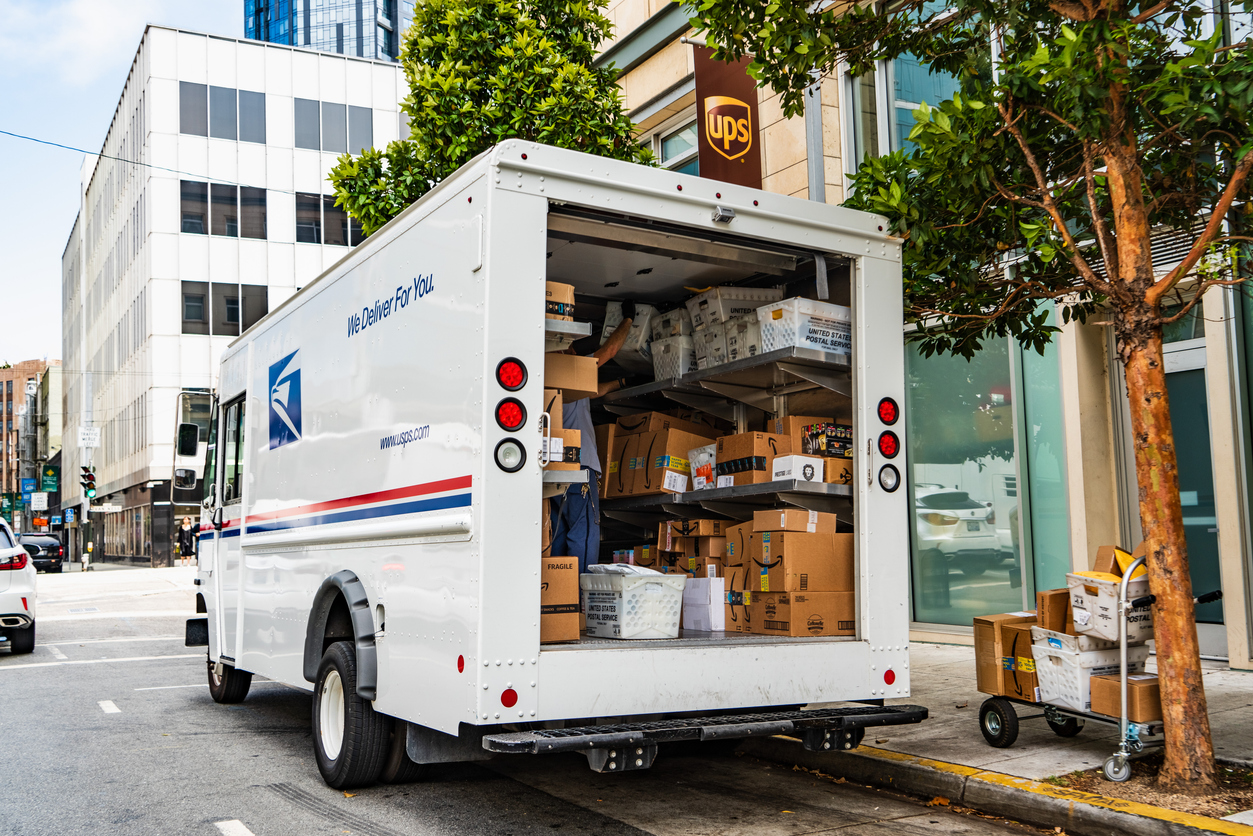 USPS Announces Bidding for Expanded Last‑Mile Delivery Network, David Steiner Comments">

The U.S. Postal Service has opened a formal bidding process for participation in its expanded last-mile delivery network, inviting carriers and shippers to propose service offers for thousands of local delivery points.
What’s being offered: a quick overview
USPS has made more than 18,000 destination delivery units (DDUs) and local processing centers (LPCs) available through a dedicated solicitation platform. Bidders can propose combinations of volume, pricing en tender times for service at individual DDUs, specifying either same‑day or next‑day deliveries. Successful bidders are expected to be notified in the second quarter of 2026, with service rollouts planned for the third quarter.
Why USPS is doing this
Postmaster General David Steiner framed the move as a response to evolving customer expectations and marketplace trends. Supply chain disruptions, the post‑pandemic shift toward convenience, and the desire for competitive speed and dependability all pushed USPS to open its last‑mile doors to additional partners beyond names like Amazon en UPS.
How the solicitation works
Prospective partners use the bidding website to target individual DDUs and LPCs. The platform accepts offers that blend:
- Volume commitments — number of parcels or pallets per period;
- Pricing structures — per parcel, per pallet, or zone‑based rates;
- Tender and pickup windows — times when carriers will hand off freight;
- Leversnelheid — same‑day or next‑day options.
Selection timeline
Notifications to winning bidders are slated for Q2 2026, with operational service starting in Q3. That window gives interested carriers time to adjust resources, plan routes and line up equipment—and it gives shippers a hint of when expanded options will enter the market.
Implications for carriers and shippers
At first blush this looks like a domestic U.S. story, but changes at the last mile ripple through the broader logistics ecosystem. Consider these practical effects:
| Belanghebbende | Potentiële impact | Wat te kijken |
|---|---|---|
| Regional carriers | New revenue streams and route responsibilities | Capacity to scale and maintain on‑time performance |
| National shippers | More competitive last‑mile pricing and options | Consistency across DDUs and returns handling |
| Consumenten | Faster local delivery choices | Clarity on delivery windows and tracking |
Operational challenges
Winning contracts at thousands of DDUs is not a walk in the park. Logistics teams will need to coordinate:
- Fleet allocation and haulage planning;
- Local workforce recruitment for dispatch and delivery;
- Systems integration for tracking, invoicing and customer notifications;
- Handling of bulky items, pallets and containers for curbside or appointment deliveries.
What this means for local delivery economics
Opening access to the network could compress margins for legacy partners that once enjoyed exclusivity, but it can also stimulate competition that benefits shippers and consumers alike. For logistics managers, the new bids present choices: negotiate better rates, diversify carriers for resilience, or target niche DDUs where a company has concentrated customers.
A few practical tips for bidders
- Map serviceable DDUs by density and existing demand before pricing.
- Factor in last‑mile operating costs like fuel, urban parking, and labor.
- Offer flexible delivery windows to win volume at competitive prices.
- Demonstrate reliable tracking and returns capabilities—those matter to national shippers.
Why logistics teams should pay attention
Even if this solicitation seems primarily of interest to U.S. carriers, logistics planners globally should watch closely. The USPS move is an example of how large network owners can monetize access to local delivery points and reshape how final‑mile capacity is sourced. For companies coordinating internationaal shipments into U.S. markets, new last‑mile partners may translate to different lead times, handling fees, and delivery promises at the point of consumption.
On a practical note, platforms that aggregate transport options can make life simpler for shippers during shifts like this. GetTransport.com provides affordable, global cargo transportation solutions for everything from office and home moves to bulky freight, vehicles and furniture—helping match demand with available carriers when the market is in flux.
Highlights: the solicitation dramatically expands access to local delivery nodes, offers same‑day and next‑day service options, and could lower costs through competition—but operational complexity will rise. Even the most glowing reviews and the most honest feedback can’t replace first‑hand experience; testing a service in your own lane is the only true proof. On GetTransport.com, you can order your cargo transportation at the best prices globally at reasonable prices. This empowers you to make the most informed decision without unnecessary expenses or disappointments. Benefit from the platform’s convenience, affordability and wide selection of transport options; enjoy transparent pricing and streamlined booking that fits the new last‑mile landscape. For your next cargo transportation, consider the convenience and reliability of GetTransport.com. Book now GetTransport.com.com
In summary, USPS’s decision to open bidding for its last‑mile delivery network creates both opportunity and complexity. Carriers gain pathways to new volume and revenue, shippers gain potentially better rates and delivery options, and logistics planners must re‑evaluate routing, forwarding and distribution strategies. Whether you’re arranging parcel, pallet or container shipments, coordinating an international freight movement, or planning a housemove, these changes touch the full spectrum of lading, vracht, verzending, levering, transport en logistiek. Forwarders and couriers should be ready to adapt their dispatch and haulage plans; movers and relocation teams should monitor DDU availability; and anyone relying on reliable shipping and distribution services will want to test and compare options now that access is expanding globally and locally.