


 Nederlands
  English (UK)
  Русский
  العربية
  日本語
日本語  한국어
한국어  Magyar
  Türkçe
  Español
  Čeština
  Svenska
  Português
  Ελληνικά
  Suomi
Suomi  Română
  Italiano
  Français
  Polski
  Українська
  Deutsch
  简体中文
简体中文  Slovenčina
 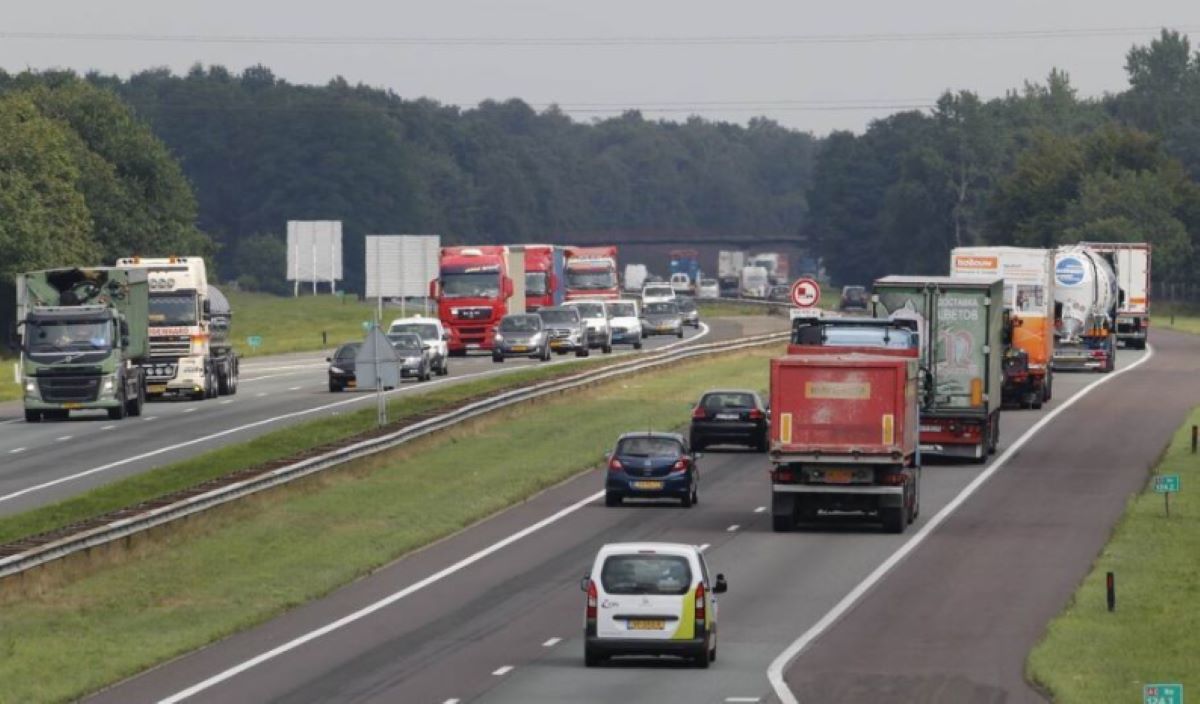 Why Failing to Maintain Dutch Roads, Rail and Waterways Could Stall Growth">

This article reveals the warning that the Netherlands risks economic stagnation unless it rapidly increases spending on the maintenance of wegen, railways, bruggen, cycle paths and waterways.
The coalition of industry voices and the parliamentary appeal
A coalition composed of the Logistics Alliancede Mobility Alliance, the Confederation of the Netherlands Industry and Employers (VNO-NCW) and MKB-Nederland has presented a formal petition to the Dutch House of Representatives ahead of debates on the Ministry of Infrastructure and Water Management budget and the incoming coalition agreement. Their message is blunt: deferred maintenance is already causing real-world disruptions and costs, and the bill will be paid by taxpayers and businesses alike.
What the evidence shows
The national report on the state of infrastructure paints a worrying picture. Hundreds of critical structures are edging toward the end of their service life, and the maintenance backlog is ballooning. Key data points include:
| Indicator | Figure / Trend |
|---|---|
| Structures under restrictions | ~80 subject to weight or clearance limits (2024) |
| Structures needing more frequent inspection | ~100 |
| Projected maintenance deficit to 2038 | €34.5 billion (Dutch Court of Auditors) |
| Annual economic damage from delays (2022) | €1.3–1.6 billion |
| First-step investment requested | €2 billion (with a goal to return to 2% of GDP) |
How deferred upkeep translates into disruption
When bridges must be closed, roads collapse or trains are cancelled, the ripple effects hit every link in the supply chain. Freight arrives late; manufacturers delay production runs; health services sometimes postpone operations due to disrupted supply routes. The result? Higher operational costs, frustrated customers and strained confidence in just-in-time systems. As the saying goes, an ounce of prevention is worth a pound of cure—save a euro today and pay many euros tomorrow.
Logistics-specific consequences
- Ports and corridors: Congestion near major ports and on arterial highways (A2, A1, A15) increases dwell times for containers and pallets, raising costs for shippers and haulage firms.
- Goederenvervoer per spoor: ProRail’s move to a “minimum maintenance” program from 2026 risks more cancellations and capacity cuts for freight trains.
- Inland shipping: Failures in locks, bridges and waterways reduce barge capacity and reliability for bulky and heavy cargo.
- Last-mile and distribution: Cycle path and local road degradation undermines timely courier and parcel delivery in urban areas.
Impacts at a glance
| Logistics Issue | Immediate Consequence | Voorbeeld |
|---|---|---|
| Bridge restrictions | Reduced vehicle weight and height access | Heavy haulage reroutes add hours and fuel costs |
| Rail maintenance cuts | Service cancellations and slower schedules | Container trains delayed to terminal, affecting exports |
| Waterway interruptions | Lower cargo throughput for barges | Bulky shipments diverted to trucks, raising emissions |
Three policy asks: the practical recipe
The alliance’s petition lists three concrete requests for lawmakers to prevent a slide toward costly stagnation:
- Increase structural investment in maintenance and renewals — start with at least €2 billion and aim to restore spending to 2% of GDP for infrastructure.
- Leverage defense-related budgets (such as NATO-standard resources) for dual-use projects that offer strategic and economic value.
- Improve project flow by ensuring predictable, indexed budgets and ramping up implementation capacity so projects move from planning to construction without lengthy stoppages.
Look to Germany — and learn
Germany serves as a cautionary tale: when maintenance is postponed repeatedly, the country faced long closures, multi-billion-euro repair bills and logistical headaches. The Netherlands has the chance to head off that scenario, but it will take political courage and a long-term view. Investing in infrastructure should be seen not as an expense but as an insurance policy for economic stability, safety and accessibility.
What this means for businesses and shippers
For anyone moving goods—be it a small courier handling parcels, a palletized freight forwarder, or a company relocating heavy equipment—predictability is king. Unpredictable closures and restrictions force more expensive routing choices: shifting shipments from barge to truck, splitting loads, or holding inventory for longer. That inflates costs across verzending, vracht en distributie.
Platforms that aggregate carriers and offer flexible options can help firms adapt in the short term. Services that combine office and home moves, bulky-item transport like furniture or vehicles, and standard freight deliveries provide contingency choices when regular corridors are strained. One such marketplace, GetTransport.com, offers affordable global cargo transportation solutions and versatility for moves and bulky cargo needs—helpful for businesses needing fast alternatives.
Highlights and the value of firsthand experience
The key takeaways are clear: maintenance backlogs are rising, delays already cost the economy billions, and action is needed to keep ports and corridors flowing. Still, even the most detailed reports and sincerest reviews can’t beat direct experience. On GetTransport.com, you can order your cargo transportation at the best prices globally at reasonable prices, helping you test different routing and service options without unnecessary expense. The platform’s transparency and convenience let you compare offers and make informed choices—Book the best options now GetTransport.com.com
In short, underfunding infrastructure leads to stalled transport networks and a heavier load on logistics chains. Preventive investment reduces long-term costs and underpins reliable lading, vracht en verzending flows. For shippers, freight forwarders and distribution managers the message is to plan for volatility: diversify routes, budget for contingency, and use transparent platforms to secure dependable haulage when traditional corridors falter.
To wrap up: the Netherlands’ infrastructure deficit threatens mobility, safety and the economy, with direct effects on shipment, delivery and transport chains. Investing now in maintenance and predictable budgeting will protect the movement of containers, pallets and bulky goods, and avoid the heavy costs of reactive repairs. Efficient logistics and forwarding depend on reliable infrastructure—GetTransport.com aligns with this need by simplifying booking for cargo, freight and moving services, offering global, reliable and cost-effective transport solutions for businesses and individuals alike.