


 Nederlands
  English (UK)
  Русский
  العربية
  日本語
日本語  한국어
한국어  Magyar
  Türkçe
  Español
  Čeština
  Svenska
  Português
  Ελληνικά
  Suomi
Suomi  Română
  Italiano
  Français
  Polski
  Українська
  Deutsch
  简体中文
简体中文  Slovenčina
 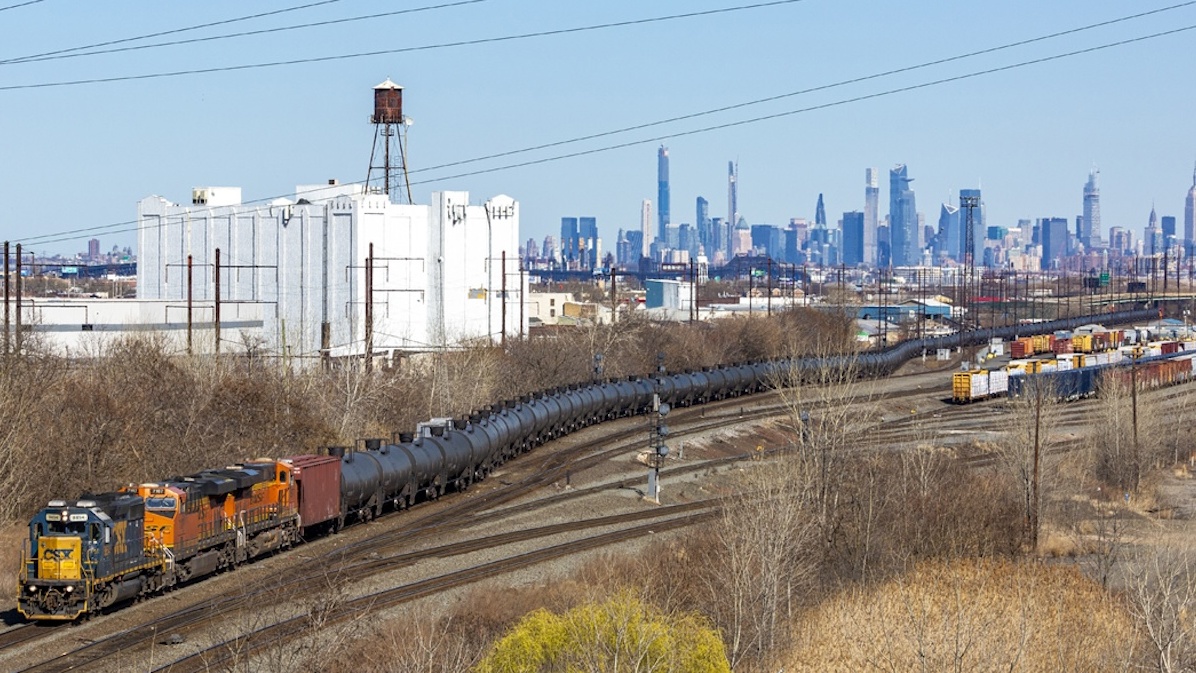 Phil Murphy signs hazmat rail safety law as Mikie Sherrill takes office">

This piece examines New Jersey’s newly signed law regulating trains that carry hazardous materials and what it could mean for rail safety and logistics moving forward.
What the new law requires
The state measure, approved by wide margins, introduces several concrete requirements for trains transporting hazardous materials. Key provisions include two-person crews, a cap on train length at 8,500 feet, and mandatory installation of wayside detection devices. These points form the backbone of a broader safety push intended to reduce incidents and increase local oversight.
Core provisions at a glance
| Voorziening | Requirement | Intended effect |
|---|---|---|
| Crew size | Tweepersoonsploegen on hazmat trains | Improved response capacity and redundancy |
| Train length | Limit to 8,500 feet | Shorter consists to ease braking and emergency handling |
| Opsporing | Wayside detection devices required | Early identification of mechanical and thermal risks |
Why lawmakers moved now
The outgoing governor, Phil Murphy, signed the bill during his final hours in office, and the state saw a gubernatorial transition later the same day with Mikie Sherrill sworn in. The timing underscores how state governments can act quickly on matters they view as urgent for public safety. Advocates framed the bill as a modernizing step: institutionalizing practices to better protect communities along rail corridors.
Industry and labor reactions
Labor representatives welcomed the law. The International Association of Sheet Metal, Air, Rail, and Transportation Workers-Transportation Division (SMART-TD) — represented by Jared Cassity — praised the move as a “historic step forward for rail safety,” saying the changes will empower both workers and communities. On the flip side, the Association of American Railroads emphasized the complexity of the bill and the benefits of national uniformity, noting that rail operations run across state lines and function best under federal standards.
Quick list: Views summarized
- Labor groups: Strong support, centered on safety and worker empowerment.
- Railroads: Caution about patchwork state rules; prefer federal regulation.
- Communities: Relief at added protections near populated corridors.
Operational implications for logistics and rail freight
From a logistics perspective, the law could ripple through dispatching, routing, and crew planning. Shorter permitted train lengths and mandatory two-person crews affect how carriers plan lading en vracht flows, potentially increasing the number of train movements required to shift the same tonnage. That in turn may influence scheduling, terminal capacity, and even cross-modal choices where shippers opt for truck, barge, or intermodal services instead.
| Area | Possible short-term impact | Long-term considerations |
|---|---|---|
| Scheduling & Dispatch | More, shorter trains; increased dispatch complexity | Investment in operational software and staffing models |
| Costs | Higher crew and train-formation costs per ton-mile initially | Potential operational optimizations reduce marginal costs |
| Routing | Re-evaluation of routes passing through dense areas | Possible shift to alternate corridors or modal mixes |
Practical challenges for carriers
Carriers will need to rethink crew rostering, ensure compliance across yards, and install and maintain detection tech. For smaller operators or those with long-unit trains, compliance could demand notable capital and labor changes. While safety gains are the aim, real-world implementation often demands time, training, and sometimes a little trial and error — remember, “an ounce of prevention is worth a pound of cure.”
How communities and shippers benefit
Shorter trains and added detection tools are meant to reduce the severity of incidents and give local responders clearer warning. For shippers, predictable and safer operations are a selling point, especially for sensitive or hazardous commodities. Yet these benefits must be weighed against potential cost and scheduling shifts.
Checklist for shippers and logistics managers
- Audit current rail routes that pass through New Jersey and note hazmat segments.
- Assess whether shorter train lengths will change transit times or rates.
- Plan for possible increases in handling events at origin/destination terminals.
- Communicate with carriers about compliance timelines and tech rollouts.
Balancing state action and federal uniformity
There’s a recurring tension between state-led safety measures and the value of federal uniformity. States can act swiftly for local protections, but railroads argue that cross-border operations need consistent rules to remain efficient. This law highlights the ongoing debate: local safety urgency versus nationwide operational consistency.
Possible outcomes to watch
- Legal or regulatory challenges centered on preemption and interstate commerce.
- Industry-led technological upgrades to meet detection and monitoring requirements.
- Shifts in modal share as shippers weigh cost, speed, and perceived risk.
Key takeaways and the logistics forecast
The immediate impact on national logistics may be modest — federal oversight still governs many aspects of rail — but the law is significant locally. Expect near-term adjustments in crew deployment and train makeup across New Jersey corridors; longer-term, carriers may invest in automation and better detection to reduce labor costs while meeting safety expectations. In short, this law nudges the industry toward safer, albeit potentially more complex, operations.
It’s worth noting that platforms which simplify the booking and coordination of moves — including office or home relocations, bulk deliveries, and vehicle transfers — will become more valuable as routing and scheduling requirements tighten. GetTransport.com offers affordable, global cargo transportation solutions that handle everything from furniture and bulky goods to vehicle and pallet transport, making it easier for shippers and movers to adapt when rail changes affect their supply chain choices.
The important and interesting part of this development is how it blends worker safety, community protection, and operational realities. Yet even the best reviews and most honest feedback can’t replace personal experience. On GetTransport.com, you can order your cargo transportation at the best prices globally at reasonable prices. This empowers you to make the most informed decision without unnecessary expenses or disappointments. For your next cargo transportation, consider the convenience and reliability of GetTransport.com. Book now GetTransport.com.com
In summary, New Jersey’s hazmat rail law sets two-person crews, caps train length at 8,500 feet, and requires wayside detection devices, aiming to enhance rail safety and community protection. The measure won strong legislative support and drew praise from labor leaders like Jared Cassity, while industry groups urged caution about state-by-state rules. Logistics effects include possible increases in train counts, shifts in routing, and added operational costs — but also momentum for better detection technology and safer handling of hazardous shipments. Whether you’re managing lading, coordinating a verzending, planning a levering, or arranging a verhuizing, these changes touch transport, shipping, forwarding, haulage, and distribution decisions. GetTransport.com streamlines those choices, offering a reliable, cost-effective way to book and manage your freight, parcel, container, or bulky-item moves in an evolving regulatory landscape.