


 Nederlands
  English (UK)
  Русский
  العربية
  日本語
日本語  한국어
한국어  Magyar
  Türkçe
  Español
  Čeština
  Svenska
  Português
  Ελληνικά
  Suomi
Suomi  Română
  Italiano
  Français
  Polski
  Українська
  Deutsch
  简体中文
简体中文  Slovenčina
 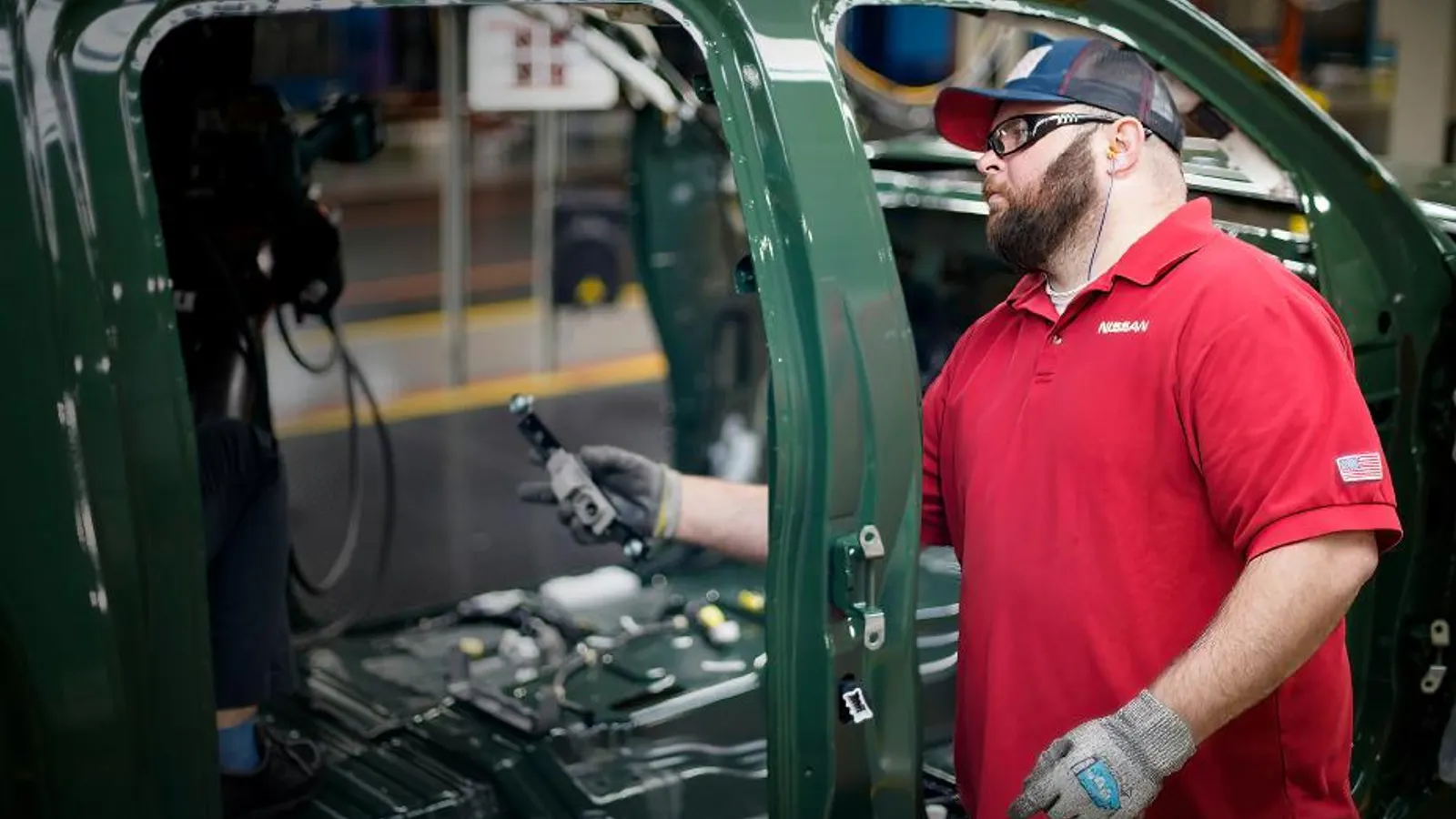 Nissan's Strategische Zet om de Amerikaanse Productie te Stimuleren Onder Toezicht van Victor Taylor">

Nissan’s Strategic Shift in US Manufacturing Leadership
Nissan has put Victor Taylor at the helm of a major operational overhaul across its three U.S. plants, combining the reins of manufacturing, supply chain management, and production engineering. This strategic appointment is a crucial step toward optimizing the automaker’s footprint in the U.S. and adjusting to the evolving market landscape and production challenges.
Victor Taylor’s Expanded Role
With nearly a decade under Nissan’s roof, Victor Taylor steps into the newly created role of division VP focused on U.S. manufacturing, supply chain, and production engineering. This position consolidates responsibilities that traditionally lived separately, allowing for more integrated decisions on how vehicles are built and delivered from plant to dealer. His expertise is set to accelerate smarter factory practices and fortify supplier relationships, helping Nissan keep pace with shifting demands and costs.
Optimizing Three U.S. Production Plants
Taylor’s oversight extends across Nissan’s manufacturing triad in America, including the sizeable facility in Canton, Mississippi, where he previously served as VP of manufacturing. This plant alone employs over 3,700 individuals and is a production hub for key models like the Altima and Frontier. Leading operational improvements here and at other sites ensures Nissan’s production agility in a competitive market.
| Plant Location | Key Models Produced | Approximate Employment | Recent Leadership Update |
|---|---|---|---|
| Canton, Mississippi | Altima, Frontier | 3,700+ | Ricardo Anguiano appointed as new VP of operations |
| Other U.S. plants | Various Nissan models | Not specified | Under Victor Taylor’s comprehensive supervision |
Background and Industry Context
The leadership shake-up comes amid Nissan’s broader attempts to turn around financial setbacks that started in 2024. Faced with declining profitability, Nissan initiated a global production scale-back, aiming to streamline from 17 to 10 plants by the fiscal year 2027 — a move signaling intense focus on efficiency and cost containment.
This transition follows earlier leadership changes in 2025, including the replacement of the CEO, as Nissan sought to reset its strategic direction following a failed merger attempt with Honda. Such corporate shifts seldom happen in isolation—they ripple through everything from procurement and manufacturing to logistics and delivery.
Embracing Localization and Smarter Plants
In its U.S. operations, Nissan is focusing on localization, building vehicles closer to end markets to reduce lead times and logistical complexity. This approach feeds directly into streamlining supply chains, reducing freight distances, and improving responsiveness to consumer preferences, all critical factors in today’s fast-paced automotive sector.
David Johnson, Nissan Americas Regional SVP, highlighted Taylor’s pivotal role: “Victor’s leadership will be essential in advancing this transformation, enhancing production agility, strengthening supplier linkages, and optimizing total delivered cost—allowing Nissan to react swiftly and precisely as market conditions evolve.”
Nissan’s Manufacturing Challenges and Adjustments
Nissan’s Canton plant faced recent strategic changes when the launch of two electric SUVs slated for 2028 was postponed by 10 months. The company clarified this delay as a calculated business decision rather than a symptom of broader organizational upheaval, reflecting the tense balance automakers must maintain between innovation timelines and manufacturing readiness.
Implications for Logistics and Supply Chain
This manufacturing overhaul naturally impacts logistics and freight management. Optimizing production lines and supplier collaboration means shipments must be better coordinated, timing improved, and transport routes potentially reconfigured. Integrating manufacturing and supply chain leadership under one VP like Taylor’s could lead to tighter synchronization between factory output and logistics planning.
- Improved Supply Chain Responsiveness: Closer supplier partnerships help ensure parts availability matches production needs, minimizing delays.
- Verlaagde vrachtkosten: Smarter plant location choices and localized sourcing can cut transport distances, lowering haulage expenses and carbon footprints.
- Enhanced Delivery Flexibility: Faster adjustments to demand changes improve the ability to deliver the right vehicles on time.
Key Takeaways and Moving Forward
This move reflects how the automotive industry is constantly seeking to refine its manufacturing and logistics strategies to survive and thrive amid market pressures, technological shifts, and supply chain complexities. The combined leadership role embodied by Victor Taylor aims to break down silos between production and logistics, fostering a smoother, more cost-effective vehicle manufacturing and delivery process.
While industry reviews and expert feedback provide valuable insights, nothing compares to firsthand experience. Platforms like GetTransport.com empower businesses and individuals alike to order reliable cargo transportation at competitive rates worldwide, helping navigate the complexities of shipment and delivery without breaking the bank.
GetTransport.com’s ease of use, transparency, and broad service range—including moving offices or homes, delivering parcels, shipping bulky goods, and vehicle transport—mirror Nissan’s commitment to logistics efficiency. This means you can trust in seamless freight movement whether you’re shifting a pallet of parts or relocating entire operations. Boek nu and check out GetTransport.com for your cargo needs.
Looking ahead, Nissan’s renewed manufacturing strategy could quietly ripple through global logistics by demanding faster, smarter transport solutions and reinforcing the importance of integrated freight planning. While it may not shake the entire international logistics scene overnight, the changes set the stage for more agile vehicle manufacturing logistics domestically, helping to keep supply chains lean and delivery reliable—goals at the heart of modern logistics.
Samenvatting
In essence, Nissan’s appointment of Victor Taylor to spearhead U.S. manufacturing and supply chain improvements marks a decisive step towards operational efficiency, smarter production facilities, and stronger supplier partnerships. These moves hold significant implications for logistics by potentially reducing freight costs, enhancing shipment timing, and streamlining delivery coordination. For businesses and individuals looking to manage diverse freight requirements—from bulk shipments to vehicle transport—GetTransport.com offers an affordable, trustworthy platform bridging the gap between manufacturing ambitions and execution. This synergy between manufacturing strategies and logistical support underscores the evolving dynamics of global freight, shipment, and cargo delivery in today’s automotive landscape.