


 Nederlands
  English (UK)
  Русский
  العربية
  日本語
日本語  한국어
한국어  Magyar
  Türkçe
  Español
  Čeština
  Svenska
  Português
  Ελληνικά
  Suomi
Suomi  Română
  Italiano
  Français
  Polski
  Українська
  Deutsch
  简体中文
简体中文  Slovenčina
 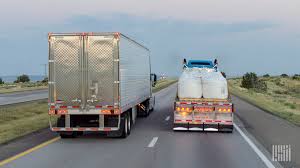 Assessing Highway Safety and Non-Domiciled CDL Drivers: Facts, Figures, and the Influence of Social Buzz">

Unraveling the Truth Behind Non-Domiciled CDL Drivers and Road Safety
The topic of highway safety often circles around discussions on non-domiciled CDL (Commercial Driver’s License) holders. Are they truly a higher risk to public roads, or is this simply a story driven by viral videos and social media hype? This piece dives into what the numbers actually say — and more importantly, what they don’t — providing clarity for logistics professionals and anyone interested in freight transport safety.
The Social Media Echo Chamber: Amplifying Perception Over Reality
It’s no secret that a sensational crash video involving a newly licensed driver can rack up millions of views overnight. The catch here: visibility doesn’t equal frequency. When a single incident blows up online, many jump to conclusions linking such events to “illegal” or non-domiciled drivers before any official verification is even available. This flood of assumptions snowballs into a narrative that might bear little resemblance to the broader reality of over 800,000 active CDL holders nationwide.
Social media operates on a simple equation: the louder the voice, the more authority it gains. The problem is, this highly visible minority can skew public opinion, leading to misconceptions that non-domiciled CDL holders are disproportionately causing crashes. Truck drivers themselves feel the impact; while a story with 50 views is a mere blip, one with 5 million views can influence everything from workplace trust to policy discussions.
What the Data Actually Tell Us
Sorting through the noise, here’s what the federal crash data reveal:
- Crash rates have generally been on the decline since 2021.
- The issuance of non-domiciled CDLs (NDCDLs) has seen an increase since 2019.
- The trends of crash rates and NDCDL issuance do not line up in a way that signals an emerging crisis.
Yet, here’s where the fuzziness sets in — data limitations mean we cannot categorically say if NDCDL drivers are more or less safe, nor whether immigrant drivers contribute disproportionately to crash statistics, or if fraud in CDL issuance correlates with increased risk on the highways.
So, when you encounter claims blaming immigrant or non-domiciled CDL holders for rising crash rates, the best response is to ask for hard data — because simple as it sounds, that data largely does not exist.
Summary Table: What Can and Cannot Be Confirmed About Non-Domiciled CDL Drivers and Crash Data
| Knowns (Based on Current Federal Data) | Unknowns (Due to Lack of Specific Data) |
|---|---|
| Crash rates are decreasing since 2021. | Whether NDCDL holders are safer or more dangerous. |
| NDCDL issuance has risen since 2019. | Correlation between immigrant CDL drivers and crash prevalence. |
| No present evidence of a crisis linked to NDCDL drivers. | Impact of fraud cases on actual crash risks. |
The Debate Beyond Numbers
The continued discussion around non-domiciled CDL holders reflects more than just numbers. It’s a powder keg fueled by factors such as:
- Trust between drivers, regulators, and the public
- Industry identity and sense of belonging
- Frustration within a highly competitive freight market
- The patchy landscape of state-level oversight
- Real instances of fraud shaking confidence
- The rapid, often unchecked spread of information on social platforms
Truck drivers have plenty of reason to seek answers—they work amid growing pressures and scrutiny. Viral videos that seem to confirm concerns about licensing standards can intensify these worries. Still, the essential task remains separating gut feelings from measurable reality, something the available federal data currently struggle to deliver.
Why Data Limitations Are the Real Challenge
One of the core issues is the absence of a federal system capable of linking crash data with driver specifics such as citizenship or domicile status. While states keep records of CDL issuance, and national bodies track overall crash numbers, there’s no unified, transparent method to connect these dots definitively. Here’s what’s currently missing:
- Crash statistics linked to driver citizenship or NDCDL status
- A comprehensive federal audit of state-level CDL processes
- Transparency in testing pass rates broken down by demographic group
- Federal reports on safety performance tied to CDL origins
Until these data gaps are plugged, debates often descend into anecdote and argument by volume—where the loudest voice, rather than the best evidence, drives the conversation.
Challenges in Crash Data and Oversight – Key Points
- Existing state systems lack centralized integration.
- Absence of detailed demographic crash analytics.
- Social media intensifies misinformation due to viral content.
- Legitimate fraud cases fuel mistrust but don’t establish trends.
How This Matters for the Logistics and Freight Industry
For logistics professionals, understanding this complex picture is crucial. Decisions about hiring, training, and route planning benefit from data grounded in fact rather than rhetoric. Misplaced assumptions about driver safety based on nationality or license origin can disrupt staffing and impact carrier reputation. The freight industry thrives on reliability and trust, so clarity and transparency in these matters aren’t just bureaucratic niceties—they’re vital to safe and efficient vrachtlevering, verzending planning, and overall logistiek management. Platforms like GetTransport.com recognize these nuances, helping businesses navigate shipping and transportation needs affordably and globally, without falling prey to unfounded fears or misinformation.
Looking Ahead: The Importance of Personal Experience and Informed Choices
While reviews and honest feedback do provide valuable perspective, they can never fully replace firsthand experience on the road. On a platform like GetTransport.com, customers access extensive options for international and local freight dispatch, with transparent pricing and reliable services at competitive rates. This transparency helps buyers and shippers cut through the noise, avoid unnecessary expenses, and beat disappointment at the doorstep.
Whether moving offices, delivering bulky goods, or transporting vehicles, the convenience, affordability, and service variety on GetTransport.com allow you to make smart, data-informed decisions without having to worry about the chatter—and all while keeping logistics smooth and stress-free. Book now at GetTransport.com and experience the difference.
Forecasting the Impact on Global Logistics
Although the direct effect of the ongoing debate about non-domiciled CDL holders on the wider global logistics network might be limited, the conversation remains significant in maintaining industry standards and awareness. GetTransport.com aims to keep pace with such developments, ensuring users benefit from up-to-date, efficient, and compliant transport services. Start planning your next delivery and secure your cargo with GetTransport.com.
Conclusie
In a nutshell, the spotlight on non-domiciled CDL drivers and highway safety underscores a critical gap in the federal tracking and analytical infrastructure. While anecdotal stories and viral clips grab eyeballs, the current data do not support any definitive claim about increased risk from these drivers. Until more robust, transparent data systems are in place, it remains impossible to draw conclusive correlations.
For professionals managing freight forwarding, haulageen distributie, understanding this nuance is paramount. Thankfully, platforms like GetTransport.com facilitate a smoother journey—from office or home verhuizing to bulky pakket en container transport—by providing reliable, cost-friendly options worldwide. This ensures that, despite uncertainties in some data areas, logistics can remain efficient, safe, and well managed.