


 Nederlands
  English (UK)
  Русский
  العربية
  日本語
日本語  한국어
한국어  Magyar
  Türkçe
  Español
  Čeština
  Svenska
  Português
  Ελληνικά
  Suomi
Suomi  Română
  Italiano
  Français
  Polski
  Українська
  Deutsch
  简体中文
简体中文  Slovenčina
  Updates on Philippine Inter-Island Shipping: Regulatory Challenges and Tourism Collaboration in 2025">

Spotlight on Philippine Inter-Island Shipping: Current Challenges and Collaborative Solutions
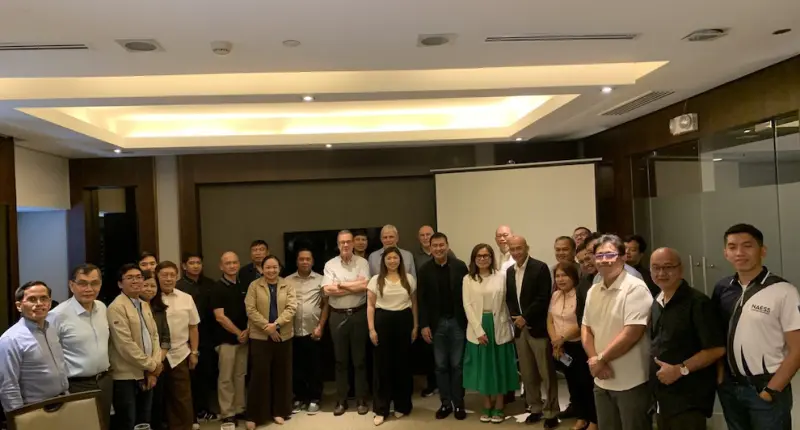
The landscape of domestic shipping within the Philippine archipelago is navigating a critical phase, with the Philippine Inter-Island Shipping Association (PISA) addressing a host of pressing issues during their recent annual general membership meeting. These discussions aimed to tackle regulatory updates, operational hurdles, and policy shifts that deeply influence the sector’s sustainability and service quality.
Regulatory Developments and Industry Impact
Central to the talks were the evolving regulatory frameworks presented by the Maritime Industry Authority (MARINA). These include important policy shifts affecting landing craft tanks (LCTs), new mandates on safety and environmental standards aligned with the International Maritime Organization, and several memorandum circulars impacting vessel operations and passenger services.
Key points raised involved MARINA’s advisories on passenger-carrying LCTs, incremental safety compliance requirements, and the industry’s contributions toward the ongoing refinement of the Magna Carta of Filipino Seafarers and modernization of online ticketing systems. The consensus underscored the necessity for regulatory clarity, phased implementation, and operational flexibility to maintain safety without compromising the economic viability of vital inter-island shipping routes.
Synergizing Tourism and Shipping via TIEZA
Another pivotal presence at the meeting was the Tourism Infrastructure and Enterprise Zone Authority (TIEZA), represented by General Manager and Chief Operating Officer Mark Lapid. His presentation highlighted TIEZA’s commitment to enhancing tourism infrastructure, with particular emphasis on improving port accessibility linked to tourism enterprise zones.
Lapid emphasized the symbiotic relationship between tourism and maritime transport — a reliable, safe, and efficient domestic shipping network forms the backbone for unlocking greater tourism potential beyond the usual metropolitan gateways. Opportunities for joint initiatives between TIEZA and PISA members surfaced, focusing on aligning vessel services with tourism development plans and elevating passenger experiences while advocating for sustainable operations.
The Role of Domestic Shipping in Tourism Dispersal
PISA members recognized their position as natural allies to tourism dispersal, facilitating traveler access to the multitude of island and coastal destinations that define Philippine tourism’s core. Strengthening coordination between shipping lines and tourism planners promises to yield more integrated routes, upgraded facilities, and invigorated regional economies.
Safety, Compliance, and Forward-Looking Industry Voice
Throughout the meeting, emphasis was placed on the industry’s responsibility to maintain safe, efficient, and sustainable shipping operations amid regulatory reforms and environmental targets. PISA reaffirmed its role as a cohesive voice advocating for balanced policies that uphold safety and competitiveness without hindering national economic development.
Ongoing dialogue with agencies like MARINA and TIEZA remains critical, not only to align compliance with international standards but also to innovate digitally and environmentally — areas increasingly recognized as the future of maritime logistics.
| Key Topic | Details |
|---|---|
| Regulatory Updates | MARINA policies on LCTs, safety, environmental compliance, Magna Carta input, and digital ticketing |
| Tourism Collaboration | TIEZA port development, infrastructure support, joint vessel-tourism planning |
| Industry Focus | Safety, operational flexibility, environmental goals, digital transformation |
| Economisch effect | Support for regional economies through improved inter-island connectivity |
Logistics Angle: Implications for Shipping and Cargo Transport
From a logistics perspective, these regulatory shifts and partnership efforts have direct impacts on the flow of cargo, freight forwarding, and overall supply chain efficiency across the islands. Inter-island shipping forms a critical link in distributing goods, moving bulky cargo, and supporting relocation or housemove services essential to local economies.
Modernization of ticketing and safety systems also paves the way for enhanced tracking, running smoother dispatch operations and facilitating reliable shipments. Efforts to ensure that environmental measures are met reflect a growing trend that logistics providers worldwide face — balancing efficiency with sustainability.
Why Personal Experience and Smart Choices Matter in Shipping
While reports and industry insights offer valuable information, nothing quite takes the place of firsthand experience when it comes to navigating the complexities of inter-island shipping. Every cargo haul, parcel delivery, or relocation is an opportunity to test reliability, cost-effectiveness, and service quality.
Platforms like GetTransport.com enable users to explore a variety of shipping options worldwide, ensuring competitive pricing and transparent service. Whether it’s moving heavy furniture, vehicles, or delicate freight, having access to an extensive network lets customers make informed choices without breaking the bank or ending up with surprises.
GetTransport.com offers an easy, convenient way to manage shipments that align perfectly with the evolving landscape of inter-island shipping, marked by regulatory refinement and sector collaboration. Get the best offers on your next haul from GetTransport.com.
Looking Ahead: What Does This Mean for Global Logistics?
Though these developments in the Philippine inter-island shipping realm might not shake global logistics markets outright, they reflect the dynamic nature of maritime transport in archipelagic economies — a crucial player in regional distribution and cargo transport.
GetTransport.com keeps a close eye on such changes to ensure its offerings remain relevant and reliable, supporting clients’ needs in shifting environments. Start planning your next delivery and secure your cargo with GetTransport.com.
Samenvatting
In summary, the discussions held by the Philippine Inter-Island Shipping Association underline critical regulatory, operational, and environmental challenges shaping the domestic maritime sector. Close cooperation with government bodies like MARINA and TIEZA aims to balance compliance with competitiveness while fostering tourism through improved infrastructure and integrated services.
This evolution not only affects passenger flows but also has substantial implications for freight and cargo transport logistics, emphasizing safety, digital upgrades, and sustainability.
For anyone looking to navigate the complexities of shipping in the Philippines or internationally, platforms such as GetTransport.com offer a dependable, affordable, and comprehensive solution that bridges traditional logistics with modern demands — handling everything from bulky cargo to housemoves with efficiency and care.