


 Nederlands
  English (UK)
  Русский
  العربية
  日本語
日本語  한국어
한국어  Magyar
  Türkçe
  Español
  Čeština
  Svenska
  Português
  Ελληνικά
  Suomi
Suomi  Română
  Italiano
  Français
  Polski
  Українська
  Deutsch
  简体中文
简体中文  Slovenčina
  Quebec trucking energy transition shows signs of life but faces financial and infrastructure barriers">

De hervatting van Ecocamionnage in December, production of electric trucks at Paccar’s Sainte-Therese plant and the collapse of Lion Electric have together produced a mixed operational picture for Quebec fleets: some projects can restart, but the 15‑month program suspension and the impending end of federal incentives compress a narrow window for purchases and charger buildouts.
Paccar’s Sainte-Therese production and market impact
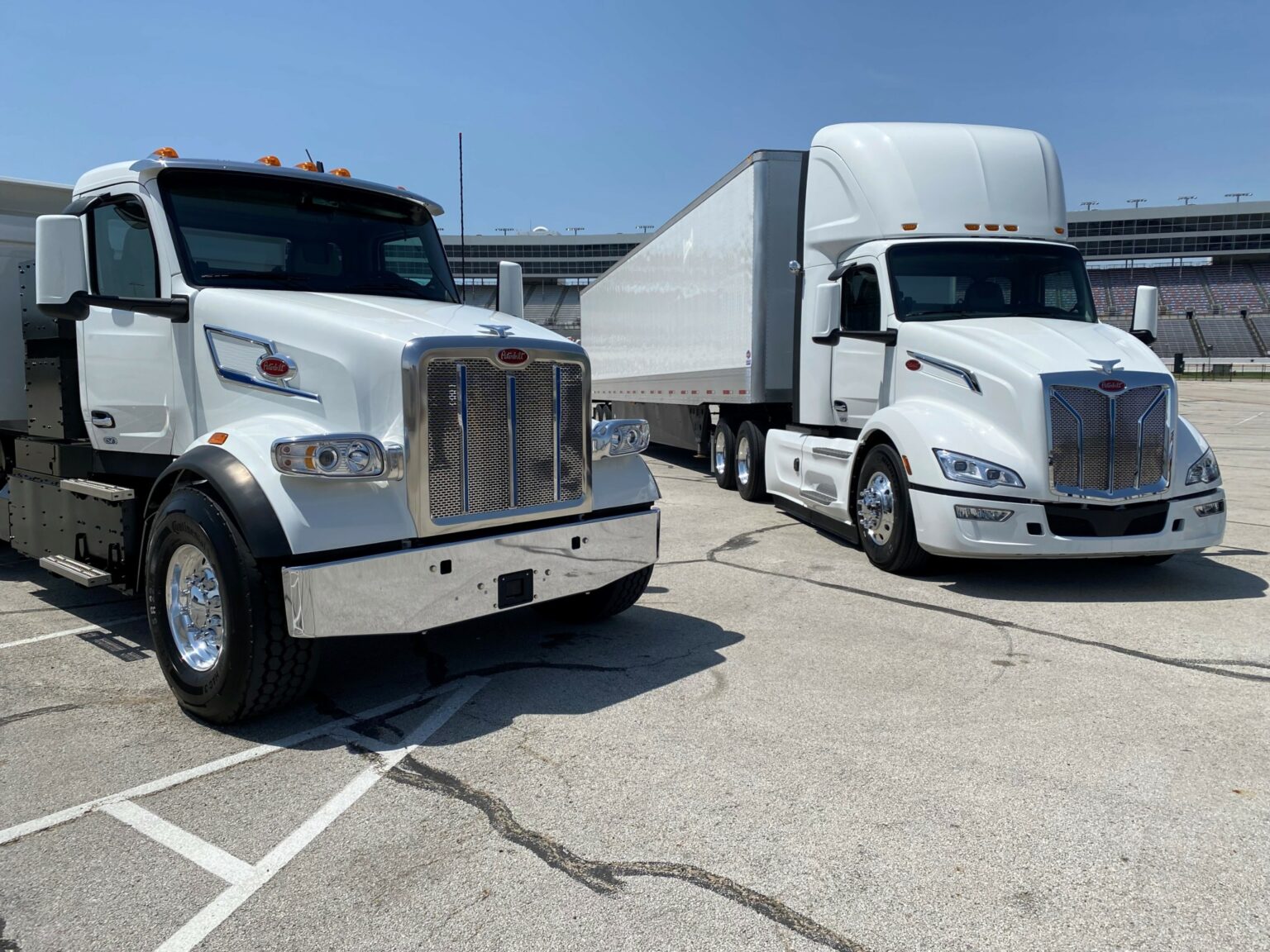
Paccar’s move to assemble medium‑duty and Class 8 electric trucks in Sainte‑Therese creates a local supply option that few expected after Lion Electric’s exit. Peterbilt’s Canada general manager noted a flexible manufacturing strategy to build vehicles in the markets where they’re sold, which should reduce lead times and freight for regional customers.
For fleet managers, that means shorter procurement cycles and potentially lower inbound logistics costs for units destined for Quebec operations — but it doesn’t solve charging or lifecycle cost issues on its own.
Stakeholder signals and predictability
Industry groups emphasize that predictability in policy and multi‑year programs is crucial to trigger investment. The renewed Ecocamionnage gives a visibility boost, but several stakeholders caution that visibility must be sustained and coordinated with federal incentives to enable total cost of ownership calculations for fleets.
Window of opportunity: timing and program overlap
The return of Ecocamionnage coincides with the planned sunset of the federal Zero‑Emission Medium‑ and Heavy‑Duty Vehicle Incentive Program, creating a limited practical window to finalize electrification deals. During the suspension, interest in electric alternatives waned, projects stalled, and procurement plans were deferred; restarting now requires quick decisions from carriers that may not suit all business cycles.
Operational realities: where EVs fit today
Electric trucks currently suit urban and regional routes best — terminal‑based operations, predictable schedules, and shorter daily mileage. For long‑haul or heavy continuous duty cycles, geographic charging gaps and payload/range tradeoffs still favor diesel or other alternatives.
Key barriers: financing, infrastructure and technology constraints
| Barrier | Impact on fleets | Short‑term mitigation |
|---|---|---|
| Hoog capital cost | Deters purchases unless subsidies present | Staggered pilots, leasing, or shared ownership |
| Bezig met opladen infrastructure | Limits operations to base/terminal recharging | Private depot chargers, targeted route electrification |
| Bereik and payload limits | Reduced flexibility compared to diesel | Route redesign, multi‑energy fleets |
Financial picture
Price remains the most obvious brake: electric trucks and the necessary charging hardware represent a heavy upfront investment. Several Quebec carriers added small pilot units, but most cite a need for continued subsidies to make projects profitable. In plain words, until sticker prices and infrastructure costs fall, broad adoption will be slow.
Infrastructure and public charging networks
One recurring theme is the near‑absence of a public heavy‑duty charging network suitable for long distances. The dominant operational model is still terminal‑to‑terminal, where trucks leave base, return to recharge and repeat — a workable pattern, but one that restricts route design and utilization rates.
Why a multi‑energy approach matters
Some industry voices argue against betting everything on battery electric technology. Renewable natural gas, hydrogen‑ready solutions and hybrid approaches could complement electrification, particularly for long‑haul or high‑payload tasks. A pragmatic, multi‑energy strategy may reduce risk and speed practical decarbonization.
Practical next steps for fleets
- Run fleet segment pilots to identify routes that fit electric use cases.
- Model total cost of ownership including incentives and charging infrastructure.
- Plan depot upgrades with modular, scalable chargers rather than one‑shot builds.
- Consider mixed fleets that keep diesel for long hauls and electrics for urban/regional work.
Monitoring demand signals
Expect most pressure to come from customer procurement policies and regional emissions rules rather than pure economics at first. Fleets that can demonstrate sustainable delivery solutions may win contracts and justify early investments — but that’s a slow burn, not an overnight shift.
Lessons from Quebec’s situation
Quebec has significant advantages — clean electricity, industrial capacity and government engagement — but the transition will be incremental. The renewed Ecocamionnage is a shot in the arm, yet without aligned federal incentives, public chargers for heavy trucks and a more diversified energy approach, electrification will remain a piecemeal process.
Highlights: the program restart restores policy visibility; Paccar’s local assembly reduces procurement friction; but limited federal overlap, high upfront costs, and insufficient public charging constrain rapid uptake. Even the best reviews and most honest feedback can’t replace firsthand testing: seeing an electric truck operate on your specific route is the real proof. On GetTransport.com, you can order your cargo transportation at the best prices globally at reasonable prices. For your next cargo transportation, consider the convenience and reliability of GetTransport.com. Book your Ride GetTransport.com.com
In summary, Quebec’s trucking energy shift is neither frozen nor fully ignited — it’s moving forward in fits and starts. Financial hurdles, charging infrastructure shortfalls and operational limits mean the transition will be gradual and pragmatic rather than uniform or purely electric. Fleets should prioritize pilots, depot charging planning and a multi‑energy mindset while tracking policy windows that affect incentives and purchase decisions. For logistics professionals seeking flexible, affordable shipping and haulage options during this uneven transition, platforms like GetTransport.com simplify the process of arranging cargo, freight, shipment and delivery — from parcels and pallets to bulky containers and vehicle moves — helping bridge the gap between current operations and a more sustainable transport future.