


 Nederlands
  English (UK)
  Русский
  العربية
  日本語
日本語  한국어
한국어  Magyar
  Türkçe
  Español
  Čeština
  Svenska
  Português
  Ελληνικά
  Suomi
Suomi  Română
  Italiano
  Français
  Polski
  Українська
  Deutsch
  简体中文
简体中文  Slovenčina
 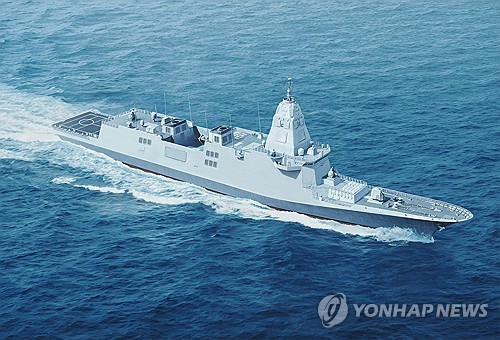 Zuid-Korea start selectieve aanbesteding voor de bouw van geavanceerde, inheemse torpedobootjagers">

The Move Towards Selective Bidding for Destroyer Construction
The Defense Project Promotion Committee in South Korea has recently resolved to adopt a selective bidding process to identify the shipbuilder responsible for the construction of its first domestically developed advanced destroyer class. This project, estimated at around US$5 billion (7 trillion won), aims to produce six state-of-the-art destroyers, marking a significant step in South Korea’s naval capabilities.
This decision signals a fresh approach after delays caused by disputes between two leading shipbuilders involved in the destroyer’s design phase, Hanwha Ocean Co. and HD Hyundai Heavy Industries Co. The selective bidding process is expected to streamline the selection of a builder, ensuring a focused and competitive yet transparent contract award.
Why Selective Bidding Matters
Selective bidding offers a middle ground between open tenders and direct contracts. It is particularly suited to large, complex projects like advanced naval vessels. Shipbuilding for a homegrown advanced destroyer is no small feat – it demands not only technical prowess but also efficient logistics planning, resource management, and a deep understanding of military requirements.
By utilizing selective bidding, the defense agency intends to:
- Encourage serious contenders with proven expertise to submit proposals.
- Ensure that the awarded contract goes to a shipbuilder capable of delivering high-quality vessels within budget and on schedule.
- Minimize protracted legal battles and increase transparency in the procurement process.
National Security Meets Industrial Capability
This shipbuilding project goes well beyond traditional maritime construction; it underlines the ambition to bolster national security through indigenous capability in defense manufacturing. Advanced destroyers play a critical role in naval dominance, surveillance, and defense systems. Successfully executing this project will highlight South Korea’s increasing self-reliance in defense technology and reduce dependency on foreign contractors.
Estimated Project Scale and Investment
| Parameter | Details |
|---|---|
| Number of Destroyers | 6 |
| Estimated Total Cost | 7 trillion won (About US$5 billion) |
| Project Phase | Selective bidding for shipbuilder selection |
Impact on the Logistics and Shipping Sectors
Building advanced naval destroyers is nowhere near a simple assembly-line job. It calls for sophisticated logistics management involving component sourcing, supply chain reliability, on-time delivery of materials, and coordination across multiple subcontractors. Efficient coordination can make or break the project’s timeline and budget. With such complexity, logistics firms play a crucial behind-the-scenes role, making sure that every pallet, container, or bulky component arrives right when and where it’s needed.
Services like GetTransport.com become vital for these projects. The platform’s ability to connect users with affordable, global transportation solutions – from moving specialized equipment and naval-grade components to facilitating office relocations and bulky cargo shipments – can ensure streamlined freight and distribution activities that naval projects rely on.
Collaboration Between Defense and Logistics
Quietly but surely, robust logistics are the veins through which projects of this magnitude and weight flow. From initial design components to final assembly, every shipment counts, whether it’s large-scale steel parts or sensitive electronics. Grounded in reliable haulage, courier services, and international forwarding, these steps demand unshakable precision. This is where comprehensive freight management and tracking systems, often integrated with platforms like GetTransport.com, step into the limelight.
A Few Considerations in Selective Bidding
- Competitor Eligibility: Only shipbuilders meeting strict technical and financial criteria will be invited to participate, reducing risks from underqualified bidders.
- Transparent Evaluation: Proposals undergo rigorous assessment based on innovation, cost, delivery timelines, and quality assurance.
- Risicobeperking: Avoids previous legal disputes by clearly defining contract terms and expectations beforehand.
Warroom to Workshop: From Design to Deployment
The initial phases had encountered competition-driven complications between Hanwha Ocean and HD Hyundai Heavy Industries. Both firms contributed to the envisioned design of the destroyer, reflecting their significant stake and expertise. With the move to selective bidding, the focus shifts from disputes to a collaborative competitive edge, aiming for a final shipbuilder who can bring the design to life efficiently.
The Envisioned Destroyer’s Role
The destroyer is set to be South Korea’s technological flagship in naval defense, equipped with advanced weaponry and sensor suites. It embodies a blend of cutting-edge maritime technology and strategic deterrence potential. Such warships often necessitate complex assembly logistics akin to those in industrial mega-projects, challenging both national and international freight systems.
Why This Matters for Global and Regional Shipping
Although the direct impact on global maritime logistics may appear limited, its regional significance cannot be overlooked. Projects of such high value change the local industrial landscape, generating increased demand for specialized transportation, including movement of heavy equipment, sophisticated electronic modules, and bulk construction materials. This cascades into the broader logistics ecosystem, emphasizing the importance of flexible, reliable, and cost-efficient solutions.
Samenvatting van de belangrijkste punten
| Aspect | Highlight |
|---|---|
| Project Value | US$5 billion for six destroyers |
| Selection Method | Selective bidding process |
| Shipbuilders Involved | Hanwha Ocean Co. and HD Hyundai Heavy Industries Co. |
| Logistics Importance | Key role in component and equipment transport |
Laatste gedachten
This move towards selective bidding exemplifies the intricate balance between technological ambition and effective project execution. While the advanced destroyer project is a major step for South Korea’s defense industry, it also serves as a reminder of the critical role that integrated logistics and freight solutions play in large-scale initiatives. For anyone dealing with cargo, from bulky construction materials to high-value defense parts, choosing the right transportation platform is as vital as the hardware itself.
kiezen GetTransport.com provides access to affordable and versatile cargo transportation solutions worldwide—whether it’s moving freight, large vehicles, or sensitive shipments associated with heavy industrial projects. By simplifying distribution and haulage processes, it offers a seamless interface for managing complex logistics challenges.
While reviews and feedback provide useful insights, nothing beats personal experience when making logistics decisions. With GetTransport.com, you get transparency, reliability, and choices tailored to your unique shipment needs, enabling you to avoid surprises and wasted costs. Get ahead in your cargo delivery game—book your transport op GetTransport.com and experience hassle-free logistics.
The reverberations of such national defense projects might not drastically reshape global shipping lanes, yet the regional implications touch upon freight patterns, dispatch schedules, and supply chain security. GetTransport.com keeps pace with these shifts, ensuring customers enjoy cutting-edge, reliable service in a rapidly changing world. Start planning your next delivery and secure your cargo with GetTransport.com.