


 Nederlands
  English (UK)
  Русский
  العربية
  日本語
日本語  한국어
한국어  Magyar
  Türkçe
  Español
  Čeština
  Svenska
  Português
  Ελληνικά
  Suomi
Suomi  Română
  Italiano
  Français
  Polski
  Українська
  Deutsch
  简体中文
简体中文  Slovenčina
 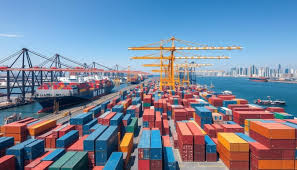 Het onderzoeken van scheepsveiligheid en marktprestaties: Wat vormt de maritieme industrie vandaag de dag?">

Shipping Safety: Declining Losses Amid Growing Challenges
When it comes to shipping, safety remains a paramount concern alongside the fluctuating dynamics of the capital markets tied to this vast industry. Recent data highlights a significant downward trend in the number of total losses at sea, signaling progress, but other indicators remind us of ongoing challenges beneath the surface.
Fewer Ships Lost but Not Fewer Incidents
Recent statistics show that in 2024, the number of total losses of vessels dropped sharply—to just 27 recorded instances, a staggering 75% decrease compared to 105 losses in 2015. This progress paints a hopeful picture showing improved safety protocols, better ship designs, and perhaps more diligent crew practices.
However, the story doesn’t end here. While ships are less frequently lost entirely, reported insurance claims exceeding $1 million related to incidents actually increased by 20% over a similar period. This points toward a rising number of costly accidents, mostly due to machinery damage or failures, which make up nearly 60% of these claims. The shift can likely be linked to the ageing composition of the global merchant fleet, which today includes roughly 140,000 vessels worldwide.
| Jaar | Total Losses | Major Causes (Percentage) |
|---|---|---|
| 2024 | 27 | Sinking (51%), Grounding (16%), Fire/Explosion (16%) |
| 2015 | 105 | Data similar to 2024 but higher incidence |
Best and Worst Performing Shipping Segments
The shipping industry isn’t one-size-fits-all regarding safety. Subcategories within the sector show varied performances. The LPG/LNG segment leads the pack with an impressive record of zero total losses over the past five years, showcasing best practices and perhaps more modern fleets. Dry bulk shipping comes next, also showing no total losses in the last three years. Conversely, the tanker segment faces more challenges, averaging two total losses a year over the past five years, indicating higher risks within this group.
Capital Markets and Maritime Stocks: The Tough Reality
While safety tales highlight progress, the maritime industry’s financial side seems to tell a different story. Publicly traded shipping companies have struggled dramatically in stock markets over the past decade-plus, reflecting the cyclical nature of the sector and its distinct challenges.
- Star Bulk Carriers has seen its share price plunge by 99%.
- Diana Shipping dropped by 89%.
- Navios Maritime Holdings slid by 78%.
- Genco Shipping and Trading lost 92%.
- Safe Bulkers down 78%.
- Tanker companies fared slightly better but not by much—Scorpio Tankers is down 60%, TEN 44%, while DHT Holdings mirrors dry bulk woes with a 92% drop.
These losses starkly contrast the strong upward trends of general stock indices like the Dow Jones (up fourfold), NASDAQ (up tenfold), and S&P 500 (up over fivefold) during the same period. The reason? Shipping is notoriously cyclical and does not fit well with the short-term, quarterly performance expectations of equity markets. Investors usually seek stable, predictable returns, a rarity in the rollercoaster world of maritime commerce.
Why Benchmarking Shipping Safety is Tricky
Comparing shipping safety stats to other transport sectors like airlines, trucking, or rail isn’t apples to apples. These industries differ in operational environment, risk profiles, and incident types, making straight comparisons less useful. However, internal benchmarking within shipping’s subsegments offers actionable insights, as noted earlier with LNG/LPG and tanker fleets.
The Role of International Safety Regulations
Global maritime regulations, such as the International Convention for the Safety of Life at Sea (SOLAS) and collision prevention rules, have played a vital role in reducing catastrophes. The International Maritime Organization (IMO) continuously updates these standards to improve vessel design, navigation, and pollution controls. Despite these efforts, the human and mechanical factors continue to present risks, particularly with an aging fleet and increasing operational complexity.
Logistics Implications of Shipping Safety and Market Trends
In the logistics world, safe and reliable shipping is the backbone of global supply chains. Falling total losses mean fewer catastrophic disruptions, which is great news for freight forwarders, cargo insurers, and, ultimately, customers awaiting timely delivery.
However, the rise in incidents related to machinery and equipment failures translates into higher maintenance costs, more frequent delays, and potential insurance premium hikes. Logistics planners and cargo managers have to factor these possibilities when assessing shipping options for valuable or time-sensitive freight.
From a financial perspective, the struggles of shipping stocks underline why many large logistics providers and cargo owners prefer contracted shipping or freight forwarding solutions over investing in direct ownership or shipping equities. The volatility spells higher risk, making platforms that offer affordable, reliable transportation services without the baggage of capital market instability—like GetTransport.com—a practical choice. Their global service offering spans office moves, bulky item transportation, vehicle hauling, and more, enabling businesses and individuals to navigate logistics challenges smoothly.
Samenvatting van de Belangrijkste Punten:
- Maritime total losses have declined dramatically over the past decade.
- However, costly incidents, mainly machinery-related, have steadily increased.
- Shipping subsegments vary widely in safety performance.
- Shipping stocks have underperformed compared to global indices due to cyclical challenges.
- Shipping regulations continue evolving but can’t entirely eliminate risks.
- Logistics sectors must balance safety improvements against rising operational incident risks.
Uiteindelijk, hoewel reviews en data een solide overzicht geven, is er niets beter dan ervaring uit de eerste hand bij het kiezen van transportoplossingen. Scheepvaartmarkten blijven cyclisch en veiligheidsverbeteringen wissen niet alle risico's uit. Platforms zoals GetTransport.com biedt uitgebreide, betrouwbare vrachttransportopties wereldwijd tegen aantrekkelijke prijzen. Deze transparantie en het gemak stellen verzenders in staat om geïnformeerde beslissingen te nemen, verrassingen en inefficiënties te vermijden.
Begin met het plannen van uw volgende levering en beveilig uw lading met GetTransport.com.
Inpakken
De veiligheid van de scheepvaart blijft aanzienlijk verbeteren, met geleidelijk minder verloren schepen, dankzij betere regelgeving, technologie en operationele normen voor schepen. De toename van incidenten gerelateerd aan machines signaleert echter de noodzaak van voortdurende waakzaamheid, vooral naarmate vloten ouder worden. Ondertussen onderstrepen de problemen in de kapitaalmarkt van de scheepvaart de unieke uitdagingen van de maritieme bedrijfscyclus, die van invloed zijn op het investeringsvertrouwen, maar niet op de essentiële rol die de scheepvaart speelt in de wereldwijde logistiek.
Voor logistieke professionals en bedrijven benadrukken deze trends het belang van het kiezen van betrouwbare transportpartners die in staat zijn om de complexiteit van moderne verzending te beheren. Met zijn uitgebreide netwerk en concurrerende prijzen biedt GetTransport.com een alomvattende, praktische oplossing voor het verplaatsen van alles van pakketten tot pallets, omvangrijke goederen, voertuigen en volledige containerladingen over de hele wereld. Door efficiëntie, veiligheid en betaalbaarheid te combineren, helpt het de wielen van de wereldwijde logistiek soepel te laten draaien.