


 Nederlands
  English (UK)
  Русский
  العربية
  日本語
日本語  한국어
한국어  Magyar
  Türkçe
  Español
  Čeština
  Svenska
  Português
  Ελληνικά
  Suomi
Suomi  Română
  Italiano
  Français
  Polski
  Українська
  Deutsch
  简体中文
简体中文  Slovenčina
 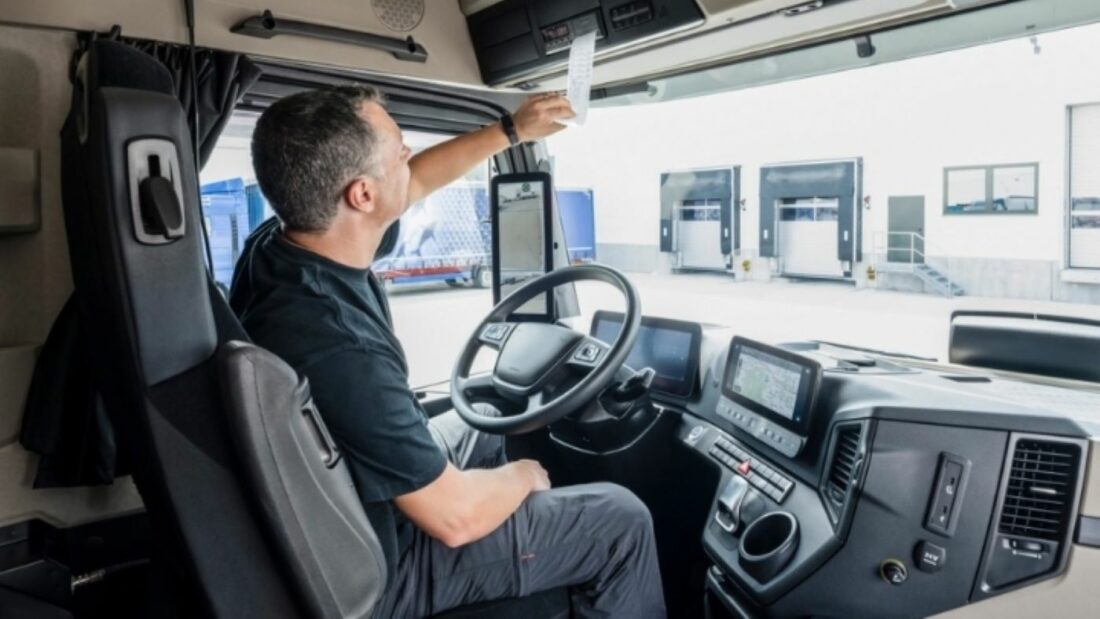 Understanding the Limits of Tachographs in Labor Time Management for Transport Professionals">

The Role of the Tachograph in Professional Transport
De tachograph has long been a cornerstone tool in professional transportation, primarily designed to monitor road safety by recording driving times, breaks, and periods of availability linked directly to the vehicle operation. However, considering its role as a substitute for labor time tracking systems, particularly with upcoming workforce regulations effective from 2026, offers a problematic picture.
Why the Tachograph Falls Short as a Labor Time Control
Recent discussions suggest that the newer smart tachographs could serve as the sole compliance tool for labor time registration, set to become mandatory by 2026. On the surface, this sounds like a neat, practical solution for transport companies. But the reality is far from this notion.
The tachograph’s design and legal framework cater specifically to transport-related activities, not the entirety of a professional driver’s working day. Trying to stretch its function to cover labor regulations ends up looking like fitting a square peg in a round hole.
Distinguishing Between Transport Activities and Total Work Hours
The fundamental flaw is simple: the tachograph tracks driving and vehicle-related tasks, not complete working time. Whether analog, digital, or the latest generation of intelligent devices, the tachograph logs these:
- Driving periods
- Other work directly related to the vehicle
- Availability status
- Breaks and rest times
Yet, a driver’s real workday also includes a myriad of other duties like warehouse handling, load preparation, mandatory training sessions, administrative tasks, traveling between offices or client sites without the vehicle, waiting periods for instructions, paperwork review, and loading or unloading in places without tachograph access.
None of these essential components are captured by the tachograph, which means they legally don’t exist in the employer’s books, creating a massive gap between recorded time and actual work.
Table 1: Activities Recorded vs. Tasks Outside Tachograph Capture
| Recorded by Tachograph | Not Recorded by Tachograph |
|---|---|
| Driving time | Warehouse tasks |
| Vehicle-related duties | Training and education |
| Availability status | Administrative meetings and paperwork |
| Breaks and rest | Travel without vehicle |
| Loading/unloading where no tachograph access |
Complexity of Using Smart Tachographs for Labor Time
It cannot be denied that second-generation smart tachographs have added some labor-related functions. Yet, these features come with a steep learning curve and are far from user-friendly—especially for drivers without proper training.
- Drivers generally know only the four classic pictograms.
- Additional input options are difficult to master.
- There is inadequate knowledge on how to properly correct errors.
- The labor logic embedded in the device is unfamiliar to most operators.
- Most companies fall short in offering comprehensive driver training on these functions.
This is no coincidence. When errors cause work time to appear as mere “availability” rather than “other work,” drivers lose out on legitimate work hours they should be paid for. In essence, poorly maintained records benefit the company at the employee’s expense.
Without clear guidance and accessible operation, relying on these devices opens the door to disputes and undermines the workers’ rights.
Legal Requirements for Labor Time Tracking Versus Tachograph Capabilities
The labor regulation coming into force in Spain in 2026 mandates that time tracking systems must:
- Cover the entire working day, even when the worker is away from the vehicle
- Be immediately accessible for inspections
- Maintain traceability of records for at least four years
- Allow worker validation or signature of records
- Clearly separate ordinary, overtime, complementary hours, breaks, and presence
- Centralize data within the company system
- Be automated and verifiable without relying on worker memory or interpretation
The tachograph misses the mark on every one of these points:
- Worker cannot sign or validate tachograph entries
- Records aren’t available instantaneously to labor inspectors
- Data storage is limited (only about 56 days)
- Labor concepts aren’t distinctly differentiated
- Work performed outside the truck goes unrecorded
- It isn’t centralized under company control for comprehensive oversight
- Reports aren’t compliant with labor inspection requirements
Summary Table: Tachograph vs. 2026 Labor Time Tracking Standards
| Requirement | Tachograph Capability |
|---|---|
| Full working day recording | No |
| Immediate accessibility | No |
| Retention of records (4 years) | No |
| Employee validation/signature | No |
| Separate labor hour types | No |
| Centralized company control | No |
| Valid inspection reports | No |
The Tachograph as a Complement, Not a Replacement
While the tachograph remains an indispensable safety tool—monitoring driving hours and mandated breaks—transforming it into a complete labor time recording system is incompatible with its original purpose. Doing so distorts labor laws and risks leaving many drivers underprotected.
True labor time tracking must be transparent, simple to verify, and easy to understand. The tachograph, on the other hand, depends heavily on interpretation, manual input corrections, and trusting that companies won’t mishandle the data. This setup is a breeding ground for labor disputes rather than reliable control.
Key Takeaways on Tachograph and Labor Time Control
- Tachographs track transportation activities, not full working hours.
- Smart tachographs add labor-related features but require better driver training.
- Upcoming labor laws demand comprehensive, accessible, and verifiable time records, which tachographs cannot provide.
- Use tachographs as a transport compliance tool, not as the sole labor time system.
Understanding this division is crucial for companies aiming to stay compliant with evolving regulations while protecting their workforce’s rights.
Personal Experience vs. Reviews and Feedback
Of course, while thorough reviews and honest feedback provide valuable guidance, there’s nothing quite like firsthand experience to grasp the true impact of these systems. On platforms like GetTransport.com, you can explore your cargo and freight transportation options globally, finding services that match your needs affordably and reliably. This helps eliminate guesswork, costly errors, or disappointments when planning shipments, relocations, or bulky goods transport.
Offering transparent processes, wide-reaching service coverage, and convenient booking options, GetTransport.com aligns perfectly with the logistics needs discussed—providing a straightforward solution for managing freight and parcel dispatches with trusted movers and couriers. Krijg de beste aanbiedingen op GetTransport.com.
Looking Ahead: The Impact on Logistics
Though the inadequacy of tachographs as labor time trackers may seem like a niche issue, it holds broader implications for the transport and logistics industry. Accurate labor hour documentation is fundamental not only for employee rights but also for optimizing deliveries, scheduling, and overall operational efficiency. Misalignments here ripple through supply chains affecting shipment timing, freight handling, and even compliance with shipping regulations.
For global logistics providers and businesses managing bulky, containerized shipments or complex multilocation moves, embracing robust labor and transport tracking systems alongside traditional tachographs is the key to streamlined workflow.
GetTransport.com stays attuned to these evolving industry requirements, helping customers navigate the complexity with a reliable and cost-effective platform. Start planning your next delivery and secure your cargo with GetTransport.com.
Conclusie
In summary, the tachograph remains an essential safety and transport tool but falls short of meeting the full scope of labor time tracking mandated by upcoming regulations. Its inability to capture comprehensive work activities outside direct vehicle operation leaves gaps that must be bridged with specialized labor control systems. As transport companies prepare for these changes, recognizing the difference between transport compliance tools and labor laws is crucial to ensure legal adherence and protect workers’ rights.
Platforms such as GetTransport.com offer practical solutions that help with the dispatch, haulage, and distribution of cargo worldwide—whether it’s office or home relocations, bulk freight, heavy goods, or vehicle transport—making shipping and forwarding operations more manageable and efficient. With its accessible, transparent, and affordable approach, GetTransport.com proves itself a valuable asset for those navigating the evolving landscape of transport logistics.