


 Nederlands
  English (UK)
  Русский
  العربية
  日本語
日本語  한국어
한국어  Magyar
  Türkçe
  Español
  Čeština
  Svenska
  Português
  Ελληνικά
  Suomi
Suomi  Română
  Italiano
  Français
  Polski
  Українська
  Deutsch
  简体中文
简体中文  Slovenčina
 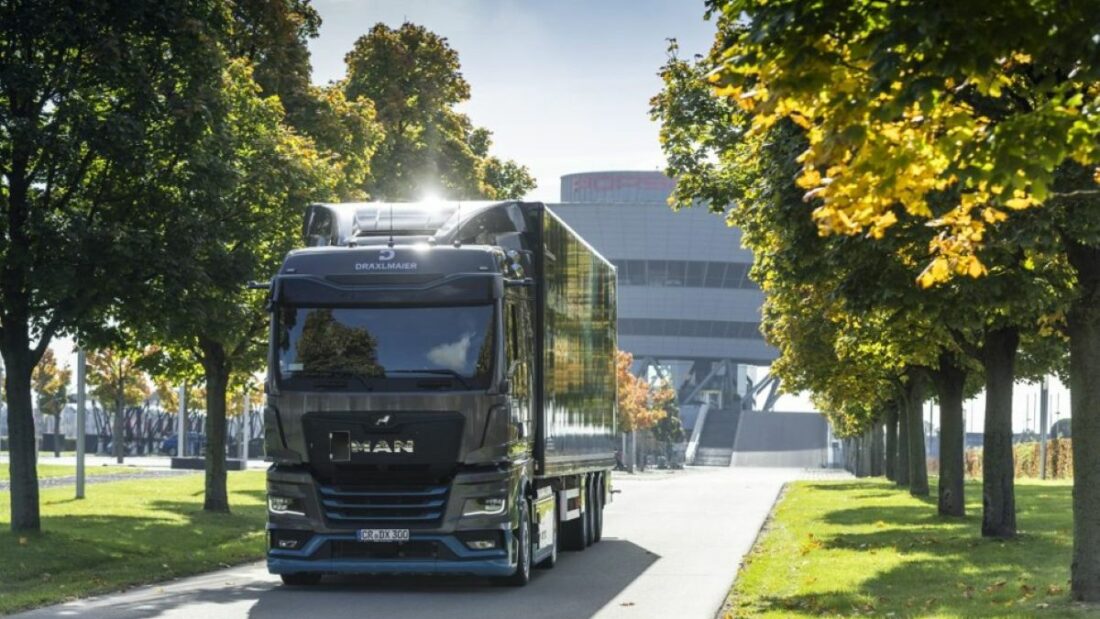 Evaluating Which Truck Propulsion Technology is Best Suited for Spain’s Transport Sector">

Understanding Truck Propulsion Technologies Amid Economic and Environmental Shifts
Choosing the right truck propulsion system can feel like navigating a maze, especially when balancing the ever-tightening purse strings with mounting environmental concerns. In Spain, a fresh perspective on this challenge is emerging, focusing on a detailed comparison of various drive systems based on their total cost of ownership (TCO) and carbon emissions.
With regulatory pressures rising and profit margins often razor-thin, especially for smaller operators who dominate Spain’s freight movement landscape, it’s critical to find solutions that don’t just tick environmental boxes but also keep the business engine humming smoothly.
What Propulsion Systems Are on the Table?
The conversation spans several technologies: traditional diesel powertrains, compressed natural gas (GNC), liquefied natural gas (GNL), battery electric vehicles, fuel cell electric vehicles, and high-performance fuels. Each comes with its own bag of pros and cons depending on use-cases ranging from local deliveries to long-haul operations.
Breaking Down Total Cost of Ownership (TCO) and CO₂ Emissions
Total cost of ownership is the holy grail metric here – it captures not only the upfront sticker price but also operational costs, maintenance, fuel consumption, and resale value over the truck’s lifespan. Overlay that with CO₂ emissions makes for a two-dimensional chess game that requires a sharp analytical edge.
By comparing these factors, operators can classify trucks into winner-winner combinations where both costs and emissions fall, or lose-lose scenarios where neither factor is favorable. This classification isn’t just academic; it’s the blueprint guiding strategic procurement decisions across the sector.
Highlights from Recent Industry Discussions
At a recent assembly focusing on sustainable fuels in heavy civil and military transport sectors, experts underscored the acute challenges faced by transport companies. According to key planners, the balancing act between operating costs and environmental compliance is a tightrope walk, demanding robust tools like the TCO-CO₂ trade-off analysis to lock in viable strategies.
| Propulsion System | Typische use case | Key Advantages | Uitdagingen |
|---|---|---|---|
| Diesel | Long-haul, regional delivery | Established technology, extensive fueling infrastructure | Higher emissions, rising fuel prices |
| Compressed Natural Gas (GNC) | Urban and regional transport | Lower emissions than diesel, cost-effective fuel | Limited refueling points, vehicle cost premium |
| Liquefied Natural Gas (GNL) | Long-distance routes with heavy loads | Energy-dense fuel, lower CO₂ emissions | Infrastructure scarcity, higher initial investment |
| Batterij-elektrisch | Short-range delivery, urban logistics | Zero tailpipe emissions, lower maintenance | Range limitations, high upfront cost |
| Fuel Cell Electric | Emerging applications in long haul | Quick refueling, low emissions | Limited infrastructure, technology still nascent |
| High-Performance Fuels | Specialized or mixed use | Potential for emission reductions without full tech overhaul | Cost, availability concerns |
Country-Specific Insights and Broader Industry Implications
This data is part of a larger study comparing multiple European nations, each with unique regulatory environments and market dynamics. Spanish transport operators, predominantly small to medium enterprises, have to make choices that don’t break the bank but keep them competitive while helping the planet.
Understanding and acting on the cost-versus-environment equation is becoming less of a “nice-to-have” and more of a survival tactic in the freight and logistics world.
What Does This Mean for Logistics and Cargo Transport?
The choice of truck propulsion directly impacts freight operations, shipment planning, and overall logistics efficiency. For example, opting for electric or alternative fuel vehicles could mean rethinking route selection due to refueling infrastructure variability or load capacity changes due to vehicle weight.
Moreover, the TCO and emissions balance informs fleet renewal cycles and investment strategies, influencing costs from haulage contracts to parcel delivery schedules. For companies juggling office moves, heavy bulky freight, or vehicle transport, these decisions echo across every stage of distribution and forwarding.
Tools and Efficiency Innovations to Drive Down Costs and Emissions
Besides picking the right propulsion, integrating efficiency-boosting strategies — like optimizing driving behaviors, leveraging telematics, and advanced load management — is critical to maximizing benefits. These tools can significantly slash both fuel consumption and CO₂ footprints, easing the pressure on transport budgets and environmental compliance.
The Bottom Line: Insight and Experience Matter
While the numbers and comparative analysis offer a solid compass, the true test lies in real-world operations. Even the most transparent reports and comprehensive feedback loops can’t fully capture the nuances of how a propulsion choice plays out day-to-day — that subtle dance between vehicle, driver, load, and route.
Here, platforms like GetTransport.com shine, empowering users to choose from a vast global network of reliable cargo transport options that balance affordability with service quality. Whether moving office equipment across town, shipping bulky furniture, or coordinating an international relocation, users benefit from transparent pricing and extensive choices that make logistics headaches a thing of the past. Boek je rit met GetTransport.com for access to the best offers worldwide.
Looking Ahead: The Road for Spain’s Trucking Sector and Logistics
Though the wider global logistics landscape might not see seismic shifts merely from Spain’s propulsion preferences, the local sector’s move towards smarter, cleaner truck choices reflects a growing global trend. Staying aware of these developments ensures platforms like GetTransport.com remain in tune with the evolving needs of operators, brokers, and shippers.
Companies considering their next freight dispatch will do well to factor in how these propulsion systems affect not just their cost bottom line but also their carbon footprint. Start planning your next delivery and secure your cargo with GetTransport.com.
Samenvatting
Investment decisions in Spain’s truck propulsion systems are no longer driven solely by upfront costs. The interplay between total cost of ownership, CO₂ emissions, and operational efficiency paints a complex picture. Diesel remains entrenched for many, but alternatives like GNC, GNL, battery electric, and fuel cell technologies are carving out growing niches.
This evolution bears directly on logistics and freight management, influencing everything from haulage contracts to daily shipment dispatches. Platforms offering diverse, transparent, and affordable transport options, such as GetTransport.com, align perfectly with this dynamic. They simplify the movement of goods—whether pallets or bulky cargo—across local and international boundaries, helping transporters navigate the shifting tides of cost, compliance, and sustainability with confidence.