


 Nederlands
  English (UK)
  Русский
  العربية
  日本語
日本語  한국어
한국어  Magyar
  Türkçe
  Español
  Čeština
  Svenska
  Português
  Ελληνικά
  Suomi
Suomi  Română
  Italiano
  Français
  Polski
  Українська
  Deutsch
  简体中文
简体中文  Slovenčina
  Comprehensive Strategies for Designing Warehouses to Optimize Logistics Operations">

Understanding the Essentials of Warehouse Planning in Logistics
Designing a warehouse from the ground up is no walk in the park, especially when weighed against the diverse demands of logistics. Striking the right balance between operational efficiency, cost-effectiveness, adaptability, and room for future growth is key. This article breaks down the critical stages involved in crafting an efficient warehouse tailored to logistics needs.
Step 1: Preparation — Laying the Foundation
The journey begins with a solid preparation phase where financial feasibility and cost estimations set the tone. An important decision during this stage is whether the warehouse will be handled internally or through outsourcing to a third-party service provider. This choice affects everything from investment scale to operational control.
Owning, leasing, or building a warehouse each carries its own trade-offs. Constructing or purchasing properties can tailor the warehouse precisely but demands a longer timeline. Conversely, leasing offers quicker entry but less customizability. Each path influences how logistics teams plan their cargo handling and freight distribution strategies.
Step 2: Designing with Logistics Flow in Mind
Location and Supply Chain Positioning
The warehouse’s location isn’t just about geography — it’s about understanding its role in the supply chain, who the suppliers and customers are, and the kind of inventory traffic it will handle. Bulk goods dispatched from factories call for high-density storage solutions, whereas e-commerce operations need finely-tuned order picking systems to handle numerous small shipments efficiently.
Network analysis tools come into play here, mapping inbound and outbound freight routes to minimize travel distances and reduce haulage costs. A well-placed warehouse can significantly streamline shipping and distribution activities.
Storage and Picking Strategies
Traditionally, warehouses followed a “man-to-goods” model, with staff navigating aisles to retrieve items. But technology is increasingly favoring “goods-to-man” setups where products are transported to fixed picking stations, raising efficiency but requiring upfront mechanization investments.
This setup introduces a dilemma for many operations: should the organization invest heavily now to save on labor costs over time, especially in the face of rising workforce expenses and shortages? The answer might lie somewhere in between — a hybrid approach allows gradual automation, balancing immediate costs and long-term savings.
Calculating Capacity Requirements
Once warehouse placement and operation style are identified, determining capacity needs is next, involving several factors:
- Inbound and outbound traffic: Number of orders, their sizes, and timing dictate receiving and shipping space requirements.
- Buffer stock: Inventory held longer due to ordering patterns or expected demand surges.
- Pick stock: Easily accessible inventory for quick fulfillment of frequent orders.
- Workload and task timings: Analyzing labor and equipment needs based on order cycles and peaks.
- Future demand scenarios: Planning flexibility for growth or seasonal fluctuations.
Smart Capacity Planning: The Pragmatic Approach
It’s tempting to size a warehouse for every conceivable inventory peak, but this often leads to costly underutilization. Instead, planning around 90–95% of likely capacity cases optimizes utilization without sacrificing responsiveness. Temporary overflows can be managed with auxiliary storage or partner facilities, keeping operational costs lean and agile.
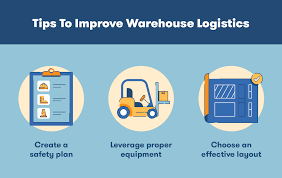
Step 3: Crafting the Optimal Warehouse Layout
With capacity outlined, it’s time to play Tetris with your warehouse space. The design must maximize storage while minimizing internal travel — the bane of any efficient logistics operation.
The internal flow design typically involves deciding “one-way” versus “same-side” receiving and shipping areas to optimize material movement. Fast-moving items find spots close to dispatch points, while slower movers are tucked away where they won’t become a bottleneck.
Operational Zones and Space Allocation
Apart from storage, bustling zones like receiving docks, packing stations, and shipping bays must be scaled precisely according to peak order volumes and operational hours. This includes accommodating staff workflows to avoid congested aisles that slow down picking or replenishment.
Secondary Spaces Matter
Don’t sweat the back office—they count too. Office areas, break rooms, equipment bays, and security setups, although secondary, need to fit seamlessly into the floor plan, adhering to facility standards while supporting smooth daily operations.
Final Stage and Implementation
Once the design blueprint ticks all logistical boxes and meets capacity needs, it’s handed off for architectural detailing and contractor bidding. Permitting and regulatory approvals become critical milestones at this stage, often dictating project timelines.
Warehouse Design’s Impact on Logistics
Warehouse design isn’t just about square footage — it shapes how goods flow through the supply chain, affecting delivery speeds, labor costs, and customer satisfaction. Thoughtful design streamlines freight handling, reduces parcel and pallet congestion, and ensures smooth distribution channels.
For logistics professionals, integrating tech-driven automation with smart spatial layouts can be the ace up your sleeve, especially when managing bulky cargo or multi-item shipments across international and domestic routes.
Belangrijkste punten:
- Invest time upfront to define your warehouse’s role in the supply chain—this influences all aspects of design from location to layout.
- Balance mechanization and manual operations based on cost, labor market realities, and planned growth.
- Capacity planning should balance operational efficiency with realistic demand peaks, avoiding oversizing and wasted space.
- Design layout to minimize wasteful travel inside the facility—think logistics flow, not just storage.
- Secondary spaces and regulatory needs can’t be an afterthought—they support smooth warehouse functioning.
Remember, the best reviews or expert opinions can’t quite replace the firsthand understanding of how a warehouse functions daily. This is where platforms like GetTransport.com shine — enabling you to arrange customized cargo transportation worldwide at competitive prices, helping you experience seamless logistics solutions firsthand.
The platform’s transparency, vast transport options, and user-friendly interface empower businesses and individuals to manage freight, bulky goods, pallet shipments, and even full relocations conveniently and cost-effectively. From office moves to vehicle transports, aligning with changing warehouse designs and logistics needs, GetTransport.com offers reliable dispatch and haulage services on a global scale. Boek je rit met GetTransport.com and feel the difference.
Vooruitblik: Wat dit betekent voor de wereldwijde logistiek
While individual warehouse projects may not cause ripples across global logistics oceans, they certainly add layers to the intricate web of supply chains. Modern warehouse designs, favoring automation and optimized layouts, signal an ongoing trend towards efficiency and responsiveness in shipping and freight services.
Op GetTransport.com, staying in tune with such developments ensures their platform meets tomorrow’s logistics expectations today. Whether you’re an international shipper, a local distributor, or someone managing bulky items for a housemove, start planning your next delivery and secure your cargo with GetTransport.com.
Samenvatting
Effective warehouse design stands as a cornerstone of modern logistics — influencing everything from storage density and order picking efficiency to workforce management and transport coordination. Key steps involve careful preparation and financial analysis, strategic site selection based on supply chain flows, discerning mechanization choices, precise capacity calculations, and thoughtful layout planning.
The blend of functional design and technology-driven process controls ensures freight and cargo move swiftly with minimal handling and delays. Companies that get this balance right achieve lower operational costs and higher customer satisfaction, crucial in today’s competitive shipping and forwarding landscapes.
Platformen zoals GetTransport.com naturally complement these warehouse innovations by offering affordable, scalable, and dependable transport solutions globally. Their ability to handle diverse logistics needs—from courier parcel deliveries and pallet shipments to bulky freight and full relocations—makes them a go-to for anyone looking to simplify their supply chain transport challenges.