


 Nederlands
  English (UK)
  Русский
  العربية
  日本語
日本語  한국어
한국어  Magyar
  Türkçe
  Español
  Čeština
  Svenska
  Português
  Ελληνικά
  Suomi
Suomi  Română
  Italiano
  Français
  Polski
  Українська
  Deutsch
  简体中文
简体中文  Slovenčina
  5 belangrijke trends in logistieke automatisering en autonome robots voor 2025">

Recommendation: start with a modular automation backbone that integrates robots and autonomous trucks across all areas of your operation to transform performance. This approach keeps implementation straightforward and reduces risk while improving safety and reliability. With this setup, teams can focus attention on optimizing workflows rather than managing bespoke tools, which speeds up adoption. Build shared data standards and plan for over time updates, a report from a wiley study and industry peers cites this path as a best practice.
Trend 1: autonomous mobile robots extend into docks, cross-dock corridors, and high-demand picking areas, delivering significant time savings and enhanced safety. In pilot programs, robots cut cycle times by 25–40%, reducing manual handling and freeing workers for higher-value tasks. Managers gain substantial visibility with real-time fleet data, reducing idle time and improving response to exceptions across areas such as inbound receiving and outbound shipping. To capture frontline feedback during implementation, teams leverage facebook groups, speeding attention to issues and corrective actions.
Trend 2: edge computing and better data integration enable real-time visibility and enhanced safety across operations. Edge analytics push sensor data to actionable dashboards, reducing latency for decisions and enabling proactive maintenance. This shift supports after-hours work in controlled areas, where workers face fewer risks as machines adapt to pace. A common guideline from a wiley study shows measurable gains in accuracy and throughput when data feeds are standardized and accessible.
Trend 3: in-yard automation and autonomous trucks optimize loading and outbound flows in warehouses and depots. Yard cranes, automated guided vehicles, and fleet orchestration cut dwell times, driving substantial improvements in utilization. Fleets coordinate with human drivers to keep operations safe and schedules predictable. Start with a single pilot in one site area to control complexity before expanding to additional areas.
Trend 4: collaborative robots (cobots) partner with people to handle repetitive tasks while boosting safety and accuracy. Cobots deliver enhanced packing, labeling, and quality checks, reducing errors by up to 30–50% in some lines. Plan for safety training, clearly defined work zones, and a phased implementation that minimizes disruption and builds trust with the workforce.
Trend 5: workforce enablement and scalable playbooks ensure durable gains. Provide role-based training, standardized KPI dashboards, and a formal feedback loop. Run short pilots with clear ROI benchmarks, then roll out across multiple sites using repeatable templates for trucks, robots, and automation in areas like inbound, storage, and dispatch. Maintain attention to safety and data governance, and align with industry sources such as a wiley for evolving guidelines and practices that improve productivity and lasting transformation.
Delphi-based Scenario Study Plan
Start with a three-round Delphi study to define three actionable 2025 scenarios: autonomous loading equipment in high-velocity hubs, ai-powered inventory management with automated picking, and dynamic routing across multi-site networks. Frame a clear objective: compare projected performance with the current baseline, aiming for gains more than 15% in productivity, 5–8 percentage points in accuracy, and higher uptime. Use anonymous surveys and iterative feedback to converge on a consensus probability and impact score; document assumptions in a living workbook. Target cycle-time reductions of more than 10% and faster times-to-value where feasible.
Next, assemble a diverse panel of 8–12 logistics leaders, operators, and technologists; ensure representation from inbound, warehousing, and last-mile. Avoid traditional, siloed planning; require cross-functional inputs. Keep the panel independent and avoid vendor bias; frame questions to surface constraints, data quality needs, and integration requirements. Use wiley resources to ground questions and identify benchmarks. Emphasize that the study concentrates on feasibility and tangible outputs, not theory.
Round 1 collects driver data, constraints, and baseline metrics such as cycle times, throughput, and error rate. Round 2 presents synthesized scenarios with quantitative estimates and risk scores. Round 3 finalizes the preferred scenario with a go/no-go decision, including required investments, timelines, and a practical deployment plan.
From the Delphi results, build a plan that moves your operation to transform your processes. Define phased equipment procurement, skill-building, and change management; set governance, escalation paths, and a dashboard for attention from senior management. Assign owners for each workstream and map dependencies across technology, people, and processes. This plan should become a clear reference for budget, procurement, and execution.
Create a 12-month implementation calendar with quarterly milestones and a detailed cost model that compares capex and opex. Describe expected ROI, payback period, and performance targets by KPI category such as productivity, uptime, order accuracy, and energy use. Factor capital discipline in the current economy and plan for flexible sourcing. Translate outcomes into actionable budgets and procurement specs for your procurement team.
Address serious challenges head-on: data quality, system integration with legacy equipment, change resistance, and vendor lock-in risk. Include risk mitigations, training plans, and a fail-safe for ai-powered components. Build a governance rhythm with monthly reviews and executive attention to ensure momentum and accountability.
Wrap up with a concise one-page plan, a lightweight dashboard, and a go-to-market checklist for your team, ensuring clear ownership and measurable progress.
Warehouse automation playbooks: dedicated layouts, storage strategies, and picker-assisted workflows
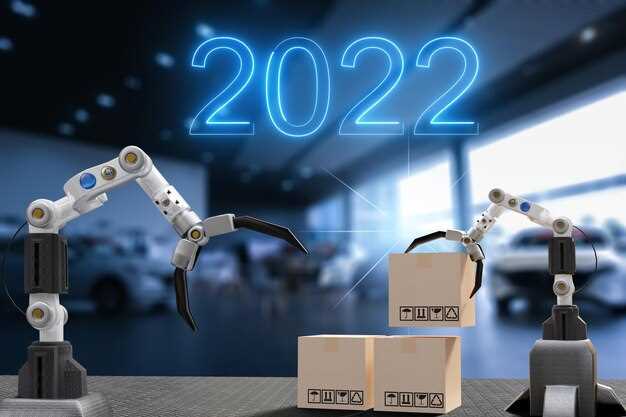
Start by implementing dedicated layouts and zones that place high-demand SKUs within a 60-second pick radius and route autonomous mobile robots through conflict-free paths across front-area zones and deeper reserve areas. This arrangement cuts travel time and raises picker throughput when paired with picker-assisted workflows and real-time guidance. Among the proven tactics, dynamic slotting adjusts every two weeks based on consumption patterns, keeping the layout aligned with demand. Decision criteria should weigh pick density, exception rates, and replenishment cycles to keep the environment resilient.
Define storage strategies by area: fast-pick zones near the dock, dense pallet areas further back, and cross-docking lanes to minimize handling. Use density-aware shelving, fixed replenishment rules, and inventory visibility tools to keep the pick face stocked. Align inventory accuracy with automated checks from cameras or sensors at the pick-face to reduce mis-picks and speed verification during the workflow. This approach supports secure, scalable storage that adapts to seasonal spikes and regional demand across environments and sectors.
Adopt picker-assisted workflows that combine guidance with real-time validation. Implement voice or touchscreen prompts that direct the picker along the shortest valid route, and use cameras or barcode scans to confirm SKUs at the point of pick. Let autonomous assist devices, such as driverless tugs, handle goods movement where appropriate, while human operators oversee exceptions and safety. In practice, this collaboration improves decision speed, lowers error rates, and keeps the picker engaged in high-value tasks within secure, monitored environments.
Capture learnings with a bibliographic approach: maintain citations from pilots and field studies, including insights from Johan, Sven, and Schmidt, to ground changes in observable results. Track metrics like inventory accuracy, throughput, and cycle time, and publish these insights in a lightweight log that stakeholders can consult during adoption. This evidence base helps organizations compare different layouts, storage rules, and workflow sequences to select where to invest first and how to scale across world markets and various sectors.
Plan a phased adoption that is resilient to disruption. Start with a controlled pilot in one or two areas, then expand to adjacent zones and across multiple environments. Ensure secure integration with warehouse management systems, provide clear roles for human drivers and robots, and define rollback criteria in case of bottlenecks. A structured roadmap supports widespread adoption while allowing teams to learn from real-world data and adjust configurations–making the most of autonomous capabilities without compromising safety or inventory control.
Autonomous trucking adoption: impact on pricing models, contracts, and SLA design
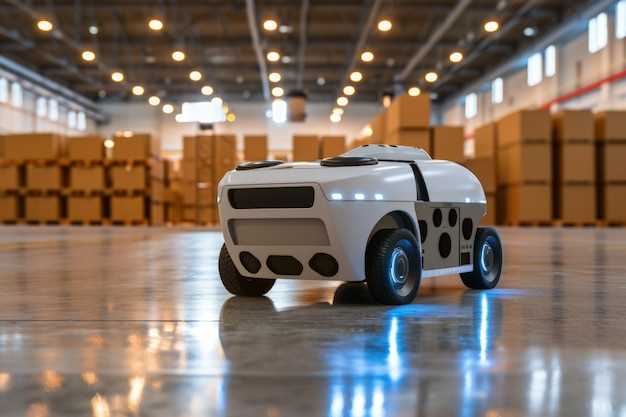
Recommendation: Implement a dynamic, data-driven pricing model for autonomous trucking that combines a base rate with variable components tied to real-time capacity, traffic, and vehicle health. The main driver is to align revenue with the value delivered by services that accompany the ride, not just distance. This shifting pricing model relies on signals from traffic, lane reliability, and uptime to set price bands. In pilot corridors, dynamic pricing reduced cost per mile for carriers while boosting utilization by 10–20% and improving on-time performance by 5–10 percentage points; predicting demand becomes more accurate, and the business case for automated fleets improves. To manage exposure, implement caps on volatility and hedging where needed. This model also allows shippers to predict total spend more accurately, and sometimes price swings require guardrails. Blockchain-enabled data streams blockchain maintain immutable records of price changes and service events, reducing error in settlements. paul notes that the main implication is a changing role for carriers and shippers as pricing shifts toward a shared-risk model.
Contracts and SLA design rely on modular blocks and performance-based terms. Define SLAs around availability, latency, safety events, data quality, update cadence, and change management. unlike fixed contracts, use adaptive terms tied to measurable KPIs, with explicit penalties or rebates and a clear escalation path. A blockchain ledger provides immutable evidence of events and payments, reducing disputes and enabling judgment calls to be documented. paul en dominik from operations push for templates that scale by lane and carrier, keeping every stakeholder aligned while accommodating changing risk.
below is a phased Implementatie plan to operationalize these terms. Implementatie steps: 1) instrument data feeds from vehicles, telematics, traffic signals, and weather; 2) stand up a blockchain registry for contract events and payments; 3) develop modular SLA templates and pricing blocks; 4) run a two-lane pilot with cross-functional teams; 5) scale with governance reviews every quarter. The emphasis is on interoperability and data quality; guardrails reduce error and maintain consistent service levels.
De implicaties voor het bredere milieu en bedrijfsmodellen zijn significant. Wijdverspreide adoptie zal prijsmodellen, contractleverage en SLA-verwachtingen veranderen. De voorsprong komt van gedeelde data en afgestemde incentives, waardoor lock-in wordt verminderd en snellere vooruitgang in automatisering mogelijk wordt gemaakt. dominik van operaties en paul vanuit het perspectief van netwerkontwerp, aandringen op clausules voor risicodeling die overeenkomen met vooruitgang autonomie en datamogelijkheden. Wanneer u een transparant datatraject onderhoudt, wordt uw implications–en het risico–afnemen omdat geschillen snel kunnen worden opgelost. De omgeving wordt voorspelbaarder naarmate blockchain records en real-time telemetrie bieden een holistisch beeld van de prestaties, waardoor uw planning proactiever wordt.
Fleet orkestratie en last-mile routing: realtime beslissingen, veiligheid en risicocontroles
Recommendation: Implementeer een uniform platform voor vlootorkestratie dat real-time last-mile routing combineert met veiligheidscontroles en risicobeheersing, wat zorgt voor betrouwbaardere leveringen en efficiëntie in de laatste fase. Benut opkomende technologieën zoals telematica, slimme camera's en dynamische geofencing om beslissingen te verbeteren waar datastromen samenkomen. Deze flexibiliteit is beschikbaar voor breed geregistreerde vloten en ondersteunt betere milieuresultaten door lege kilometers en omwegen te verminderen.
Analytics realtime beslissingen stimuleren die omwegen en stationair draaien verminderen, wat zich vertaalt in aanzienlijke kostenbesparingen en een kleinere milieu-impact. In internationale operaties vermenigvuldigen de voordelen zich naarmate routes magazijnen, vervoerders en last-mile partners coördineren. In Berlijn benadrukken Stefan en Robin een probleem: datakwaliteit en interoperabiliteit, die verbeteren naarmate oplossingen worden geregistreerd met open standaarden.
De implementatie zou in vier stappen moeten verlopen: 1) definieer KPI's zoals punctualiteit, veiligheidsincidenten en kosten per levering; 2) verbind een geregistreerd netwerk van vervoerders en koeriers; 3) implementeer een modulaire routing engine en een risicomodule; 4) schaal geleidelijk op naar andere markten om internationale groei en grensoverschrijdende compliance te ondersteunen. Begin met Berlijn als testlocatie om routingregels en veiligheidscontroles te verifiëren, breid vervolgens uit naar extra routes en partners om de prestaties te valideren vóór volledige implementatie.
Om risico's te beheren, stel je real-time monitoring, geofence-waarschuwingen en controles van het rijgedrag in binnen het operationele dashboard. Gebruik de beschikbare analyses om afwijkingen in leveringen, wachttijden en ladingintegriteit te signaleren, en handhaaf beleid dat ervoor zorgt dat alleen goedgekeurde voertuigen en chauffeurs aan de applicatie deelnemen. Volg de impact op het milieu door brandstofverbruik en vermindering van stationair draaien te meten, en verfijn continu de routeringsregels om duurzamere opties te verkiezen in corridors met een hoge vraag.
Personeelstransitie en herontwerp van de hub: trainingstrajecten, rolverschuivingen en verandermanagement
Implementeer een op rollen afgestemd bijscholingstraject van 12 weken, met praktische labs, micro-credentials en een mentoring-cirkel. Breng drie trajecten in kaart - operations, onderhoud en data planning - en stel duidelijke mijlpalen, duur en een specifieke tijdspanne voor feedback vast. Gebruik een centrale begeleidingsportal en een panel van leiders om de voortgang te overzien, downtime te verminderen en het momentum vast te houden. Deze aanpak helpt bij het navigeren door snelle automatisering, houdt taken nauwkeurig en stelt personeel in staat om van rol te wisselen zonder verstoring.
Herontwerp het knooppunt rond modulaire zones die reistijden verkorten en de doorstroming verbeteren. Creëer inkomende, verwerkings- en uitgaande zones met duidelijke zichtlijnen, smalle gangpaden en camera's op belangrijke kruispunten om de etikettering en containerposities te verifiëren. Implementeer een gefaseerd venster voor tussentijdse overdrachten en vertrouw op apparaten zoals scanners en wearables om acties en resultaten vast te leggen. Gebruik bereik- en lay-outaanpassingen om het parallel uitvoeren van meerdere lijnen te ondersteunen, in tegenstelling tot rigide opstellingen. Dit plan maakt snelle aanpassingen mogelijk naarmate het volume verschuift en toekomstige eisen evolueren.
Opleidingstrajecten voor drie rollen: specialist operatorautomatisering, onderhoudstechnicus en dataplanner. Het operatorpad omvat de werking van autonome apparaten, padlogica en het interpreteren van meldingen van camera's. Het onderhoudspad omvat preventief onderhoud, instrumentkalibratie en foutdiagnose. Het datapath bouwt competenties op in het voorspellen van de vraag, het optimaliseren van routes en het maken van dashboards. Elk traject combineert simulaties, praktijkervaring en samengestelde content van Wiley-materialen. Maak een link naar een gedeelde contenthub en sta click-through toegang tot micro-credentials toe. Betrek Sascha en collega's van internationale teams bij periodieke kennisuitwisselingen, begeleid door een panel en gestructureerde feedbacknotities. Soms voer je snelle vaardigheden-audits uit om lacunes te identificeren en het tempo aan te passen.
Change management aanpak: een vast ritme van begeleidingssessies, transparante voortgangsdashboards en risicoanalyses. Gebruik een cross-functioneel panel om bezwaren aan te pakken en standaarden af te stemmen voor hubs in internationale markten, inclusief segmenten voor voedseldistributie. Instrumenteer wijzigingen met snelle pilots, korte feedbackloops en duidelijke verantwoordelijkheid. Bied voor een snel veranderende omgeving praktische middelen en een duidelijke link naar ondersteuning, zodat operators problemen in realtime kunnen navigeren, procedures met één klik kunnen bijwerken en resultaten kunnen terugkoppelen. Integreer lessen uit uber-achtige "last-mile" netwerken om dispatch setups te informeren. Volg metrics zoals cyclustijd, nauwkeurigheid van picks en incidentafhandeling om waarde aan te tonen en vooruitgang te ondersteunen richting bredere doelen.
Delphi-studie opzet: samenstelling panel, rondes en scenarioarticulatie
Stel een Delphi-panel van 12–16 deelnemers samen, afkomstig van logistieke dienstverleners, warehouse-managers, leveranciers van robotica en software, onderzoekers en regelgevers, om de kwaliteit van de besluitvorming en brede ervaring te waarborgen op het gebied van warehousing, stadslogistiek en mondiale supply chains. Deze mix biedt gedegen oordeel en diverse profielen die internationale en stedelijke contexten weerspiegelen.
- Panelgrootte: 12–16 deelnemers om breedte en beheersbaarheid in evenwicht te brengen
- Profielmix: operators, integrators, technologieontwikkelaars, academische onderzoekers en beleidsmakers
- Geografische vertegenwoordiging: internationale inbreng van grote steden en regionale knooppunten
- Ervaringsgebieden: automatisatie-implementaties, autonome robots, AI-analyses en veiligheidsnaleving
- Belangenconflicten en transparantie: openbaarmaking van relaties; vastleggen van beslissingsregels
- Leiderschap: benoem een voorzitter en een neutraal secretariaat met een duidelijk proces om oordelen te verzamelen en te koppelen.
Definieer rondes en cadans om het leren te optimaliseren en bias te minimaliseren. Structureer drie iteratieve rondes met online, geanonimiseerde feedback en een uiteindelijke synthese van uitvoerbare resultaten.
- Ronde 1 (basislijninputs): verzamel kwantitatieve schattingen en kwalitatieve drijfveren voor 4–6 scenario's; vraag om een toelichting en gespecificeerde drijfveren; leg betrouwbaarheidsniveaus vast; benadruk verschillen tussen gebieden en opinieprofielen.
- Ronde 2 (anonieme beoordeling en feedback): verstrek geanonimiseerde, geaggregeerde resultaten met verdelingen en redenen; deelnemers passen oordelen aan en verstrekken herziene redeneringen; benadruk veiligheid, maatschappelijke en globale implicaties; verwijs naar Goodwin's framing om aannames uit te dagen.
- Ronde 3 (definitieve consensus en uitvoerbare resultaten): identificeer geprioriteerde acties, indicatoren, timingvensters en vereiste data; finaliseer met een beknopte scenario-articulatie en een plan voor monitoring en herziening; documenteer citaten en databronnen voor doorlopend gebruik.
Scenario-articulatie presenteert 4–6 toekomstgerichte, puntsgewijze cases die aansluiten op ontwikkelingen in 2025 en mondiale ambities. Elk scenario omvat drijfveren, implicaties voor warehousing en stadslogistiek, en heldere meetgegevens om de voortgang te volgen.
- Autonome opslag in wereldsteden: stedelijke dichtheid, dynamiek van arbeidskosten en variabiliteit in het hoogseizoen stimuleren investeringen in AMR-vloten, sensornetwerken en energiebeheer; meetgegevens omvatten cyclustijd, pickfrequentie, uptime en incidentie van veiligheidsincidenten; blockchain maakt herkomst en slimme contracten voor yard management mogelijk; verwachte impact: 20–40% reductie in order-to-delivery-tijd en een 10–15% reductie in operationele kosten per eenheid.
- Intralogistieke robotica met hybride mens-robotteams: collaboratief werkcelontwerp, veiligheidsvergrendelingen en ergonomische verbeteringen verminderen verwondingen en verhogen de doorvoer; beoordeling via doorvoer per operator, trainingstijd en latentie van de mens-robotinteractie; Goodwin-achtige framing helpt bij het blootleggen van aannames over arbeidsaugmentatie versus vervanging; verwachte winst: 15–25% stijging van de productiviteit in magazijnactiviteiten.
- Blockchain-gestuurde traceerbaarheid en grensoverschrijdende contracten: onveranderlijke records, smart contracts en real-time inzicht verminderen demurrage en compliance risico's; volg data-integriteit, geschillenbeslechtingstijd en overdrachtssnelheid; verwacht bredere adoptie in internationale zendingen en douaneprocessen; schat een verbetering van 5–12% in de tijdige afleveringspercentages.
- Safety-first automatisering met standaardisatie: gestandaardiseerde veiligheidsprotocollen, supervisie op afstand en fouttolerante besturing reduceren incidentfrequenties; meten met incidentfrequentie, near-miss rapportage en compliance auditscores; anticipeer op een aanzienlijke vermindering van veiligheidsincidenten in risicovolle omgevingen.
- Weerbaarheid bij verstoring: gediversifieerde leveranciersnetwerken, modulaire automatisering en adaptieve routing verbeteren de continuïteit tijdens schokken; bewaak hersteltijd, stock-out frequentie en boetes voor servicelevels; wereldwijde adoptie zou de kosten van verstoring met een derde kunnen verlagen in stressscenario's.
Elk scenario is gekoppeld aan meetbare resultaten, waardoor u de voortgang kunt volgen met consistente items over cycli heen. Stel een analyseplan op met gegevensbronnen, belangrijkste indicatoren en basiswaarden; stem af op internationale normen en referenties om de geloofwaardigheid van de beoordelingen en de daaruit voortvloeiende roadmap te versterken. Verzamel citaten uit internationale bronnen en bronnen uit de industrie om aannames te onderbouwen en de prioriteringsbeslissingen te rechtvaardigen.