


 Nederlands
  English (UK)
  Русский
  العربية
  日本語
日本語  한국어
한국어  Magyar
  Türkçe
  Español
  Čeština
  Svenska
  Português
  Ελληνικά
  Suomi
Suomi  Română
  Italiano
  Français
  Polski
  Українська
  Deutsch
  简体中文
简体中文  Slovenčina
  Supply Chain Duty of Care Act – Benefits for Companies and Customers in a Fairer World">

Neem nu een proactief zorgplichtprogramma aan door elke leverancier in kaart te brengen, hen te betrekken bij arbeidsnormen en contracten te verbinden aan verantwoordelijke praktijken. Deze vroege actie creëert een duidelijk pad naar een eerlijke behandeling in alle lagen en vermindert risico's voordat ze escaleren.
Voor bedrijven betekent duidelijkheid over de zorgplicht minder verstoringen en een sterker merk. Ze documenteren due diligence, blijven de prestaties van leveranciers verbeteren en verlagen de kosten van non-compliance. Op de Europese markten melden early adopters meetbare voordelen: uit talrijke studies blijkt een 4-9% lager aantal leveranciersgerelateerde vertragingen en een hogere vertrouwensscore van bankpartners, terwijl werving eenvoudiger wordt naarmate de aantrekkelijk het verhaal van de werkgever resoneert met werkzoekenden. Deze inspanningen dragen bij aan het vergroten van de prijsstabiliteit, en werknemer Veiligheid verhoogt de productiviteit.
Klanten profiteren van transparante zorgvuldigheid: veiligere producten, betrouwbare levering en ethische normen bij merken die ze vertrouwen. Voor sectoren zoals medical leveringsketens vermindert de bescherming tekorten en waarborgt de patiëntenzorg. Het publieke vertrouwen groeit wanneer bedrijven gegevens over verantwoorde bronnen publiceren, en publiek-private verantwoordelijkheid wordt tastbaar door middel van openbaarmakingen.
Om van intentie naar impact te gaan, stel een crossfunctioneel task een team met vertegenwoordigers van inkoop, HR, juridische zaken en compliance. Begin met risico-mapping van de meest kwetsbare leveranciers, verzamel gegevens over werkuren, lonen en veiligheidsstatistieken, en eis driemaandelijkse updates aan het management. Gebruik audits door derden om verbeteringen te verifiëren en stel KPIs die aandeelhouders kunnen zien. Dit providing van meetbare data helpt besluitvormers om verder te gaan met efforts en breng openbaar-naar-privé-onthullingen in overeenstemming met de verwachtingen van de klant.
Voor teams die nu handelen, wordt de wet een platform om een rechtvaardigere en veerkrachtigere toeleveringsketen op te bouwen, en nodigt ze uit voor een ontdekkingsreiziger mindset: test nieuwe leveranciersmodellen, pilotprojecten met gedeelde risicofondsen en schaal beste praktijken in heel Europa en daarbuiten. De aanpak is praktisch: vroeg beginnen, de voortgang documenteren en de focus houden op werknemers, klanten en gemeenschappen, en ervoor zorgen dat de prijzen eerlijk blijven en elke belanghebbende profiteert van een eerlijkere, meer verantwoordelijke economie.
Supply Chain Duty of Care Act en CARES Act ERC-verlichting in de transportmiddelenindustrie
Stel een specifieke instantie binnen uw bedrijf in om de CARES Act ERC-steunwaardigheid van leveranciers te verifiëren en de steun toe te passen op geleverde bestellingen.
Bouw voor de Wet Zorgplicht voor de Leveringsketen een centrum dat inkoop, compliance en operations coördineert om kritieke risico's in het hele netwerk te monitoren, vooral in volatiele markten; implementeer zeer effectieve risicobeheersingsmaatregelen.
Recente gegevens tonen aan dat veel transportfabrikanten liquiditeitskloven ondervonden doordat retentiekosten stegen en verstoringen aanhielden; stem betalingen, accounting en ERC-claims op elkaar af om de belasting van de cashflow in alle sectoren te verminderen. Soortgelijke patronen bestaan in de Europese componenten- en energiesectoren, en dit weerspiegelt grotendeels gefragmenteerde leveranciersbases over de grenzen heen.
Bepaal de subsidiabiliteit aan de hand van lonen en gekwalificeerde gezondheidskosten, en zorg voor een correcte boekhouding zodat uw rekening wordt gebruikt voor subsidiabele kosten; automatiseer workflows om de helft van de handmatige goedkeuringen te schrappen en houd gegevens gekoppeld aan geleverde zendingen en subsidiabiliteitsperioden.
Tijd is cruciaal – stem af met de richtlijnen van het Congres en toezichthouders, en stel een deadline in juni vast om de ERC-aangiftes voor Q2 en Q3 af te ronden; documenteer correspondentie en onderhoud een audit trail voor elke account en leverancier.
Grensoverschrijdende overwegingen met Europese tegenhangers vereisen geharmoniseerde documentatie; zorg ervoor dat de juiste fondsen worden toegewezen aan in aanmerking komende salarissen en secundaire arbeidsvoorwaarden, terwijl niet-kwalificerende kosten worden uitgesloten; pak water- en energiebeperkingen bij leverancierslocaties aan om het risico voor het centrum te verminderen.
Langetermijnplan: combineer CARES ERC-steun met het Duty of Care-raamwerk om de klanttevredenheid te versterken, marges te beschermen en weerbaarheid op te bouwen tegen toekomstige pandemische schokken en virusrisico's in het netwerk.
| Actie | Owner | Timeframe | Verwachte opbrengst |
|---|---|---|---|
| Stem CARES ERC-geschiktheid af op leveranciersonboarding | Procurement Lead | Binnen 60 dagen | Verbeterde cashflow en nauwkeurige kredieten |
| Centraliseer risicobewaking in een expertisecentrum | Naleving & Activiteiten | Ongoing | Minder verstoring en betere levering aan klanten |
| Documenteer de in aanmerking komende loon- en zorgkosten. | Financiën / Rekeningen | Monthly | Betrouwbare aanvragen voor de Employee Retention Credit (ERC) en gepast gebruik van middelen |
| Coördineer Europese leverancierskredieten | Global Sourcing | H1 | Uniforme credits in alle regio's |
Reikwijdte van de Zorgplichtseisen voor actoren in de toeleveringsketen: wie, wat en wanneer
Recommendation: Definieer de scope door te benoemen wie eronder vallen, specificeer welke taken van toepassing zijn, en bepaal wanneer ze ingaan, met een concrete aftrap van de risicobeoordeling binnen 90 dagen en een toewijzing van de eigenaar voor elk element.
Wie is gedekt: Directe leveranciers, tier-1 en tier-2 fabrikanten, distributeurs, onderaannemers en dienstverleners in de hele keten; inclusief werknemers en arbeiders op alle niveaus; breid de plichten uit naar werknemers die de productie beïnvloeden. Zorg ervoor dat rechten in het hele netwerk worden beschermd en verduidelijk de rollen in elke tier.
Wat zijn de belangrijkste vereisten: voldoen aan gezondheids- en veiligheidsnormen, eerlijke arbeidspraktijken en geen gedwongen arbeid of kinderarbeid; redelijke werktijden en non-discriminatie handhaven; zorgvuldigheidskaarten en voortdurende risicobeoordelingen vereisen; het bewaren van gegevens handhaven en training geven; herstelmaatregelen verplichten waar lacunes zichtbaar worden; water en sanitatie in faciliteiten beschermen en maskers verstrekken wanneer nodig; transparante rapportage publiceren en risicogebaseerde prioritering toepassen om kritieke hotspots aan te pakken.
Wanneer handelen: Het regime is in veel regio's aan de gang en zal in een golf komen; begin nu met kortetermijnacties en ga de komende jaren door met langetermijnmijlpalen. Stel een duidelijke beoordelingsfrequentie in na grote leverancierswijzigingen en contractverlengingen om continue afstemming te waarborgen.
Praktische stappen: Stel een leverancierscode op, vereis onmiddellijke risicobeoordelingen, integreer due diligence in de inkoopprocessen, koppel herstelmaatregelen aan contracten en zorg ervoor dat gegevens permanent worden bewaard; geef training aan werknemers; bied gerichte steun aan kleine leveranciers om de nalevingslasten te verlagen en schuldenvallen te vermijden; controleer of leveranciers niet te kwetsbaar worden; bescherm de rechten van werknemers en zorg voor een mogelijkheid tot verhaal. Neem maskers en waterveiligheid op in faciliteiten met hitte risico's om de gezondheid te beschermen en duurzame prestaties te ondersteunen.
Voorbeelden en lessen: Duitsland demonstreert hoe een robuust zorgplichtregime samengaat met publiek-private samenwerking, wat leidt tot meetbare verbeteringen in de verantwoordingsplicht van leveranciers. Eerdere crises legden lacunes bloot, maar vroegtijdig ingrijpen vermindert verstoring en schuldrisico over alle niveaus. Zet deze golf voort met aanhoudende, langdurige samenwerking tussen publieke en private partijen om de veerkracht te versterken.
Kans: Een zorgplichtkader bouwt veerkracht op voor klanten en eerlijkheid in de hele toeleveringsketen; definieer duidelijke rollen binnen inkoop, operations en compliance, en verander compliance in een praktisch, waarde toevoegend proces dat leidt tot veiligere werkplekken, sterkere partnerschappen en betrouwbare levering.
Financial and operational gains for firms adopting due-care practices: cost containment, risk reduction, and resilience
Today should start with a concrete action: implement a formal duty of care program that links what we commit to suppliers with what we measure, using continuous data feeds and a shared standard for compliance. This approach clarifies dependencies, reduces transaction complexity, and enhances value across the chain. By codifying cares for workers and operations, companies cut exposure to violations and protect laborers, while strengthening equity throughout the network. The result is improved resources allocation and long-term return.
- Cost containment levers
- Standardize purchase orders and supplier onboarding to reduce transaction overhead and friction in the procurement cycle, thereby decreasing operating costs today and over the long term.
- Use syndicated, high-quality data to align demand forecasts with supply realities, cutting excess inventory and carrying costs while boosting service levels.
- Consolidate shipments and negotiate volume-based pricing with key partners, which increases flexibility without sacrificing speed, and lowers landed costs.
- Adopt a unified sourcing playbook across industries, including Chinese and other regional suppliers, to improve consistency and reduce past cost spikes.
- Measure value not only in price but in total cost of ownership (TCO), including compliance, quality, and labor-related risks, therefore driving smarter capital allocation.
- Risk reduction measures
- Map dependencies across the supply network to identify single points of failure and implement alternate sources, reducing exposure to disruptions.
- Institute continuous compliance checks and rapid incident response to curb violations and protect laborers, which lowers reputational risk and ensures equity in treatment.
- Publish a transparent scorecard that tracks supplier performance, safety records, and data quality, helping managers respond to exposed risks quickly.
- Leverage data to distinguish highly compliant partners from those with recurring issues, enabling proactive remediation rather than reactive firefighting.
- Integrate labor standards into contracts, so violations are addressed early and remediation costs stay predictable rather than escalating.
- Resilience and long-term value
- Build resilience by diversifying the supplier mix while maintaining critical dependencies, ensuring continuity during shocks and market volatility.
- Establish long-term relationships with trusted suppliers that share risk and reward, enhancing stability and reducing the cost of disruptions.
- Adopt flexible sourcing strategies that can scale up or down with demand while preserving quality and compliance, increasing overall robustness.
- Track performance in real time and adapt quickly; as June data shows, programs underway in key sectors significantly shorten recovery times after disruptions.
- Align incentives so laborers are treated fairly and growth is shared, supporting sustained equity and productivity in the supply chain.
- Implementation blueprint
- Map the full chain: document dependencies, critical transaction points, and high-risk nodes across Chinese and regional industries.
- Define minimum due-care standards and a common data schema to enable continuous data exchange with suppliers and logistics partners.
- Launch pilots in a few critical categories today and scale fast as results prove the approach; under McKinsey-like benchmarks, momentum gains can be large when actions are data-driven.
- Create a governance rhythm that reviews violations, remedies, and resource allocation on a monthly cadence; use that cadence to inform long-term planning.
- Set measurable targets for cost containment, risk reduction, and resilience, then track return on investment and incremental value realization over time.
Collecting continuous data, validating it across syndicates, and translating insights into concrete actions moves the organization from reactive fixes to proactive strengthening of the duty of care. Therefore, firms that act today will see a meaningful increase in efficiency, reduce exposure to risk, and build a more resilient, equitable operation that benefits all stakeholders–customers, laborers, and shareholders alike.
Enhancing customer trust through transparent sourcing, traceability, and accountable supplier performance
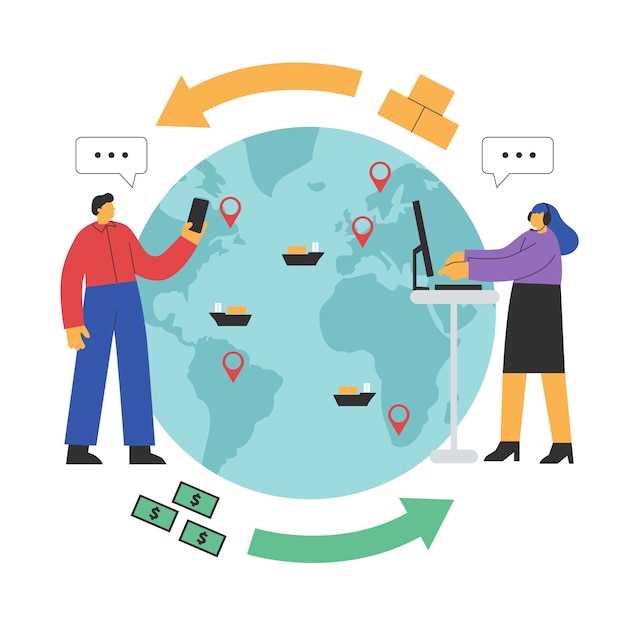
Implement end-to-end traceability on a single platform and publish a quarterly supplier performance report to customers; this creates immediate visibility into where materials originate and who owns each step, with the issuance of certificates and verifiable transaction histories for each order delivered.
Start with sustainable materials mapping and expand to all suppliers, with many suppliers included, establishing a public-to-private data sharing model that protects sensitive data while giving customers clear visibility. They can access a concise, customer-facing summary of material provenance and supplier roles that shows who touched what, when, and where.
Set concrete KPIs and align finance and operations: on-time delivery, defect rate, and supplier compliance with ethics codes; track changes across months, and require semiannual audits to validate data. For example, within the first six to twelve months after the established baseline, 95% of masks in the product line should be delivered on time, with materials impacted by shocks clearly flagged.
Adopt practical governance: create cross-functional supplier risk roles, with procurement and finance collaborating on cost controls while maintaining well-structured processes, having integrity, and ensuring data quality; use a supplier scorecard that tracks economic and ethical performance and links to procurement decisions. The data helps them continue to optimize and compare suppliers and adjust contracts as they evolve, with similar data formats across suppliers to facilitate comparisons, ensuring costs stay manageable.
Communicate benefits to customers: they see a significantly improved relationship with suppliers and a transparent chain; customers trust brands that can show provenance and accountable performance, which can boost orders and retention even in a boom cycle. Looking to September and beyond, a transparent approach supports sustainable growth without sacrificing efficiency.
Finally, implement a phased rollout: start with critical components, then extend to tier-2 suppliers; map transactions and ensure the same data quality across suppliers, with standardized formats and regular cadence. This approach reduces costs and improves supplier collaboration, enabling a sustainable competitive advantage.
ERC relief specifics for transportation manufacturers: eligibility, credit rate, and eligible wages
Claim ERC relief now by running a wage-by-wage analysis for 2020 and 2021 and align the results with your finance plan to reduce debt and long-term costs. Transportation manufacturers with U.S. employees can recover a meaningful portion of wages paid during disrupted chains, especially where government orders or sharp drops in receipts impacted operations.
Eligibility hinges on meeting the criteria for an eligible employer in the transportation sector and showing wages paid during periods affected by a government order or a decline in gross receipts. For 2020, a 50% decline in gross receipts compared with the same quarter in 2019 qualifies, while 2021 uses a 20% decline. Recovery startup rules extended eligibility in 2021 for certain entities. If you faced multiple facilities, you can consider the broader company impact and combine employees across sites to maximize the credit, provided you avoid double counting.
Credit rate details are straightforward: 2020 offered a 50% credit on qualified wages up to $10,000 per employee for the year (maximum $5,000 per employee). 2021 raised the incentive to 70% of qualified wages, with the $10,000 cap applying per employee per quarter (maximum $7,000 per employee for the year). For a large transport operation with several shifts, this can translate into substantial cash back, especially when you actively capture health-plan costs as part of qualified wages.
Eligible wages include wages paid to employees who perform services during the eligible periods, plus allocable qualified health plan costs. Wages counted for ERC cannot be double-counted with wages used for PPP forgiveness, so coordinate with your finance and HR teams before claiming. Include payroll taxes that support Social Security and Medicare, and document the time periods and reasons (government order or gross receipts decline) that make those wages eligible. For transportation manufacturers with international exposure, these funds can offset costs tied to maintaining critical staffing in the face of global supply chain pressures.
To implement, pull wage data by employee and by quarter, identify which periods qualify, and apply the applicable rate caps. Prepare amended payroll filings (Form 941x) for 2020 and 2021 where needed, and evaluate whether you can offset credits against payroll tax liabilities. If you previously received PPP funds, separate the wages used for forgiveness from those eligible for ERC. Maintain detailed records of government orders, revenue declines, and employee compensation to defend the claim in audits and to support your case during negotiations with lenders or with customers who rely on your continued capability.
This approach strengthens your company’s financing posture and supports your customer commitments without increasing long-term costs. By actively pursuing ERC relief, you protect equity and stabilize cash flow, helping you defend efforts to keep skilled employees, including engineers and shop floor teams, on payroll. In a global context, ERC can be a pragmatic tool to reduce the financial exposure discussed in past dealmaking conversations, support European and Asian supply chain partners, and maintain a fair competitive position in years ahead.
Practical steps to claim CARES Act ERC: documentation, timelines, and compliance controls
Assign an ERC owner and run a rapid eligibility check for 2020 and 2021 using payroll totals, revenue comparisons, and activity declines. This approach accelerates claims and clarifies who signs off on the data. Build an outbound workflow with payroll providers and tax authority contacts, and map responsibilities to a clear relationship across finance, HR, and treasury. Deliver a first calculation of eligible wages within two weeks, and set a standing cadence for updates across the year.
Documentation: Collect core items: quarterly payroll registers, Form 941 filings and any 941-X, employee-level wage data, and receipts showing declines in gross receipts. Include records of qualified health plan costs attributable to the period under public-health programs; document PPP interactions with wages to avoid double counting; assemble a ledger showing how each wage line contributes to ERC.
Timelines: For 2020, credits are claimed via Form 941 for applicable quarters; if you amend, file Form 941-X within three years from the original due date. For 2021, credits are claimed via the quarterly 941 filing; amended filings follow the same three-year window. Build a calendar with quarter end dates and plan to have calculations and supporting docs ready within 2-4 weeks of quarter end.
Compliance controls: Implement two-person review for ERC calculations, reconciliations between payroll data and credit amounts, and a single source of truth for all numbers. Maintain an audit trail with versioned spreadsheets and stored PDFs; separate duties across data collection, calculation, and approvals; lock critical files with access controls; ensure no overlap with PPP wages; create a quarterly certification by leadership.
Process and technology: Use your payroll provider or ERP to export data; maintain an ERC ledger; link each employee’s wages to a claimed amount; produce a quarterly reconciliation; store all documentation in a structured folder with search tags; ensure retention for the period required by tax law.
Global context: For multinational operations, coordinate with counterparts in european and asian operations; discuss inbound and outbound processes; align with public-health programs and treatments; use ERC refunds to stabilize operations and support deals with lenders and suppliers, delivering resilience in the face of rising costs and a changing business environment.