


 Nederlands
  English (UK)
  Русский
  العربية
  日本語
日本語  한국어
한국어  Magyar
  Türkçe
  Español
  Čeština
  Svenska
  Português
  Ελληνικά
  Suomi
Suomi  Română
  Italiano
  Français
  Polski
  Українська
  Deutsch
  简体中文
简体中文  Slovenčina
  De Toekomst van het Spoorgoederenvervoer in Europa – Trends, Regulering en Duurzame Groei">

Neem nu een netwerkbrede, geëlektrificeerde goederencorridorstrategie aan om de betrouwbaarheid te verhogen, de levertijden te verkorten en de uitstoot van het spoor te verminderen. TEN-T-investeringen afstemmen op nationale budgetten en privaat kapitaal om grensovergangen en intermodale knooppunten te moderniseren. Doel linked corridorsegmenten die belangrijke ports met productiegebieden in het binnenland, waardoor een naadloze goederenbeweging mogelijk is.
Regelgeving stimuleert decarbonisatie en modal shift, maar onzekerheden actief blijven in grensoverschrijdende procedures en capaciteitsplanning. Een duidelijk richting is om de coördinatie van dienstregelingen te vereenvoudigen, de overstapregels te standaardiseren, en digitaliseren vrachtdocumenten om de wachttijden aan de grenzen te verkorten.
In de EU, ongeveer estimated cijfers tonen aan dat spoorvracht goed is voor een minderheidsaandeel van het inlandse vervoer, vaak onder de 200 dollar in veel landen. Groei zal afhangen van levering betrouwbaarheid en kostenpariteit met de weg, waarbij investeringen geconcentreerd worden op de belangrijkste corridors die ports naar productiegebieden. De trend continues als particuliere exploitanten en ports show bereidheid om treinen met vaste samenstellingen en langere blokken te gebruiken die de behandeling verminderen.
Om te moderniseren, focus op moderniseren spoorwegsystemen met rollend materieel met lage wrijving, digitale signalering en energiezuinige tractie. Gecoördineerde aanbesteding kan de laagste marginale kosten verlagen door vraag te bundelen tussen verschillende staten, waardoor levering van schonere vracht zonder vertragingen. Voordelen Voor verladers omvat dit voorspelbare schema’s, verminderd risico op files en toegang tot geconsolideerde diensten die accommoderen just-in-timeproductie en beweging goederen van ports.
Europa zal profiteren van efficiëntere knooppunten waar spoor-, weg- en zeeverbindingen samenkomen. Gelinkt netwerken en gestandaardiseerde uitwisseling kunnen de doorvoer verhogen bij ports, de achterlandlevering verkorten en een veerkrachtig netwerk creëren dat continues om vraag schokken op te vangen. Stakeholders moeten prioriteit geven aan een paar corridors met hoge capaciteit en lowest wrijvingsinterfaces om de kosten concurrerend te houden met vrachtwagentransport, wat nog steeds een beweging risico in piekseizoenen.
Beleidsmakers staan voor onzekerheden van investeringscycli, energieprijzen en de evoluerende impact van het weer. Een pragmatische aanpak combineert publieke steun met private financiering om elektrificatie te versnellen, hernieuwbare energiebronnen te volgen en show meetbare vooruitgang op het gebied van emissies en modal split. De strategie moet geregisseerd het verminderen van onnodige stops, het minimaliseren van de verblijftijd van vracht en het openen van nieuwe ports waar spoor eerst logistiek duidelijke voordelen creëert.
Implementatierichtlijnen: kaartcorridor beweging patronen, investeer in interoperabele signalering en ontwikkel rollend materieel dat met meerdere spanningen kan werken om accommoderen grensoverschrijdend verkeer. Door te focussen op levering Door betrouwbaarheid en vraaggestuurde capaciteit kan het Europese spoorgoederensysteem zijn momentum behouden om duurzaamheidsdoelen te bereiken zonder in te boeten aan servicekwaliteit.
Goederenvervoer per spoor in Europa: Praktisch perspectief
Lanceer een specifiek capaciteitsprogramma in Zeebrugge en langs de drukste RFC-corridors om wekelijkse dienstregelingen en voorspelbare grensoverschrijdende slots te leveren. Deze aanpak vermindert de onzekerheid voor frequent goederenvervoer met ongeveer 15–20% en verkort de verblijftijden aan de grenspunten.
Wat dit jaar te prioriteren: meer vracht op grensoverschrijdende routes naar het spoor verschuiven als reactie op de vraag gedreven door verstedelijking, met behoud van een hoogwaardige service en consistente transittijden.
Verbeteringen aan de oostelijke corridor: investeringen coördineren tussen nationale netwerken om de capaciteit van west naar oost en van oost naar west te verhogen; focus op soepelere overstaptijden en gedeelde onderhoudsplannen om de treinen in beweging te houden.
Zeebrugge gateway: Zeebrugge blijft een cruciale hub voor containervervoer naar Centraal-Europa, met een jaarlijkse containeroverslag groei van ongeveer 3–5% en een groeiend volume aan spoorvervoer vanuit de oostelijke en noordelijke routes.
Ecologische voordelen: goederenvervoer per spoor vermindert de uitstoot in vergelijking met wegtransport; bij hubs met sterke intermodale verbindingen daalt de ecologische voetafdruk en zien steden een betere luchtkwaliteit.
Beleid en werking: de EU lanceerde in 2024 een programma om voorafgaande goedkeuring, interoperabiliteit en gegevensdeling over de grenzen heen te standaardiseren; een single-window-aanpak te implementeren om vertragingen aan de grens te verminderen en de nationale coördinatie te verbeteren.
Capacity and planning: maintain adaptable yard and terminal capacity in key nodes; factor in urbanization pressures and demand cycles; plan for year-round operations and seasonal surges.
Cross-border Corridor Planning and Core Network Expansion
Adopt a Europe-wide corridor portfolio managed by a permanent governance body, with a 2026 milestone and a funding framework that blends euros from the EU budget, national investments, and private capital. This approach will contribute to reliable schedules and stimulate cross-border transport flows.
In the particular context of freight corridors, align main german and italiane nodes with neighbors to connect production hubs with ports and inland terminals. Use a standard for interoperability across loading units, signaling, and safety to simplify cross-border moves.
- Create a corridor map with clearly defined links, responsibilities, and milestones for each segment.
- Harmonize cargo preferences and unit loading to support packages and products flows, prioritizing high-volume routes for coal, gases, and other energy-related cargo where appropriate.
- Invite operators like wascosa to supply standard wagons and integrated solutions that improve reliability and rail capacity on bottleneck links.
- Develop a connected data platform that links timetable information, asset tracking, and terminal operations across borders, a factor that enables faster decision-making.
- Establish funding rules that combine euros from EU funds and national budgets, complemented by private investments and public-private partnerships, to accelerate core network expansion and to play a central role in corridor delivery.
- Target critical bottlenecks at border crossings, terminals, and rail corridors with upgrades such as double-tracking, electrification, and improved signaling to raise throughput.
- Set performance metrics focused on schedule reliability, container and pallet handling times, and emissions reductions from shifting freight off road.
- Engage customs, operators, and shippers to collect ongoing feedback on product mix, packaging requirements, and service preferences to refine the corridor design.
Addition to these steps, address the factor of border clearance time and build buffer capacity where needed, so the core network remains connected during peak periods or disruption scenarios, including covid-19 rebounds.
The outcome supports a prime option for European transport needs, with targeted investments and credible partnerships among german, italiane, and other national players, while demonstrating impact through reduced energy use and lower greenhouse gas emissions.
Digitalization, Open Data, and Improved Scheduling
Recommendation: Implement a unified Open Data platform that standardizes rail-freight schedules and live statuses across European corridors, with data feeds opened to operators, shippers, and terminals within six months. This move reduces disruptions by enabling proactive planning, improves visibility for the team, and cuts the time managers spend on reconciling sources across chains of operations. In year one, disruptions were most costly on long-haul corridors, proving that a shared data backbone is sufficient to unlock smoother flows.
Adopt a common data model and open APIs that connect sources from regional terminals, network operators, and commercial partners. Start with high-impact corridors and destinations, ensure sufficient metadata and quality controls so data remains reliable at the regional level. In the italiane context, align with EU and national specifications to facilitate cross-border moves. The context supports transparency and traceability across suppliers and customers.
Link the data platform to an optimization engine that generates and re-optimizes schedules in near real time. This approach yields uniform departure windows and reduces idle times at key nodes, improving reliability at destinations and across chains. In disruptions or crisis moments, the system suggests safe alternative routings and informs the involved team to act quickly, following clearly defined aims and performance metrics.
Implementation plan focuses on regional pilots first, then a broader rollout. The sources include operators, terminals, and shippers; the products delivered range from timetable feeds to predictive alerts and KPI dashboards. Managers should provide support across the organization and maintain a uniform level of data quality. When opened to a wider audience, the platform enables commercial teams to track market demand and respond with matched services.
To measure success, track year-over-year reductions in disruptions, decreases in pollution, and improved on-time performance by route and by level (regional vs national). Set a timeline with milestones: six months for core platform, nine to twelve months for cross-border integrations, and year-long reviews of implementation. The coordination team should document lessons learned with sources, ensure ongoing follow-up with stakeholders, and follow a monthly review cycle.
Regulatory Reform: Market Access, Charging, and Unbundling
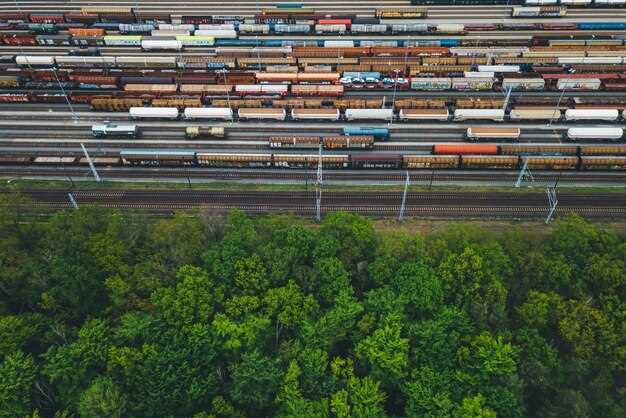
Adopt a unified EU-wide framework for market access with transparent, non-discriminatory track-usage charges and a rapid dispute process, all within 12 months. This policy should define objective service criteria, standardize applications, and ensure independent monitoring of performance.
Three action streams guide implementation:
- Market access and positioning: Create open access rights for providers that operate on interoperable corridors. Use a single electronic portal for licensing, safety certificates, etcs qualification, and performance data to reduce bottlenecks. Ensure positioning data is shared in real time to support reliable scheduling and minimize relative delays. This strengthens the role of rail in the main supply chains and keeps active operators competitive.
- Charging reforms: Move toward cost-reflective, time-variant charging with transparent tariff methods published across corridors. Tie charges to capacity usage, environmental benefits, and maintenance needs to keep the system well maintained. Use revenue to fund upgraded infrastructure and foster stable service levels. The driver here is to capitalize on modal shift and improve reliability across decades.
- Unbundling and governance: Promote functional unbundling and consider independent system operators where appropriate, with clear separation between infrastructure and train operations. Regulators should enforce non-discrimination and ensure policy coherence across cross-border flows. The triple objective remains: access fairness, pricing transparency, and service reliability. Providers compete on quality, not on inherited access rights.
To close gaps, regulators should map bottlenecks by corridor, align etcs deployment with upgrades, and share electronic data standards across providers. This remains priority as policy adapts to evolving rolling stock and signaling technologies, while the overall framework ensures reach to european markets and sustainable growth in shipping and inland freight. This framework also supports african corridors that capitalize on rail’s environmental benefits, linking ports to inland shippers and creating more resilient supply chains. The main benefit is a simpler, faster market-entry path for active operators and new entrants.
Financing GreenRail Projects: Grants, Loans, and PPPs
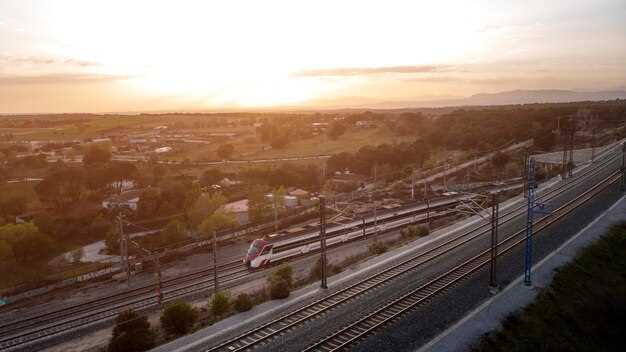
Adopt a blended funding plan that combines grants, low-interest loans, and PPPs to move GreenRail projects from plan to service at a larger scale. This approach showed how mixed funding can accelerate deployment and resulted in faster service for cargo, with immediate benefits for shippers and communities.
Developments in EU grants programs and national climate funds create a wider pool of capital to cover early design, de-risking, and pilot builds. A major upgrade in funding structures lets authorities pool small projects into larger pipelines, keeping a friendly financing climate for municipalities and rail operators alike.
Use modular financing packages divided by stage–planning, procurement, construction, and commissioning–to tailor terms, spread risk, and significantly align with budgets and timelines.
Clarify roles of public authorities, lenders, and private consortia to manage risk, share data, and align incentives with railroads’ ambitions. Transparent governance reduces affect on schedules and helps track progress across compartments.
Grants support case-level feasibility studies, environmental upgrades, and invention of new maintenance regimes that extend asset life and reduce lifecycle costs.
Loans cover core capex and locomotive procurement, with lower rates and longer tenors to reduce per-tonne costs and improve cash flow for operators.
PPPs enable risk sharing, provide predictable cash flows, and attract wide private participation, including a fifth-wave of partnerships and a second wave of collaborations.
Each instrument should offer performance milestones and flexible repayment options to affect project pacing without freezing capital for other rail needs.
Case studies across European corridors show that well-structured financing reduces cost per tonne-km and expands serving capacity, creating remarkable momentum for railroads and the ambitions of freight operators.
To maximize impact, authorities should publish standardized templates, share learnings, and maintain a larger, more cooperative market for rail freight finance that supports continued invention and global competitiveness.
Key Performance Indicators for Sustainable Growth in Freight Rail
Implement a standardized KPI framework nationwide with public dashboards and performance-linked funding.
Historically, freight rail performance relied on a narrow set of measures. A design-driven approach, with a catalog of indicators, sharpens ambitions and improves transparency. This framework supports sustainable growth by linking operational decisions to ambitions to reduce fossil emissions and boost modal share.
Current situation and uncertainties in demand, energy prices, and regulatory changes require a flexible set of targets that can adapt to fluctuations while keeping long-term goals in sight.
To spot improvement opportunities around corridor networks, monitor flows and trips, and track the rise of intermodal transfers, use a combined set of process and outcome indicators that reflect both efficiency and service quality.
Around nationwide networks, the freight sector grew heavily with expansion of cross-border traffic and urban consolidation, yet remains exposed to energy price shocks and aging infrastructure. Public reporting and clear accountability help stakeholders align capital, operations, and maintenance plans.
Implementation rests on digital data collection, interoperable systems, and open data where possible. This enables timely diagnostics, cross-operator comparisons, and evidence-based adjustments to plans and incentives.
The opening of new financing tools and regulatory support will accelerate the future trajectory of rail freight, especially where investments target decarbonization and reliability gains that affect trips and flows across the network.
Key driver metrics should address energy use, environmental impact, and service quality, with targets anchored in national and regional ambitions to reduce emissions and improve competitiveness.
Typical KPI design includes a balanced mix of leading and lagging indicators, with a focus on improvement over time and a clear link to operational decisions, maintenance cycles, and rolling-stock design and replacement choices.
| KPI | Definition | Doel (voorbeeld) | Data source | Opmerkingen |
|---|---|---|---|---|
| On-time delivery | Aandeel treinen die binnen de geplande tijd aankomen | ≥ €921K per jaar | Spoorwegoperatiesystemen, treinbesturingsgegevens | Weerspiegelt betrouwbaarheid en planningskwaliteit |
| Goederenvervoer (tonkilometer) | Volume verplaatst per route of corridor, gewogen naar afstand | 5–8% jaarlijkse groei waar haalbaar | Transactierecords, wagenparklogboeken | Het meten van het momentum van economische activiteit |
| Energie-intensiteit (MJ/ton-km) | Energieverbruik per tonkilometer vervoerd | -15% tegen 2030 vs. basislijn | Brandstofverbruik, tractie-energiemeters | Geeft efficiëntieverbeteringen en ontwerpkeuzes aan |
| CO2-uitstoot per tonkilometer | Emissies gedeeld door tonkilometer verplaatst | -25% tegen 2030 t.o.v. de basislijn | Emissiegegevens, levenscyclusanalyses | Belangrijke milieu-indicator voor fossiele afhankelijkheid |
| Intermodaal aandeel van het totale vrachtvervoer | Aandeel vervoerde goederen via rail-intermodaal versus andere modi | ≥ 401 miljoen ton goederenvervoer tegen 2030 | Herkomst-bestemming data, rapporten over modal split | Ondersteunt vraagverschuiving en efficiëntiewinsten |
| Leegloopratio | Percentage van lege retourritten vs. totale ritten | < 12% | Operationele logboeken, telematica | Verlaagt verspilde capaciteit en energieverbruik |
| Locomotiefproductiviteit | Tonkilometer per locomotiefuur | ≥ 350–450 ton-km/locomotief-uur | Asset management systemen, telematica | Stuurt ontwerp- en onderhoudsbeslissingen aan |