


 Nederlands
  English (UK)
  Русский
  العربية
  日本語
日本語  한국어
한국어  Magyar
  Türkçe
  Español
  Čeština
  Svenska
  Português
  Ελληνικά
  Suomi
Suomi  Română
  Italiano
  Français
  Polski
  Українська
  Deutsch
  简体中文
简体中文  Slovenčina
 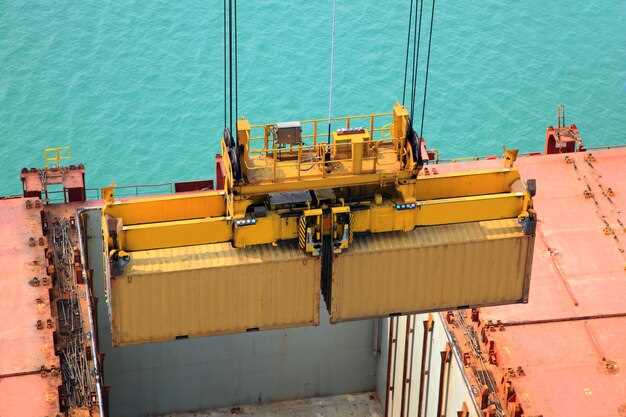 What Happens When Shipping Containers Burst Open at Sea?">

Isolate the zone immediately and notify coast guard officers; begin retrieval of the spilled load and restrict access. A rupture can cause the cargo to split and shift on deck, creating floating hazards, shifted ballast, and unpredictable debris trajectories that require fast, disciplined response.
Escaped contents can volatilize into toxic plumes; many items are packed and stuffed in crates, and the wind can spread fragments across the surface; with strong currents these fragments become a contaminant trail that threatens birds, fish, and swimmers. Some materials are poisoned, requiring responders to avoid direct contact and to use PPE; responders rely on packing lists and labels to determine the danger type, and to guide safe cleanup with cleaner equipment. Aerial overflight is often used to map the extent of contamination, and officers coordinate the search for floating debris to retrieve critical items. A log published by authorities notes any item that is poisoned or hazardous, so weighed risk can inform the response. A label on some crates even indicates withanage, signaling special handling requirements.
Operational guidance is anchored by the principle to comply with maritime safety protocols. According to incident reports, responders should establish a safety perimeter, secure the load’s stowage, and coordinate with officers and salvage teams; retrieval must be done gradually to avoid further fragmentation. For packs that carry hazardous materials, packing density matters; if a cargo unit ruptures, fittings can tear, causing additional splits and further risk to rescue teams. therefore, the goal is to retrieve valuable items while minimizing exposure to crew and wildlife.
The aftermath is described in stories published by authorities and captains; lessons stress rapid isolation, coordinated salvage, and preventing secondary pollution. Lost cargo may split and disperse, releasing contents into the Ocean and forcing responders to adapt on the fly. In many cases, the story of an incident shows how investigators weighed evidence, retrieved samples, and traced debris that drifted with currents and winds; although the hazards can be persistent, response teams learn to raise safety standards and packing requirements to reduce recurrence.
Immediate effects, risks, and practical questions for ship operators
Immediately isolate affected cargo units, secure adjacent holds, and suspend loading or discharge operations until an informed assessment from the department is complete. Use provided checklists and refer to the published guidance to maintain compliance; assign a dedicated fellow to monitor stability and coordinate with onshore teams, including overflight observers when available; ensure gear include absorbents, barriers, and rapid-response kits.
Major risks include rapid weight redistribution causing list or trim changes measured in meters, potential damage to hatch covers and deck machinery, leakage of hazardous contents, and contamination of the seabed. Strange shifts can occur when deep-sea items fail under stress, raising the probability of uncontrolled movement and requiring immediate containment. Mouths of vents or openings may draw air or water, escalating exposure risk to crew. Earlier incidents show that delays in response amplify damage and total losses; thus, quick, decisive action is essential.
The master and operator must align on the role and jurisdiction for the response, ensure compliance with regulations, and maintain mutual aid channels. The boat’s crew, shoreside teams, and external responders must stay coordinated to prevent losing control of stability, while ensuring essential data is preserved for later analysis. Content from the response should feed the initiative to improve designs, training, and procedures in the worlds of logistics and safety, including input from ruyant and fellow chris and colleagues in other fields such as hydrography and meteorology.
Practical questions to guide action include: which standards govern ballast corrections, how to assess real-time stability with limited data, which meters indicate safe limits, how to coordinate with arriving rescue teams and overflight observers, and which jurisdiction applies for reporting and remediation. Also, which channels best serve rapid updates to the content audience, and how to document decisions for later review by the department and external partners?
| Question | Recommended action or data |
|---|---|
| Stability indicators (list, trim, heel) | Record live values, meters of trim change, ballast status; maintain conservative margins and report to onshore control |
| Containment readiness | Deploy absorbents, booms, and barriers; verify leakage paths and seabed impact; establish containment zones |
| Coordination with responders | Notify authorities and arriving boats; align with overflight observers; confirm applicable jurisdiction for actions |
| Communication and reporting | Provide concise, timestamped updates to the department; publish key content to the incident portal for the worlds audience |
| Data integrity and records | Capture readings from early to current phase; include input from fellows in fields like hydrography; ensure data is provided for post-incident analysis |
| Recovery and salvage planning | Outline safe re-entry, post-incident inspection, and salvage options; document decisions for review by ruyant and chris |
Causes and triggers: why containers rupture at sea and how weather, stacking, and lashing contribute
Recommendation: enforce stringent planning and robust lashing on all long-haul lanes, cap stacking height on high-wind routes, and require crews to log securing methods in self-reported formats. Experts said most failures stem from planning gaps and inadequate lashing, with reported incidents rising when units are stacked and wind intensifies entering transatlantic corridors.
Weather dynamics drive risk: wind gusts, squalls, and shifts in pressure can multiply loads on heavy boxes; risk becomes greater when lanes converge into storms along the ocean tracks. In the Pacific and transatlantic routes, seasoned crews describe sudden changes that stress lashings and restraint points. Video analyses show most failures occur during unplanned wind ramps and when securing does not reflect actual load changes.
Stacking behavior and restraint design set the difference between resilience and failure. When items are stacked beyond limits, the bottom layer bears shock from deck motion; crowded lanes increase exposure. Better planning for stacking limits and using redundant lashing gives a margin that helps prevent misalignment and body damage during heavy weather.
Limitations in reporting and reliance on self-reported logs challenge risk assessment. Experts note that many incidents were reported after the fact, which gives a partial view; more independent verification, including seabed surveys and port inspections, would improve estimates. Cases from the Pacific and Transatlantic lanes show how changes in securing practices helped reduce repeat failures, with discovering new failure modes becoming possible.
Material and packaging changes influence risk. Plastic wrappings or inner packaging can deform under load, changing how restraint points engage. Some nitric cargo requires tighter seals and dedicated containment, which in turn affects lashing strategy. Planning must account for dead weight, shifts on deck, and potential seabed interactions if a casualty occurs. Green ports and training parks near hubs support hands-on drills and help disseminate practical lessons across lanes.
Action items for operators and regulators. Invest in clearer planning standards, enhanced lashing guidelines, and routine cross-checks against wind forecasts. Use video and self-reported data to validate risk estimates, and share findings across the world to reduce incidents on both Pacific and transatlantic routes.
Contents and dispersion: how cargo behaves after a breach and what washes ashore or sinks
Immediately isolate the breach zone, deploy hazmat teams, and set up on-water containment using booms and absorbents to limit dispersion and protect the waterfront.
Coordinate actions under MAIB guidelines and with investigators, document the incident with rigorous inspection logs, and apply penalties when negligence is established; insured parties must file prompt claims and coordinate cleanup funding.
Keep mind on the drift path; responders track currents and surface calculations to project where cargo may migrate, enabling targeted containment and retrieval before it sinks or washes ashore in distant zones.
Dispersion follows buoyancy and current vectors: some contents float and drift, others become waterlogged and sink, while heavier units stay near the origin; containerships should ensure lashings remain secure and hatch covers closed to minimize release risk.
Environmental impact concentrates on hydrocarbons, solvents, and chemically treated cargo; cleanup teams prioritize shoreline protection, absorbent deployment, and wildlife response, with coastal authorities reporting progress to waterfront communities.
During the initial month, patterns emerge along major routes; washington regulators and other jurisdictions increasingly monitor ports, sharing data with united agencies to tighten inspection regimes and improve response times.
Buoyant contents such as a pearl or other lightweight items may wash ashore; detectable residues complicate efforts, prompting more thorough hazmat surveys and body recovery guidelines when necessary.
Sunlight accelerates degradation of packaging materials; increasingly, investigators remembers a pearl of practice: timing and weather influence dispersion, with sinking occurring after days to weeks depending on cargo type.
MAIB reports emphasize that lashings, hatch closures, and secure stowage reduce releases; ports should enforce inspection regimes and penalties to encourage consistent practice; insured operators should document containment readiness and fund timely cleanup.
Recommended actions for fleet managers include routine drills, pre-voyage checks, and documented response plans; transparent reporting supports community safety and liability management for materials that pose environmental risks.
Safety and navigation risks: fire, toxic fumes, entanglement, and collision hazards for nearby vessels
Establish an exclusion zone at once and notify maritime authorities to coordinate response; assign a dedicated lookout and implement AIS screening to prevent close approaches.
parroquín-ohlson remembers a case where the world institutes a rapid protocol; the event resulted in a devastating smoke plume and delay in maneuvering. The environment can shift winds that drive debris into the deep-sea current, thats why decoys and markers are used to direct traffic away from danger zones. Damaged units with packed cargo increase the risk of ignition, chemical release, and sudden movement that can entangle nearby crews.
- Fire risk: flammable or reactive cargo can ignite from a spark, heat, or friction; crews must maintain separation, avoid hot-work, and deploy water fog or aqueous spray to suppress incipient flames without compromising nearby vessels. The most dangerous scenarios involve mixed loads that accelerate spread and require rapid evacuation of nonessential personnel.
- Toxic fumes: volatile compounds release vapors that can drift with winds and linger in the upper atmosphere; monitoring with portable gas detectors is essential, and wind shifts warrant evacuation of nearby decks and safe routes for observers and responders. A visible plume mandates immediate disclosure to authorities and avoidance by other ships.
- Entanglement hazards: broken lashings, twistlocks, and protruding hardware can snag lines, propeller wash, or crew gear; distant observers should re-route to maintain clearance, and responders must work with tethers and buddy teams to extract affected mariners safely.
- Aanvaringsgevaren: ronddrijvend afval, verschuivend gewicht en meerdere bewegende doelen creëren onvoorspelbare trajecten; gebruik radar, AIS en visuele uitkijk om posities te registreren en bezoekende vaartuigen te adviseren ruim afstand te houden van de betreffende sector. Puinvelden kunnen zich verplaatsen door stromingen en omgevingswinden, waardoor het risico op ontmoetingen toeneemt.
- Reactieprotocol voor scheepvaart in de buurt: verklaar een no-gozone, bewaak de veranderende drift met trackgegevens en rapporteer ontwikkelingen aan de autoriteiten; indien mogelijk, zet lokmiddelen in om verkeer weg te leiden van de puincorridor en een vrije baan te houden voor hulpdiensten.
- Operationele richtlijnen voor het naderen van schepen: vermijd drukke routes, houd nauwlettend toezicht op beschadigde of verschoven ladingeenheden en volg de instructies van het leidende coördinatiecentrum. Als u ter plaatse aankomt, bereid u dan voor om de motoren te stoppen, ontkoppelingen te beveiligen en te helpen met slachtoffer- of olievlekbeheersing zoals aangegeven.
- Situationele dataverzameling: registreer windsnelheid en -richting, stromingen, zichtbaarheid en de staat van twistlocks en verpakking; beoordeel beperkingen van onboard sensoren en vertrouw op meerdere bronnen om de baan van de pluim en drijvend afval te bevestigen.
De precieze reactie van de autoriteiten hangt af van de omvang en duur van de verstoring; in veel gevallen worden plannen gaandeweg herzien naarmate waarschuwingen zich verspreiden en er nieuwe informatie binnenkomt. Sudhir benadrukt proactieve communicatie, snelle beoordeling en sectoroverschrijdende coördinatie om vertraging te verminderen en de gevolgen te minimaliseren. Naarmate incidenten zich ontvouwen, vereist het ontdekken van de meest efficiënte manoeuvreerroutes een zorgvuldige inventarisatie van middelen, het bijwerken van risicobeoordelingen en het zo lang mogelijk intact houden van de omgeving, totdat hersteloperaties beschadigde apparatuur vervangen en een veilige doorgang voor al het verkeer herstellen.
Milieueffecten: potentieel voor vervuiling, blootstelling van het zeeleven en uitdagingen bij langdurige sanering
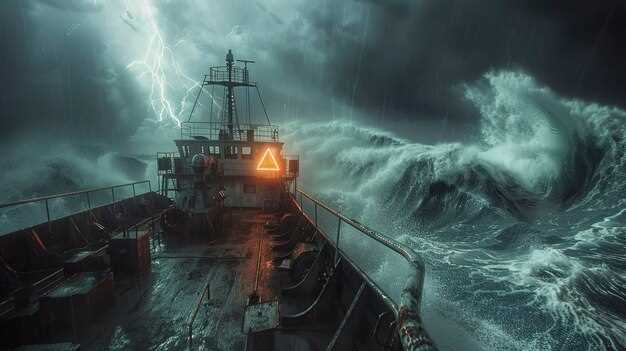
Zet onmiddellijk containment booms en snelle reactieteams in om de verspreiding te beperken en verdere contaminatie in getroffen corridors te stoppen door middel van gecoördineerde acties. Nauwlettende controle moet volgen om de omvang van de olievlek in kaart te brengen door middel van luchtsurveys en bemonstering van de kustlijn; autoriteiten toonden aan dat snelle, gerichte maatregelen de schade op lange termijn verminderen.
Het milieu loopt het risico op vervuiling door brandstoffen, oplosmiddelen en ladingresten, waarbij lekkages de saliniteit, zuurstofniveaus en microbiële gemeenschappen decennialang kunnen veranderen. In getijdengebieden kunnen olievlekken verontreinigingen naar estuaria brengen en habitats en visbestanden bedreigen. Incidenten in de buurt van de corridors van Japan en Taiwan hebben aangetoond dat kustgemeenschappen zelf melding maken van gevolgen; miljoenen organismen, waaronder zeevogels en kleine walvisachtigen, hebben geleden onder blootstelling; experts waarschuwen dat de problemen zullen aanhouden zonder snel ingrijpen.
Blootstelling van het zeeleven versnelt de accumulatie langs voedselketens, wat leidt tot verliezen en biodiversiteitsverlies bij commercieel belangrijke soorten en roofdieren. Het risico neemt toe bij het vervoer van gevaarlijke lading door drukke transitroutes; afscherming voor schepen en het inplannen van havenbezoeken moet contact met kwetsbare habitats minimaliseren. Vier belangrijke blootstellingsroutes – inname, inademing, contact met de huid en trofische overdracht – leiden tot verliezen; herstel kan vervolgens jaren duren.
Langdurige opruimingsuitdagingen vereisen duurzame financiering en grensoverschrijdende coördinatie. Decennia aan inspanningen worden verwacht, en de kosten kunnen hoog oplopen naarmate materiaal veroudert en moeilijker te verwijderen wordt. Trans-Atlantische routes illustreren de schaal, terwijl de havens van Kaohsiung en Taiwan regionale lasten illustreren; Gard werkt samen aan het delen van gegevens, standaarden en getrainde hulpverleners om duplicatie te voorkomen en resultaten te verbeteren.
Geïnformeerde beleidsmakers en rechtbanken zouden moeten eisen dat vervuilers opdraaien voor de opruiming, waarbij zelf-gerapporteerde data van kustjagers en vissers gebruikt worden voor risicokaarten. Milieuagentschappen kunnen drempels vaststellen die noodmaatregelen en saneringsovereenkomsten op lange termijn in gang zetten; miljoenen dollars aan potentiële aansprakelijkheid kunnen gericht worden op herstel in plaats van speculatieve beoordelingen. De clear Governance en afdwinging door de rechtbank zijn essentieel om commerciële activiteit in evenwicht te brengen met ecologische integriteit.
Reactie en preventie: rapportage, berging, verzekering en maatregelen om toekomstige incidenten te voorkomen.
Onmiddellijke actie: Geef binnen enkele uren een waarschuwing af aan de kustwacht en de vlaggenstaat, met vermelding van datum, positie, weer en geschatte verliezen aan boord van meerdere reuzen. Voeg manifestdetails, de route en het aantal vrachteenheden met materiaal toe. Neem contact op met reders en verzekeraars om een dedicated schade-expert aan te stellen; Sudhir van Lockton's kan het schadeclaimproces coördineren en zorgen voor tijdige dekkingsbeslissingen.
Coördinatie van berging: Mobiliseer zeevaartkundige experts met een bewezen staat van dienst om gevaren in te schatten, indien nodig een veilige haven voor de bemanning te creëren en de situatie te stabiliseren. Verzamel gegevens over sedimentverplaatsing, mogelijke brandstof- of chemicaliënlekkage en milieurisico's; spoel en verzamel monsters voor analyse. Instituten en commerciële bergingsbedrijven dienen tactieken te delen en een schoner milieu te handhaven tijdens de werkzaamheden; bekende best practices dienen te worden toegepast om verder verlies te minimaliseren.
Verzekering en aansprakelijkheid: Verzekeraars vereisen een formeel rapport met datum, weer, soorten lading en routegeschiedenis. Polissen van reders dekken doorgaans berging, aansprakelijkheid en ladingbelangen; commerciële verzekeraars coördineren met schade-experts en kunnen gelden voorschieten. Bewaar alle ontvangstbewijzen en logboeken; genoemde experts, en bevindingen uit onafhankelijke beoordelingen, stellen vast dat snelle rapportage de blootstelling vermindert. Het systeem omvat, opzettelijk, de mogelijkheid tot samenwerking met Sudhir en Lockton voor risicobeoordeling.
Preventiemaatregelen: Implementeer zorgvuldig stapelen en vastzetten van vrachteenheden om het risico op verschuiving te verminderen; beoordeel laadplannen en controleer de sjorstandaarden bij elke havenaankomst. Routespecifieke risicobeoordelingen moeten worden bijgewerkt door instituten en exploitanten; focus op bekende gevarenzones en seizoensgebonden weerpatronen; implementeer strategieën voor sedimentcontrole en gebruik waar mogelijk groene reinigingsmiddelen. Elk voertuig beschikt over een plan voor risicobeperking en de bemanningen moeten worden opgeleid om dit uit te voeren. Zorg ook voor voortdurende training voor de bemanning en walteams, zodat elke vrachtbeweging profiteert van een herhaalbare, op bewijs gebaseerde procedure. De route moet na incidenten opnieuw worden geëvalueerd en wijzigingen moeten worden gedocumenteerd voor toekomstig gebruik.
Data delen en verantwoordelijkheid: Stel een formeel, toegankelijk rapport samen met de route, datum, locatie, het risiconiveau en de ondernomen acties. Deel bevindingen met bekende instanties, instituten en reders om de paraatheid te verbeteren. Het onthouden van lessen uit eerdere gebeurtenissen helpt bij het verfijnen van procedures; meerdere partijen – reders, verzekeraars, regelgevers en experts – zouden geanonimiseerde actielogboeken moeten publiceren om het leren te versnellen en zorgvuldige, herhaalbare acties te stimuleren. Neem ook reflecties op van groene programmateams en milieu-instituten om preventieve maatregelen te versterken.
Milieu- en follow-up na het incident: Na stabilisatie verwijderen bergingsploegen gevaren en beginnen met het wassen van sediment en het bergen van afval. Monitoring door milieu-instituten houdt potentiële vervuilende stoffen in de gaten en coördineert groenere reactieopties; de inspanningen zijn gericht op het minimaliseren van verstoring van de habitat en het waarborgen van een correcte afvalverwerking. De gecombineerde kennis van zeevarende bemanningen en op behemoths gerichte vervoerders informeert de routeplanning, en commerciële exploitanten zouden voortdurende verbeteringen moeten implementeren om herhaling te voorkomen.