


 English (UK)
  Русский
  العربية
  日本語
日本語  한국어
한국어  Magyar
  Türkçe
  Español
  Čeština
  Svenska
  Português
  Ελληνικά
  Suomi
Suomi  Nederlands
  Română
  Italiano
  Français
  Polski
  Українська
  Deutsch
  简体中文
简体中文  Slovenčina

Implement city-wide hub-and-spoke logistics with biodegradable packaging now. This move reduces packaging waste and makes the logistic network more predictable, delivering faster service while cutting emissions significantly.
Cities have undergone pilots toward reorganizing delivery flows. Establish micro-fulfillment centers near dense neighborhoods; consolidate routes to cut idle miles; power charging with on-site renewables to minimize grid emissions; align with future demand.
To speed decarbonisation, deploy multi-modal transport: electric vans in dense corridors; cargo bikes for short trips; slower last-mile in low-traffic zones to reduce energy use without harming service levels; these choices improve impact and customer satisfaction.
Measure impact with concrete metrics: energy per parcel, emissions per delivery, and the share of packaging that is sustainable. Use this data to drive reduction and to guide producing innovations in operations.
To become a leader in greening parcel delivery, embrace transparency: publish per-delivery carbon intensity, track progress toward reduction targets, and invest in training and partnerships that accelerate decarbonisation across the supply chain.
By combining logistic excellence, sustainable packaging, and power from clean energy, cities can achieve measurable reduction in vehicle miles and improved service reliability, shaping the future of urban logistics.
Parcel Delivery in Cities: Greener Logistics and Mindful Shopping Habits
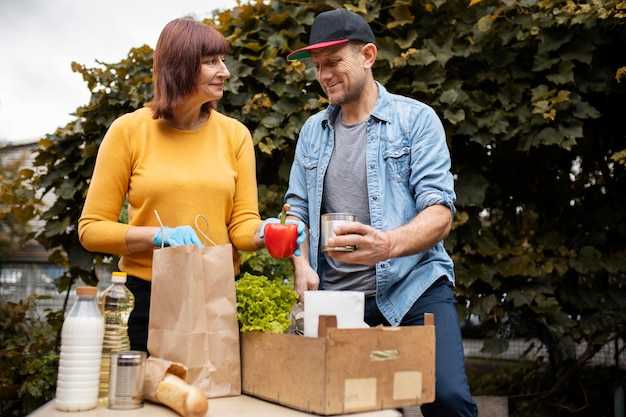
Choose a nearby pickup point or locker for most deliveries to cut last-mile transport-related emissions and spare residents from extra trips. This change supports the goal of cleaner streets and safer neighborhoods by reducing vehicle idling and congestion. Going with this approach, daily routines become smoother, and safety considerations at drop-off points stay a priority.
Mindful shopping habits matter: plan packages to be delivered in a single window, combine orders from the same retailer, and prefer options that offer consolidated deliveries within the same area. The following steps reduce wasteful trips and support a friendly, predictable flow for couriers, contributing to a lower footprint and aiding competition for greener logistics among operators.
Logistics teams experiment with alternatives like micro-fulfillment centers, electric cargo bikes, and coordinating with routing partners. These ideas reduce plastics in packaging, rely on electricity from clean grids, and coordinating with local retailers and authorities to limit noise and road use. Unlike single-move deliveries, these options stay focused on safety and reliability for residents and couriers.
Within city challenges, the goal remains to keep deliveries affordable while shrinking environmental impact. Coordinating with shops, delivery partners, and residents helps implement locked-hub pickups, bike-based last miles, and other alternatives. The daily habit of using reusable bags and avoiding unnecessary impulse buys contributes to reductions in packaging waste and transport-related emissions, including plastics.
Bottom line: base decisions on data, measure results, and share ideas with the community. By aligning buying patterns with greener logistics, you reduce wasted energy, support safer streets, and help make deliveries more predictable for them, while keeping competition healthy among operators focused on safety, reliability, and cost.
Urban Parcel Delivery: Practical Steps for Greener Logistics
Invest in near-urban warehousing and micro-distribution hubs within 5–8 km of dense districts to cut travel distances and fuel use by 25–40% per day. This main move concentrates volume from multiple shippers into fewer city-center trips, reducing road congestion and improving on-time performance. lets coordinate with retailers and carriers to share loading docks and common routes, so each vehicle carries more parcels per trip and less empty mileage. This approach works across multiple segments and scales with city size.
Energy and fleets: moving from pure combustion for urban legs to electric vans where possible; use biomass blends in diesel or biofuel for remaining legs. However, this shift will help keep service levels high while reducing emissions. Install charging points at warehousing sites; use solar or grid power to run operations. This investment in energy infrastructure will pay back through lower energy costs and better vehicle utilization.
Coordinated planning: use a shared data platform to minimize distances and times across operators. lets align shipments to reduce empty runs and raise load factors. Coordinating orders, pickups, and deliveries lets you promote payload sharing, which mean higher utilization and less congestion. The fashion of modular hubs expands capacity toward rising volume scenarios.
Operational excellence: adopt standardized packaging and warehousing procedures to speed loading; moving to palletized systems reduces the number of trips. This shift promotes higher efficiency across the network. Integrate curbside loading zones and smart signage to keep road traffic moving.
| Step | Action | Impact | Metrics |
|---|---|---|---|
| Near-urban warehousing | Set up micro hubs | Lower travel, consolidate routes | Distance reduced; trips/day |
| Fleet & energy | Introduce EVs; biomass blends | Lower emissions; quieter operations | EV share; fuel use |
| Coordinated planning | Share data; joint routing | Higher load factors; less idle time | Load factor; idle miles |
| Operations | Standard packaging; curb zones | Faster loading; higher throughput | Loading time; parcels/trip |
Urban Consolidation Centers and City Hubs for Deliveries
Open two Urban Consolidation Centers within 3–5 km of the city center and establish dedicated sorting teams to pre-assemble daily loads. This targeted move cuts daily trips by 25 to 40 percent, lowers costs, and improves on-time delivery. By pooling orders from multiple brands, you minimise unnecessary trips and reduce the carbon-based footprint of the last mile. The reach into dense neighborhoods expands, enabling more parcels to be delivered from a single run.
Choose a site with reliable power and spaces for pallets, sorting benches, and loading docks. Ensure capacity for climate-controlled zones for fragile goods and room to grow in production. A compact footprint, paired with good insulation and daylight, helps to minimise energy use.
Adopt a hub-and-spoke model: the main hubs handle bulk sorting and transfers, rather than scattered point-to-point runs, while home deliveries run from the consolidation centers to final destinations. Use a variety of carrier partners to broaden reach and improve service levels. Standardize packaging and labeling to simplify cross-dock and reduce handling times, delivering smoother flows across the network. A governance layer is implemented, ensuring predictable service levels.
Track metrics like daily parcel volume, percent reduction in vehicle distance, and space utilisation. A typical city with 1 million residents can process several thousand daily items at two centers, with 5–7 docks per hub and a capacity to handle peak loads while keeping costs predictable. With smart scheduling, 60 to 80 percent of last-mile loads can be served from the hubs, returning urban space to streets and reducing waiting times. This makes it easier to route deliveries and make the most of each stop.
Implementation steps: map catchment areas, select locations, install electric fleets, deploy dynamic slot management, integrate with retailers’ systems. Focus on dedicated fleets for hub-to-hub transfers and daily last-mile stock; this reduces idle time and maintenance costs while improving service reliability and economy.
These hubs reduce congestion and traffic, support home deliveries with minimal disruption to downtown cores, and enable more flexible returning undeliverable items. The approach yields measurable impact on productivity and daily delivery reliability. By consolidating goods in ideal spaces, production planning and distribution align to produce advantages for cities and businesses alike.
Smart Last-Mile Routing and Time-Window Management
Implement a time-window based routing engine that coordinates a dedicated pool of vans and driver teams, cutting travelled distance by 15-20% and improving on-time performance. Tie orders to precise windows using real-time traffic, weather, and inventory status to ensure efficiency and reduce idle time.
In europe, fleets operate together to meet diverse demands while reducing emitting. Pooling deliveries within the same zone lowers empty miles, boosts coverage of products, and improves health by cutting congestion and local pollutants. What works best comes from pilots that combine pooling with strict time windows. This approach relies on digital tools and an online report that aggregates data from pilot projects and articles.
Only well-specified time windows enable high vehicle utilisation.
- Capture demands and time windows from customers and forecasts, then feed them into a single planning model so planners see what fits and what doesn’t.
- Group orders by geographic clusters and time windows to maximise routes covered and kilometres travelled, ensuring each route touches several covered stops.
- Adopt a fleet mix with dedicated vans powered by biofuel or biogas, and evaluate electric or hybrid options for last-mile legs; align fueling with local infrastructure and schedules.
- Operate with digital tools that update in real time, using online dashboards, and generate concise reports; track metrics like on-time rate, distance travelled, and emissions per delivery.
- Build pandemic-aware resilience by adjusting windows for return patterns, scaling pools during peak seasons, and maintaining service levels as demands shift across regions and products.
This approach supports europe’s urban logistics by reducing emitting, improving health, and delivering what customers want faster, together with learning from online article studies that compile what works.
Mindful Shopping: Bundling Orders and Choosing Local Pickup

Recommendation: Bundle items into a single shipment to reduce trips and the spaces occupied by delivery fleets; coordinate multiple orders from nearby towns, and pick a single local pickup option to align schedules and avoid duplicates. This will cut waste and speed up deliveries.
Findings from pilots show bundling can cut last-mile mileage by 25-45% in dense areas, lowering fuel use and accelerating decarbonisation. A variety of retailers in towns benefited, proving this approach also improves convenience for customers and reduces returns. When customers aggregate items, handling times shrink, and a rise in efficiency can accompany packaging minimization, sometimes by using limited, reusable wrappers that save water.
Choose local pickup points that fit residents’ routines; coordinate with nearby stores to shorten travel times. Shoppers can pick up at a local hub or locker, reducing last-mile miles and street congestion. A bold set of options helps accommodate a variety of schedules across towns, from busy mornings to late evenings.
Operational steps: create a single version of the bundle, set a clear pickup window, and share the details with drivers and partners. This will make the process predictable and support decarbonisation across the network. In this model, convenience remains high while emissions decline; this article will guide shops and couriers toward better coordination.
Challenges include coordinating data across platforms, keeping accurate bundle inventories, and dealing with limited stock fluctuations. To address this, teams pursue a bold communication with customers and focus on improving operations. This is not the former approach; it is a practical path that fits fashion and other goods, aligning with decarbonisation goals while reducing water use through smarter packaging.
Conclusion: mindful shopping with bundling and local pickup builds resilient logistics, reduces emissions, and improves convenience for customers. The article’s findings show this strategy will scale across towns, times of day, and product varieties, with benefits for spaces and water and overall greener logistics.
Parcel Locker Networks and Flexible Delivery Points
Launch a six-week pilot with 12 locker units and 6 flexible pickup points across three dense districts. Use a simple app to issue access codes and schedule pickups, delivering 24/7 access and cutting missed deliveries.
- Accessibility and coverage: place lockers at transit hubs, large office complexes, supermarkets, and residential corridors. Track pickup counts by zone to identify gaps and reallocate units quickly, boosting total accessibility.
- Layers of service: combine fixed locker banks with mobile pickup options and pop-up hubs at peak times, creating multi-layer coverage beyond core hours without expanding courier trips.
- Operational efficiency: optimize courier handoffs at central depots, reducing vehicle miles and energy use by 15-25% in the pilot. Report energy use per parcel and adjust routes weekly.
- App and data integration: connect locker management with property management apps via an API. Real-time status signals allow couriers to avoid failed deliveries and reschedule attempts automatically.
- Costs and scalability: share costs between property owners and parcel operators, reducing total installation costs for each party. Use standard hardware that supports modular growth; estimate capex around $25k per unit in dense zones and opex savings in the 30–40% range over door-to-door service in the pilot.
- Customer experience: customers get a single interface to locate nearby lockers, view availability, and schedule pickups; include accessibility features such as large text and screen reader compatibility.
- Locker utilization: target above 75% occupancy in core zones during peak hours.
- Delivery success: aim for 95% of parcels retrieved on first attempt.
- Distance savings: record average last-mile distance avoided per pickup; target roughly 1.2 km in dense districts.
- Cost impact: track upfront capex and ongoing costs versus traditional home delivery to reach a net cost reduction in the pilot.
- Operational resilience: monitor fallback options when a locker is temporarily unavailable and keep a small pool of quick-turnaround replacements ready.
Greener Fleet Options: Cargo Bikes, Electric Vans, and Driver Training
Start with a two-city pilot: deploy cargo bikes for last-mile logistic in dense urban areas in europe, targeting 25 percent of home deliveries in the city center within year one, and measure on-time rate, energy use, and emissions.
Cargo bikes excel on short, frequent routes in tight cores, delivering fast where cars stall. They slash energy use and emissions, while offering simple loading, weather protection, and flexible parking. In typical conditions, cargo bikes generate 60-90 percent lower CO2 and 60-80 percent less power consumption per 5 km loop compared with diesel vans.
Electric vans provide coverage for longer routes and higher volumes, maintaining access to non-core areas while keeping last-mile logistic efficient. Plan a mixed fleet: cargo bikes for home deliveries in dense zones and electric vans for routes with longer leg distances. In europe, a typical fully electric van yields 50-70 percent lower emissions than its diesel counterpart if the grid mix is similar; expect ranges of 180-300 km per charge and charging times of 2-4 hours at depot hubs. Upfront costs can be 15-30 percent higher, with a payback in 3-5 years based on mileage and service requirements. These choices support the local economy by reducing congestion and improving reliability, enabling faster returns in commercial districts.
Driver training rounds out the trio: eco-driving, optimal route planning, and smart stop-start use, which can halve idle time and cut energy use by 10-15 percent. Training also reduces wear, improves safety, and boosts delivery reliability, supporting faster, more predictable home deliveries and calmer urban logistics.
Version plan helps translate the plan into action. Build two scenarios across three european areas: version A uses cargo bikes in all dense cores; version B adds a limited electric-van fleet for mid-length routes. Each scenario is evaluated for cost, emissions, and on-time rate over 12 months, guiding the choice of the best version for service level. This scenario informs decisions for rollout and scaling. Ongoing data collection continues to inform route optimization and power management, minimise energy use across modules.