


 Polski
  English (UK)
  Русский
  العربية
  日本語
日本語  한국어
한국어  Magyar
  Türkçe
  Español
  Čeština
  Svenska
  Português
  Ελληνικά
  Suomi
Suomi  Nederlands
  Română
  Italiano
  Français
  Українська
  Deutsch
  简体中文
简体中文  Slovenčina
  8 Praktycznych sposobów na redukcję kosztów logistyki transportu – oszczędzaj pieniądze i poprawiaj efektywność">

Początek with auditing carrier contracts and rates to identify charges on te loads that push koszty up. This move gives shippers more power in negotiations and reveals the specific line items that inflate the bill.
Then apply route optimization and load consolidation to cut miles and idle time, lower costs and improve reliability. Move smaller dostaw do truckload moves when possible, and schedule dock appointments to reduce waiting and down czas.
Wybierz opłacalny carriers and negotiate terms that fit your network. Standardize packaging and handling to reduce praca, loading errors, and damage, which boosts overall efficiency and lower costs.
Measure and manage key metrics daily to always stay in control. Track on-time performance, fuel efficiency, and load utilization to ensure most savings are realized and to identify where you can act fast.
Engage with shippers, carriers, and technology partners to expand visibility and flexibility. A well-structured supplier base and clear governance help you start small improvements that always compound, bringing down total costs while you manage complexity.
8 Practical Ways to Cut Transportation Logistics Costs – Save Money and Boost Performance; 6 Steps to Implement a Transportation Management System (TMS)
Start with a long-term, phased plan: roll out an in-house Transportation Management System to cut costs and improve service, focusing on route optimization, load consolidation, and tighter negotiating with shippers and providers.
Way 1: Optimize routes and consolidate loads to shorten transport times. Use real-time visibility and dynamic scheduling to reduce empty miles, align carrier capacity with demand, and keep shipments on the same day window whenever possible. This approach lowers costs and improves customer satisfaction, even when demand patterns shift.
Way 2: Standardize type of shipments and packing guidelines. Create uniform packaging, labeling, and documentation to streamline handling at warehouse nodes, speed loading, and reduce yields that rise from mis-shipments or damaged goods. A well-defined type profile makes pricing more predictable for shippers and providers alike.
Way 3: Leverage negotiating leverage with providers using data-driven case studies. Build a pricing baseline from historical lanes, service levels, and seasonality, then pursue longer-term contracts for consistency. Don’t rely on single quotes; present a clear case showing volume, reliability, and risk mitigation to secure cheaper rates over time.
Way 4: Expand transport options to bring value without sacrificing service. Mix road, rail, ocean, and air where appropriate, focusing on patterns that reduce rises in cost while maintaining throughput. Sometimes a multimodal mix yields the best long-term outcome for high-demand corridors.
Way 5: Align warehouse and transport planning to ensure loaded flows align with outbound capacity. A tight link between warehouse schedules, cross-docks, and last-mile resources ensures goods move smoothly from dock to customer, reducing handling times and post-load delays.
Way 6: Improve demand forecasting and service-level planning. Use historical demand, seasonality, and market signals as источник to adjust capacity, staffing, and equipment. Focusing on forecast accuracy helps avoid shortages or overstock, keeping costs stable even during peaks.
Way 7: Automate manual steps and digitize data capture to shorten data-entry cycles. A well-integrated system reduces errors, speeds invoicing, and improves visibility across the supply chain, which matter when you need to react quickly to supply disruptions or last-minute shifts in demand.
Way 8: Outsource non-core moves to the right providers while keeping strategic controls in-house. This choice helps you access specialized services without carrying all the fixed costs, while still preserving a preferred level of oversight and access to pricing and performance data.
Six steps to implement a Transportation Management System (TMS) are designed to be practical, with measurable outcomes across transport, warehouse, and customer service domains. Each step builds a solid business case and keeps the focus on long-term value.
Step 1: Define objectives and data sources. Map current routes, costs, and service levels; identify the key metrics you will track after the TMS goes live, such as on-time delivery, loaded miles, and cost per mile.
Step 2: Decide the TMS type and deployment model. Choose between cloud-based or on-premise options, and assess whether an in-house integration with existing ERP/warehouse systems provides the best control and speed to value.
Step 3: Build the business case with a clear cost model. Include carrier pricing, implementation costs, internal resources, and anticipated savings from route optimization, load consolidation, and reduced freight spends.
Step 4: Run a controlled pilot. Select a representative lane set, measure KPIs, and iterate on configuration without disrupting the wider network. Use the pilot to validate data quality, user adoption, and system reliability.
Step 5: Scale rollout and train users. Expand to additional regions, warehousing facilities, and carrier networks, while delivering role-based training for planners, dispatchers, and warehouse staff to ensure quick adoption.
Step 6: Establish governance and continuous improvement. Create periodic reviews, dashboards, and a formal process for updating pricing, service levels, and carrier partners to maintain optimal patterns over time.
| Way | Focus | Potencjalne oszczędności | Key KPI |
|---|---|---|---|
| Way 1 | Route optimization and load consolidation | 10–25% on transport costs in lanes with high empty miles | Infeed accuracy, on-time rate, loaded miles |
| Way 2 | Standardized shipment types and packing | 5–15% reduction in handling and damage | Damage rate, packing time, dock efficiency |
| Way 3 | Negocjowanie cen z dostawcami | 8–20% tańsze stawki na głównych trasach | Stawki kontraktowe, koszt za milę, cykl odnowienia |
| Way 4 | Multimodal mix | 6–18% oszczędności dzięki zmianie środka transportu | Udział modalny, wariancja czasu transportu |
| Way 5 | Wyrównanie magazynowo-transportowe | 4–12% obniżone czasy obsługi i czasu przebywania | Czas docykania do załadunku, czas postoju |
| Way 6 | Prognozowanie popytu | 3–10% redukcja zapasów bezpieczeństwa i zamówień ekspresowych | Dokładność prognoz, braki w magazynie, poziom obsługi |
| Way 7 | Automatyzacja zbierania danych | 2–8% oszczędności kosztów administracyjnych | Czas wprowadzania danych, czas cyklu faktury |
| Way 8 | Outsourcing strategiczne | 5–15% kontrola kosztów przy ruchach niezależnych od podstawowych | Wydatki zewnętrzne, obciążenie wewnętrzne |
Praktyczne strategie redukcji kosztów logistyki transportowej
Konsoliduj przesyłki w mniej, większych ładunków, aby zmniejszyć liczbę kursów transportowych i obniżyć całkowitą kwotę wydatkowaną na fracht o 15-25% w wielu sieciach.
- Konsolidacja i optymalizacja tras: grupowanie małych zamówień w większe ładunki w celu poprawy współczynnika wykorzystania ładunków i redukcji pustych przejazdów. Analiza tras, aby określić najlepsze mode–drogowy, kolejowy, morski lub lotniczy–dla każdej trasy, i choose opcja, która obniża koszt na tonę-kilometr przy jednoczesnym spełnianiu on-time targets. To redukuje wyjazdy i pomaga zrównoważyć prędkość z oszczędnościami.
- Planowanie trasy i dyscyplina w przestrzeganiu harmonogramu: uruchom optymalizację trasy, aby skrócić przebieg i ograniczyć czas postoju. Analyze wzorce ruchu, warunki pogodowe i okna dostawy, a następnie schedule przesyłki, aby uniknąć szczytowego zatłoczenia. W czasie rzeczywistym widoczność pozwala na proaktywne dostosowanie, poprawiając on-time wydajności oraz redukcji kar.
- Negocjacje z dostawcami: budowanie cen opartych na wolumenie z podstawowym zestawem providers i zablokować przewidywalne stawki. Wykorzystaj długoterminowe kontrakty, aby zabezpieczyć niższe stawki bazowe i zmniejszyć opłaty dla schedule zmian, czas oczekiwania oraz dopłaty paliwowe. Monitoruj wydajność, aby zapewnić that oszczędności nadal zostały zrealizowane.
- Optymalizacja ładowania i pakowania: ustandaryzuj pakowanie, aby zmaksymalizować wykorzystanie objętościowej przestrzeni i zminimalizować wagę gabarytową. Użyj konsolidacja at origin and destination to cut handling steps, which lowers damage risk and fuel burn per shipment.
- Efektywność paliwowa i wykorzystanie floty: monitoruj pojazdy‘ zużycie paliwa na milę oraz docelowe redukcje czasu postoju. Wymień starsze ciężarówki na nowsze, bardziej wydajne modele lub przerób silniki w miarę możliwości i dostosuj konserwację do zużycia, aby silniki działały sprawnie.
- Widoczność i podejmowanie decyzji w oparciu o dane: wdróż system zarządzania transportem, który udostępnia dane w czasie rzeczywistym widoczność w dostawach. Analyze koszt na pas. amount kosztownych podróży i godzin pracy kierowców, aby zidentyfikować marnotrawne wzorce i dążyć do ciągłego doskonalenia.
- Cross-docking i wyrównywanie zapasów: wykorzystuj cross-docking w miarę możliwości, aby skrócić transport nogi i szybkość schedule execution. Align inbound and outbound flows so the same dock handles multiple shipments, reducing storage time and demurrage fees.
Negotiate Freight Rates and Surcharges
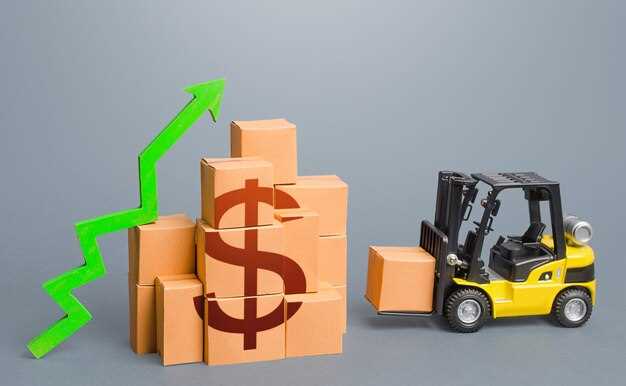
Present a formal negotiation package to providers: base rates, a transparent surcharges schedule, and historical performance data across all sites. Compile volumes, transit times, and delivered on-time rates for the past 12 months to illustrate where space and equipment constraints drive costs. The shipper should help them by outlining the role of reliability and capacity in selecting providers, and present a case for support that reinforces logistics throughout the network. Ask each provider to present their best offer and demonstrate how they would be optimizing costs across operations.
Define a surcharges policy that reduces variability: cap variable charges, de-link some accessorials from base rate, and tie fuel-related charges to a published index with a monthly true-up. Request a unique, bundled offer that covers all sites and modes, and add an addition of performance-based adjustments tied to delivered service levels.
Implement optimizing across logistics operations: consolidate shipments, rotate equipment between sites to reduce empty space, and use a common routing plan. Build a shared dashboard so teams throughout the network monitor lane performance and drive optimization in real time.
Case: In a 12-month case, a shipper with 4 sites and 2,000 shipments per month cut total landed cost by 9% by securing a 5% base-rate reduction and capping surcharges at 4% of linehaul. They consolidated to two providers on core lanes, delivering about $110,000 in annual savings, while delivered on-time performance rose to 98%.
Addition: Maintain gains with quarterly price reviews, monitor historical indices, and train teams to support ongoing optimization. Share results with stakeholders at each site to keep them informed and reinforce the role of procurement in logistics improvements throughout the network.
Consolidate Shipments and Optimize Load Planning
Consolidate shipments from multiple orders into a single load whenever possible. This boosts trailer utilization and lowers total transport costs, especially on high-frequency lanes. Start by building a customer profile and analyzing order patterns to identify consolidation opportunities, then group compatible items by destination, date window, and load dimensions.
Opcje for consolidation range from cross-docking to pre-planned multi-stop routes. Consolidation reduces surcharges and idle time, delivering a significant lower cost per unit. For the customer, total savings grow when combined shipments share common lanes and time windows. Maintain clear profiles for each shipment and track uszkodzenie-free handling to preserve load value.
Load planning becomes precise with a consistent profiling approach: assign positions based on weight, dimensions, and fragility. Prioritize full-truck loads when possible or combine two or more shipments on a single trip. This minimalizacja empty space, lowers handling time, and improves on-time delivery rates by ensuring smoother transitions at each stop.
In addition, build a rapid-response process for emergency shipments: flag them in the system, reserve space, and communicate earliest possible ETA to klienci. A consolidation approach helps absorb emergencies with minimal surcharges and reduces the risk of uszkodzenie due to rushed handling.
With a clear understanding of lanes, you can tailor opcje that are cost-effective for both logistics teams and klienci. Track performance by profile, monitor surcharges, and analyse results to extend consolidation benefits to every shipment. The result is a lower total cost and improved service, which strengthens customer trust and smooths the supply chain.
Improve Route Planning with Real-Time Data
Start by enabling real-time data feeds – live traffic, incidents, weather updates, location tracking, and vehicle status – and configure re-optimization every 8–12 minutes. This simple rule reduces unplanned detours, trims fuel use, and boosts on-time service. In pilot tests, fleets that re-route in response to congestion cut total mileage by 8–14% and raised on-time delivery to 92–96% during peak hours.
Real-time routing involves factors such as location of depots and stops, delivery windows, curbside time, road closures, and current load level. The process collects signals from telematics, GPS, traffic feeds, and weather, then maps them onto the active plan, adjusting routes based on congestion and incidents. Usually ETAs tighten by several minutes and late pickups fall when decisions are based on live status rather than static schedules.
Strategies include focusing on the highest-value service areas, building alternative routes, and prioritizing punctual pickups. The approach means dynamic scheduling that adapts to demand, road conditions, and customer time windows, while preserving buffer time to absorb delays. Start with a single rule, then add rules for additional factors such as driver breaks and vehicle compatibility.
Implement a lightweight workflow: define constraints (time windows, service levels, vehicle capacity), enable alternative routing options, run a test period with real data, and monitor results to adjust. This wont require new hardware if you leverage existing telematics and a cloud routing engine; the change simply means adding live status checks and automatic re-optimizations mapped onto the current route. Focus on making the choice between the original plan and the rerouted plan automatic, based onto real-time signals.
Having real-time visibility lets you share faster ETAs with customers, respond to exceptions, and maintain reliable scheduling. Track service on-time percentage, average detour miles, fuel consumption, and customer satisfaction. Having baseline data helps you compare before and after, start weekly reviews, and then drill into location-based patterns. Depending on time of day, traffic patterns, and seasonal demand, tune re-optimization frequency to balance responsiveness with stability.
Leverage Intermodal and Alternative Modes
Use rail for long-haul, supplement with trucking for last mile. This intermodal mix reduces fuel consumption and hours spent on highways and presents a more predictable cost profile even when surcharges rise. Analyse lane profitability and set a concrete split; for example, move the majority of cargo on rail for long legs and reserve road transport for final-mile delivery. This approach minimizes worry about volatility in transporting costs and keeps space and equipment utilization high. Look at lanes you already ship, like the example above, to start.
Consolidation matters: group shipments to fill each rail car or container, boosting space efficiency and shaving surcharges per unit. Decide whether consolidation runs in-house or via a 3PL partner; in-house control speeds decisions and improves visibility of times and cargo handoffs. This reduces handling touches and the risk of delays that hurt on-time performance.
On various routes, mix rail, short-sea, and barge where feasible. Sometimes the best solution is a rail main leg with ocean or inland-waterway connections for the last mile; this often reduces fuel costs, mitigates surcharges, and lowers transit times. Use the idea from real networks: for example, a 500–800 km corridor can shift 60–70% of volume to rail, while the rest moves by road to cover final-mile needs. This approach helps you transport cargo more reliably across diverse conditions.
Plan with a cost-and-time model: analyse lane performance, require reliable data from carriers, and set in-house KPIs for on-time delivery and equipment utilization. Build the plan with in-house teams whenever possible to shorten feedback loops; if you must partner, choose one that offers transparent reporting and flexible consolidation options. Ideas like standardized data feeds and shared dashboards keep everyone aligned.
Operational readiness matters: ensure intermodal yards have adequate space and equipment; build standard packaging that fits containers and railcars; train staff to handle transfers; schedule buffers that account for interchange hours and typical times. This setup prevents delays from catching you off guard and reduces the load on your teams–even when volumes spike.
Governance and monitoring: track savings from fuel, space, surcharges, and hours; present quarterly results; adjust the mix when demand rises or capacity tightens. Track when demand rises and adjust the intermodal mix accordingly so you always look for the best balance between cost and service for them across various lanes.
Implement a Transportation Management System (TMS) in 6 Phases
Adopt a phased TMS implementation that focuses on carrier negotiation, routing optimization, and data quality to cut freight spend by 10–20% within the first year.
-
Phase 1: Assess data readiness and define goals
- Identify top cost drivers and service gaps using baseline metrics like cost per mile, on-time delivery rate, detention hours, and packaging waste.
- Inventory data sources across multiple systems: orders, shipments, rates, carrier contracts, maintenance logs, and labour records. Usually these reside in different platforms, so consolidate where possible.
- Establish governance to improve data quality and avoid wrong inputs. Assign owners, set refresh cadence, and create a data dictionary to guide decisions.
- Output: dokument wymagań, wskaźniki bazowe i jasny szacunek ROI, które poprowadzą kolejne fazy i źródło.
-
Faza 2: Wybierz możliwości i dopasuj
- Wybierz podstawowe moduły: porównywanie cen, zarządzanie przewoźnikami, śledzenie zdarzeń, analityka i dostęp mobilny. Uwzględnij wydajny silnik routingu, planowanie popytu i interfejs pakowania dla lepszego planowania załadunku.
- Oceń potrzeby integracyjne z systemami ERP, WMS, telematyki oraz portalami dostawców, aby zapewnić płynny przepływ danych i widoczność w czasie rzeczywistym. Rozważ dostawcę, który oferuje prostą integrację API w celu skrócenia czasu realizacji.
- Opracuj kryteria oceny dostawców, przeprowadź próbę na wielu trasach i udokumentuj oczekiwane korzyści dla każdego scenariusza.
- krótką listę dostawców oraz preferowaną architekturę, która obsługuje pełną optymalizację ciężarówek i skalowalny wzrost.
-
Faza 3: Procesy projektowania i integracji
- Zmapuj stan przyszły od przyjmowania zamówień do potwierdzenia dostawy, w tym wdrażanie przewoźników, negocjacje stawek, przydzielanie zleceń i planowanie załadunku.
- Zdefiniuj mapowania danych dla przesyłek, wagi, wymiarów, opakowań oraz wskaźników materiałów niebezpiecznych, aby zapewnić dokładne naliczanie opłat i raportowanie.
- Planuj integracje z ERP, WMS i portalami przewoźników. Określ rutyny konserwacyjne dla jakości danych i kondycji systemu, oraz przydziel obowiązki robocze dla codziennych zadań.
- zaprojektowane procedury operacyjne i plan integracji technicznej, które minimalizują prace poprawek.
-
Faza 4: Skonfiguruj i przetestuj system TMS
- Skonfiguruj reguły routingu, poziomy usług, priorytetyzację pasów oraz tabele stawek. Włącz automatyczne składanie ofert i powiadomienia o wyjątkach do obsługi.
- Przeprowadź kontrolowane testy pilotażowe na wielu pasach, monitorując terminowość, redukcję przymusowego oczekiwania i dokładność opłat opartych na stawce.
- Zweryfikuj, czy optymalizacja przekłada się na realne zyski w zakresie wykorzystania pełnych ciężarówek i lepszą widoczność statusu każdego wysyłki. Rozwiąż wszelkie luki w jakości danych, które pojawią się podczas pilotażu.
- Walidacja konfiguracji, raport pilotażowy i gotowość do szerszego wdrożenia.
-
Faza 5: Wdrożenie i skalowanie
- Stopniowo wdrażaj rozwiązanie w oparciu o region lub zakład, aby zminimalizować zakłócenia. Zapewnij ukierunkowane szkolenia dla planistów, personelu operacyjnego oraz kierowców, aby zagwarantować efektywne wdrożenie.
- Ujednolicenie najlepszych praktyk i zarządzania. Opracowanie planu utrzymania dla aktualizacji, kontroli jakości danych i ciągłego dopasowywania nakładów pracy do systemu.
- Śledź wskaźniki takie jak koszt za milę, wskaźnik punktualności oraz optymalizacja pakowania, aby potwierdzić wieloaspektowe korzyści na wielu trasach i w różnych scenariuszach.
- użycie we wszystkich obszarach organizacji, udokumentowane standardowe zasady oraz jasna ścieżka do ciągłych ulepszeń.
-
Faza 6: Optymalizacja i utrzymywanie ciągłego doskonalenia
- Przeglądaj wyniki działania tygodniowo i dostosowuj reguły optymalizacji, konfiguracje pasów oraz umowy z przewoźnikami, aby utrzymać wzrost zysków.
- Wykorzystaj analizy warunków hipotetycznych do oceny alternatywnych tras, kombinacji środków transportu oraz zmian w pakowaniu, które zmniejszą ilość odpadów i poprawią jakość świadczonych usług.
- Włączaj opinie przewoźników i nadawców, aby udoskonalać procesy i zapobiegać powtarzającym się problemom. Czasami niewielkie zmiany dają zauważalne rezultaty w wielu obszarach KPI.
- Żywa mapa drogowa z kwartalnymi celami poprawy oraz udokumentowaną historią decyzji i rezultatów.