Pobierz aplikację


Transport & Logistics Writer
Alexander Petrunin covers freight and logistics markets across Europe, the United States and the CIS — from country guides for Portugal, Spain and France to cross-border trucking and carrier licensing. His articles focus on practical guidance for shippers and carriers: routes, pricing factors and regulation.

Logistics Planning: Definition, Types, Importance, and Strategies
In today’s business world, logistics planning is crucial for success. This process involves organizing resources to move goods efficiently. Understanding coordination is essential for both established companies and new ventures, especially in ecommerce. What is Logistics Planning? Logistics planning refers to creating a strategy for moving and storing goods. It includes transportation and inventory management. A good logistics plan helps businesses meet customer demands while minimizing costs. It ensures products are delivered on time and in good condition. Types of Planning Several types of: Strategic Coordination : This long-term approach aligns logistics with business goals. It involves

Why Logistics is Essential for Startups
In the fast-paced world of startups, logistics often takes a backseat. However, understanding its critical role can make a significant difference. Let’s explore why logistics is a strategic asset for new businesses. 1. Streamlining Operations Logistics is about moving goods efficiently. For startups, this means faster delivery times and happier customers. If logistics are messy, customer excitement can turn to frustration. Investing in logistics ensures that customer expectations are met. 2. Cost Management Every penny counts for startups. Efficient logistics can greatly reduce transportation and storage costs. For example, optimizing shipping routes can minimize waste. This not only saves
Warehousing: Key Functions and Benefits
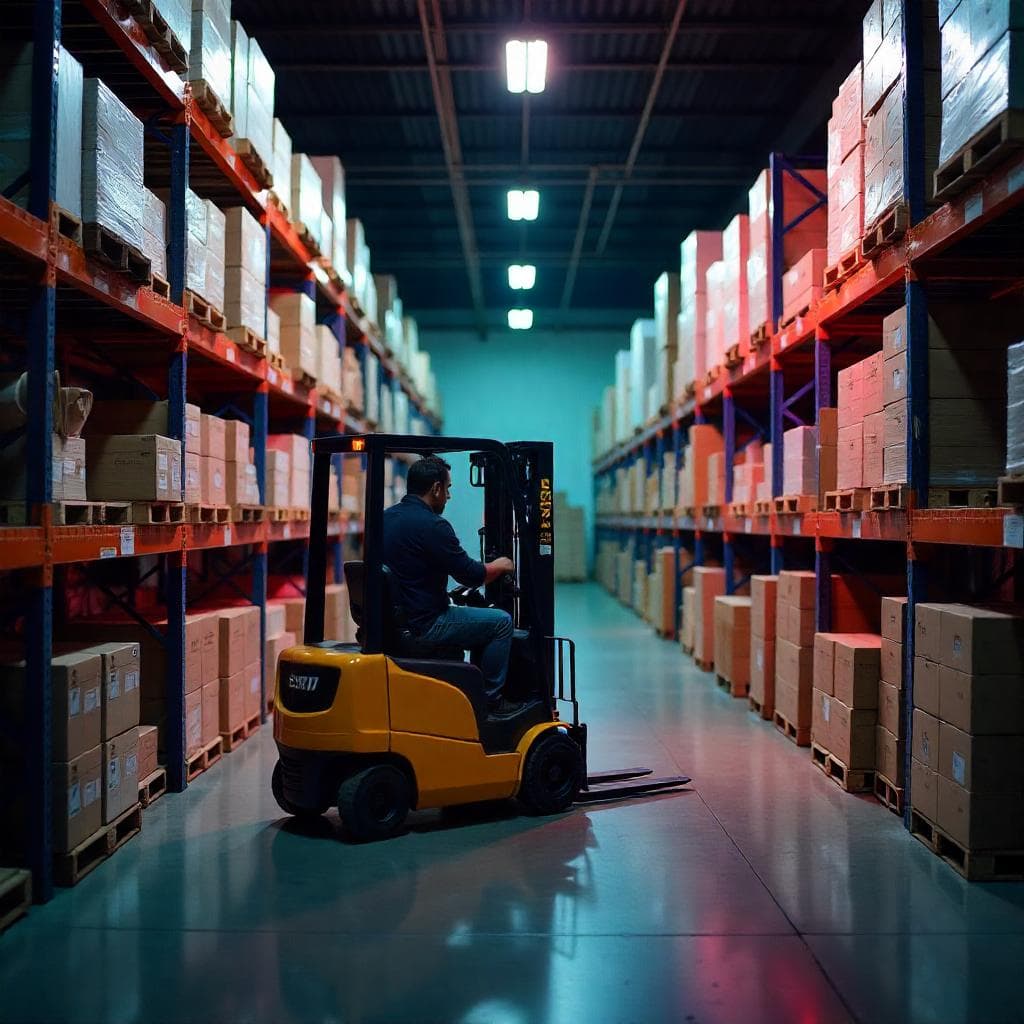
Warehousing plays a vital role in the supply chain. It serves as a crucial link between production and distribution. This process involves storing goods until they are needed for order fulfillment. Efficient warehousing is essential for businesses, especially in e-commerce, where timely delivery is crucial. Let’s explore the key functions and benefits of modern warehousing. The Role of Warehousing in Supply Chain Management Warehousing is not just about storing goods; it includes activities that enhance supply chain efficiency. A well-structured warehouse management system is vital for tracking inventory levels and managing orders. By implementing a robust warehouse management system,

International Moving Company for Your Next Move
Understanding International Moving Services When relocating across borders, choosing the right international moving company is crucial. The international moving process can be daunting, filled with challenges and logistics. You want to ensure that your household goods and personal items are in safe hands. A reputable international moving company can help with this. Importance of Experience in International Movers Experience is a key factor when considering international movers. Years in the industry can make a significant difference. An experienced company understands the destination country’s regulations. They can navigate customs complexities and help you avoid potential pitfalls.
Fourth-Party Logistics Provider (4PL) and Its Role in Logistics
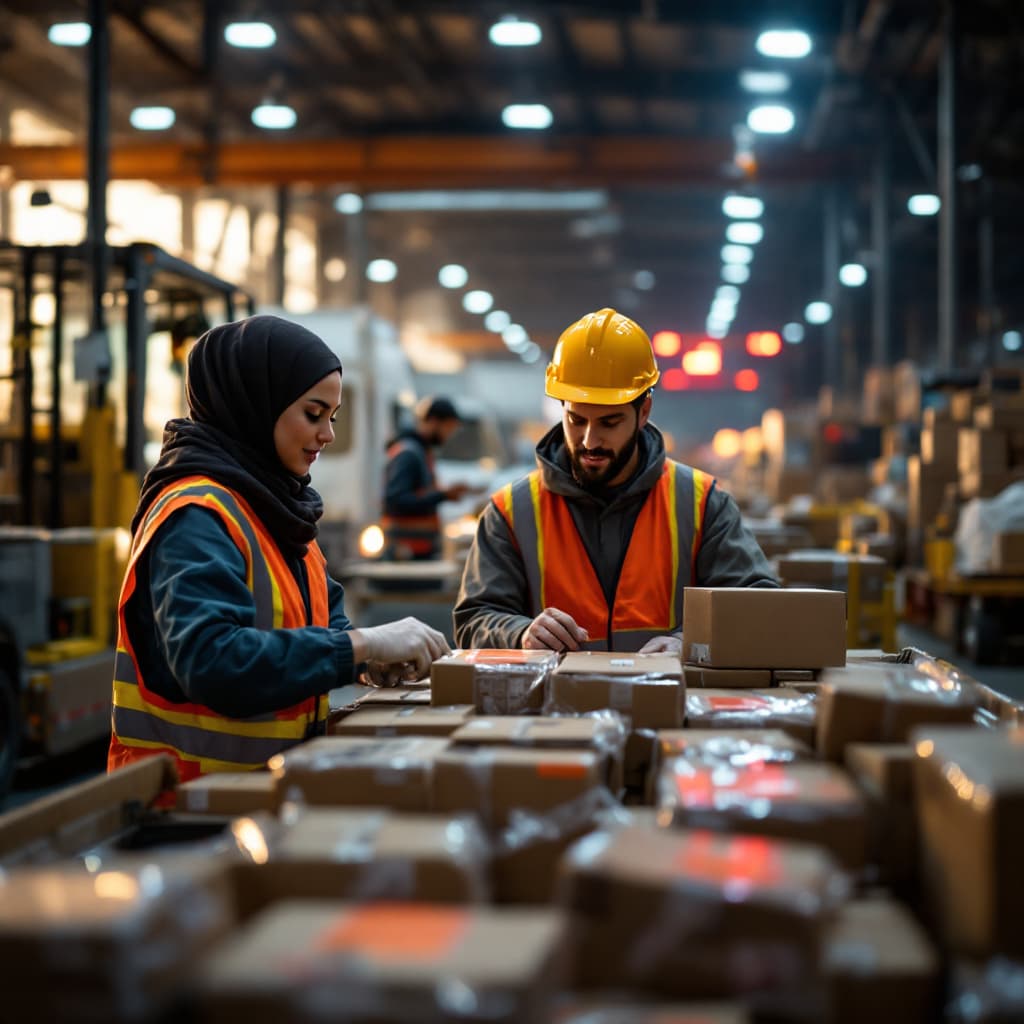
In today’s complex logistics landscape, a fourth-party logistics provider (4PL) is becoming increasingly important. Businesses often face challenges in managing their supply chains. A 4PL acts as a strategic partner, helping companies streamline their logistics operations. This article will explain what a 4PL is, how it works, and the benefits it offers. What is a Fourth-Party Logistics Provider (4PL)? A fourth-party logistics provider (4PL) manages the entire supply chain for its clients. Unlike third-party logistics providers (3PL) , which focus on specific logistics functions, a 4PL takes a broader approach. It coordinates various logistics providers and oversees the entire supply chain

Third-Party Logistics Provider (3PL) and Its Role in Logistics?
In today's fast-paced world, a third-party logistics provider (3PL) is essential for businesses. These providers help companies manage their supply chains efficiently. If you’ve ever wondered how large companies do this, understanding 3PL is crucial. This article will explore what a 3PL is, how it operates, and the benefits it offers. What is a Third-Party Logistics Provider (3PL)? A third-party logistics provider (3PL) offers logistics services to other businesses. These services include warehouse management, transportation, and order fulfillment. A 3PL does not own the goods it handles. Instead, it organizes and executes logistics processes. This allows companies to focus on their core
Supply Chain & Logistics Terms Glossary
3PL (Third-Party Logistics) : A service provided by companies that manage and execute logistics operations for other businesses, including transportation, warehousing, and distribution, often integrating these services to streamline the supply chain. 4PL (Fourth-Party Logistics): A 4PL provider offers a higher level of supply chain management by acting as a single interface between the client and multiple logistics service providers. Unlike 3PLs, 4PLs manage the entire logistics process, often without owning any assets. Accessorial Charges: Additional fees charged by carriers for services beyond the standard pickup and delivery, such as liftgate service, inside delivery, or storage.

What is Drayage?
Drayage is a key part of the logistics and transportation industry. It refers to the short-distance transport of goods. This usually involves moving containers from ports to nearby warehouses or distribution centers. This process is essential for the efficient flow of freight in supply chains, especially in intermodal transportation. Let’s explore what this service entails, its importance, and how it operates. Understanding Drayage Drayage involves moving freight over short distances. This transport can occur between various facilities, including ocean ports, rail terminals, and warehouses. It often represents the first or last leg of a shipment. The term "dray" refers to a type of truck

The Impact of Logistics on Product Cost
Logistics is not just about the delivery of goods; it is a comprehensive system that affects the cost of products at every stage of their lifecycle. Let’s explore how various aspects of logistics can reduce costs and enhance efficiency. This contributes to economic growth. Increased Speed and Efficiency of Transportation Logistics significantly enhances the speed and efficiency of transporting goods. Modern technologies, such as automation and drones, allow for faster deliveries. This brings several advantages: Reducing delivery times accelerates production processes. It also lowers storage costs. Increased transportation speed decreases overall expenses. Goods are delivered more quickly,
Logistics and Inventory Management
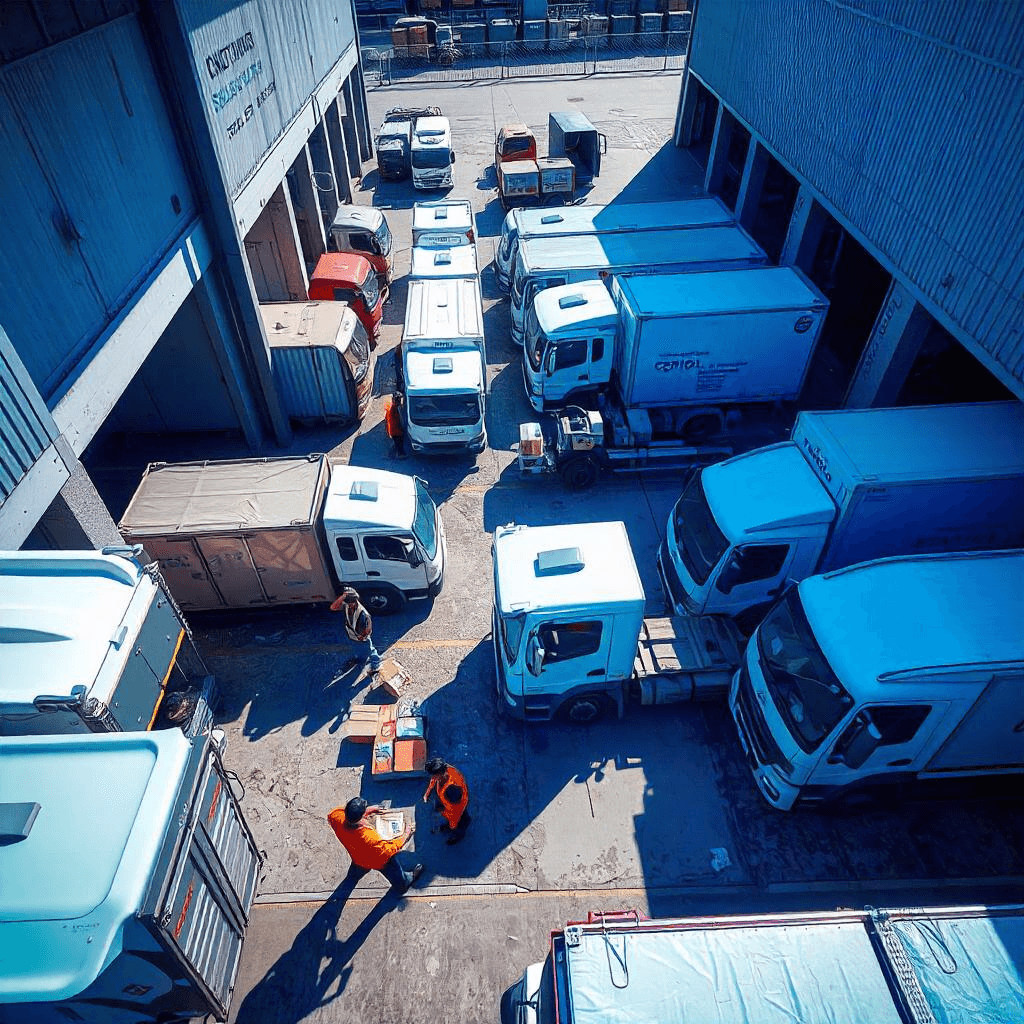
Logistics and inventory management are essential components that help companies effectively manage resources and meet customer needs. These two business aspects work together to ensure smooth operations. Let’s explore how they interact and why they are crucial. Understanding Logistics Logistics involves all processes related to moving goods from the manufacturer to the consumer. This includes transportation, storage, order processing, and information exchange. Efficient logistics help reduce costs and delivery times, enhancing customer satisfaction. Key Aspects of Inventory Control Managing stock effectively involves planning, controlling, and accounting for all items held in warehouses.
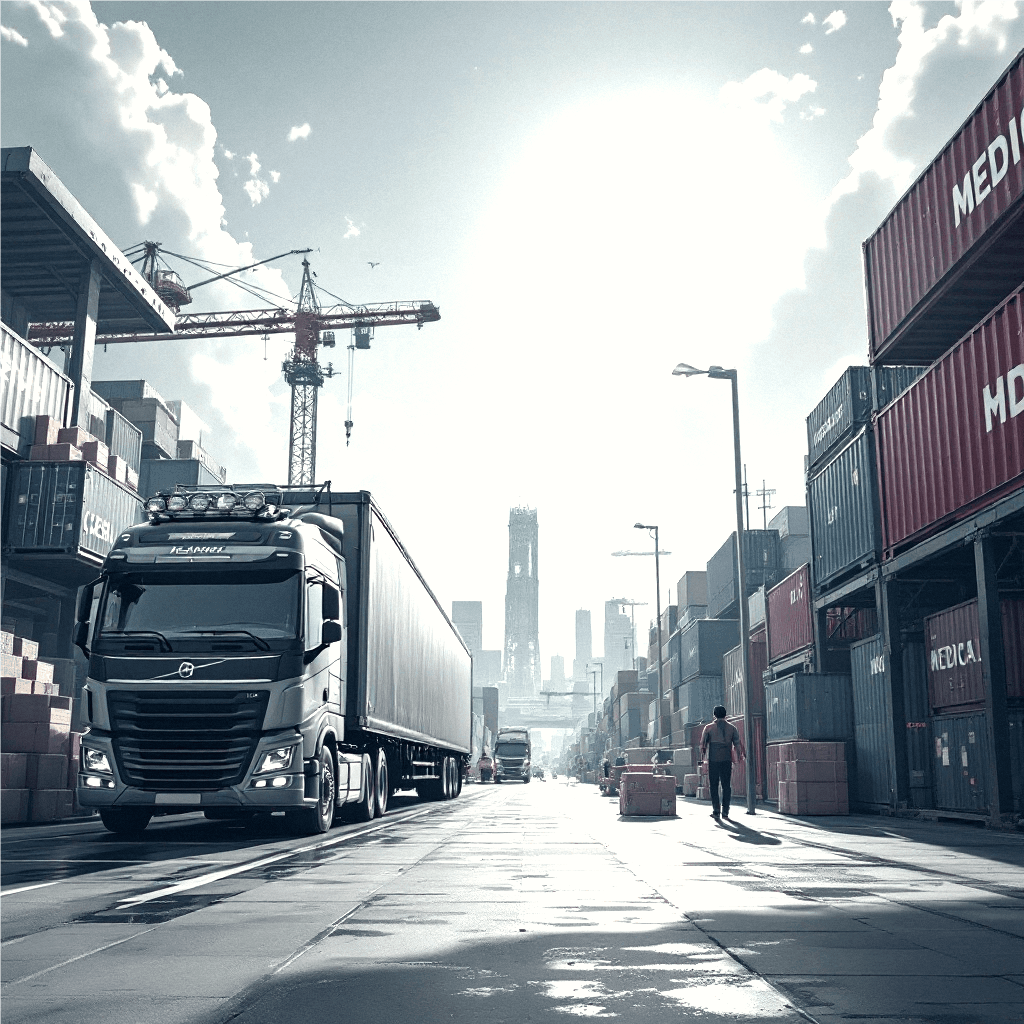
Delivery of Consolidated Cargo in Russia
The delivery of consolidated cargo in Russia is a key aspect of logistics that allows companies to optimize their costs and improve customer service. Consolidated cargo, which consists of a combination of goods from various clients, enables significant reductions in transportation costs and accelerates the delivery process. Advantages of Consolidated Cargo Delivery One of the main advantages of consolidated cargo delivery is cost savings. By combining shipments from different clients, companies can reduce transportation expenses, which in turn allows them to offer more competitive prices for their services. This is particularly relevant for small and medium-sized enterprises looking to

Air Freight in Russia: Fast, Reliable, Efficient
Air freight in Russia is not just a means of delivery; it is a whole ecosystem that ensures the quick and reliable transportation of goods both within the country and beyond its borders. In a world where time is money, air freight becomes the optimal solution for businesses looking to stay competitive in the market. Speed as a Key Advantage One of the main advantages of air freight is speed. Goods transported by air can reach any point in the world in just a few days. This is especially important for companies dealing with perishable goods, such as food products or medical supplies. In such cases, the quicker the cargo arrives at its destination, the lower the risk of losses and damages.
