


 Polski
  English (UK)
  Русский
  العربية
  日本語
日本語  한국어
한국어  Magyar
  Türkçe
  Español
  Čeština
  Svenska
  Português
  Ελληνικά
  Suomi
Suomi  Nederlands
  Română
  Italiano
  Français
  Українська
  Deutsch
  简体中文
简体中文  Slovenčina

Recommended action: Enforce extended producer responsibility to compel branded container makers to cover end-of-life handling. This shift lowers municipal burden and is driven by policy changes, aligning incentives with a circular economy. The article notes that sources of leakage emerge from household, retail, and informal channels, and that responsibility falls on brand owners and companys to act, reinforcing accountability.
This framework addresses critical bottlenecks by standardizing labels, streamlining material streams, and investing in recovery infrastructure. The important goal is to enable disassembly and sorting at scale, reducing the burden on municipal systems and curbside programs. The article shows that when sources are visible, cities can curb stray fragments and recover more value from end-of-life streams.
New recovery routes include mechanical separation, chemical recycling, enzymatic depolymerization, and gasification for mixed fractions. Enzymatic approaches can target specific polymers to recover high-purity monomers, boosting branded outputs and strengthening the circular economy. Policy-makers should back pilots, while industry participants craft contracts that tie accountability to performance and long-term stewardship.
brazil offers concrete signals: in year 2023, city–industry collaborations raised collection rates, expanded reverse channels, and supported local reprocessing hubs. A linked study highlights how deposits, branding, and data reporting drive responsible behavior in the supply chain, addressing gaps from production to post-use handling. These measures contributed to a measurable drop in stray fragments and a smaller burden on municipal services.
To tackle the efficiency gap, corporate governance must integrate material stewardship into annual plans, publish transparent metrics, and welcome independent audits. The economy benefits when sources of return are tracked from design to end-use, ensuring accountability and long-term resilience for communities and ecosystems.
From packaging waste to plastic pollution: practical routes and hopeful trends
Mandate a five-year shift to recyclable wrappers and container materials, funded by producers, with clear accountability dashboards and public reporting, and only with independent audits. This curb reduces leakage by design and builds a common system that publics can monitor, delivering benefits across generations.
Global flows of polymer-based wrappers and containers total hundreds of millions of tonnes annually. In regions with separate collection and producer responsibility, collection shares commonly rise to 50–60%, and recycling rates for recoverable streams significantly improve. These shifts curb biodiversity stress and reduce environmental contamination in soils and waterways, which were underestimated.
greenpeace supports circular design in electronics and their outer wrappers; publics are urged to participate in local collection points, expanding totals and reducing burdens on ecosystems. This approach commonly shows gains when aligned with strong accountability and transparent reporting.
This is a critical step: invest in technologies that sort, separate, and recycle polymer flows; build a robust eros pathway that links producers, publics, and recyclers in a system oriented toward biodiversity protection and material efficiency.
To scale, use a total benchmarking framework with clear metrics for collection, sorting purity, and material recovery; publics can measure progress and see how total lifecycle footprints shrink. Generations that follow will feel tangible improvements in local air and soil quality as authorities demand better collection and design with accountability.
Policy and corporate actions should prioritize recyclability, limit single-use items, and support joint research on alternatives. That includes cross-sector collaboration with electronics makers, retailers, and municipalities to expand green jobs, support biodiversity preservation, and deliver tangible reductions in contamination risk – thats why policy must align incentives and ensure transparent reporting, and the approach has spillover benefits for communities.
Overall, the path is practical and scalable: it uses green technologies, expands recyclable material streams, and creates accountability mechanisms that come from collaborations among publics, industry, and watchdogs like greenpeace. That cohesion comes from shared values and a focus on biodiversity and long-term resilience for generations to come.
Major packaging materials driving waste and litter
Adopt reusable beverage and foodware nationwide within five years, backed by deposits and take-back programs, plus clear accountability for producers and retailers.
The main culprits driving litter are PET bottles, high-density polyethylene jugs, and laminated sachets, with film wraps and paperboard boxes close behind. analysis across japan, europe, and north america shows PET bottles account for roughly 15-30% of observed household throws in weekly cleanups, with HDPE jugs and film wraps contributing sizable shares as well.
What drives these patterns is consumer demand for convenience and rising consumption, the surge in e-commerce during the pandemic, and the pull of single-use formats. Degradation of end-of-life matter occurs as those items break down into tiny fragments that persist in the environment and enter ecosystems. science confirms that long-lived materials degrade slowly, releasing fibers and micro fragments that accumulate in soils and waterways.
Recycling performance and circularity: analysis shows only a minority of collected film and multi-layer wraps are redirected to productive streams; the remainder is either downcycled or discarded. Recycled content in these streams remains low in many markets, underscoring the need for regulatory standards, better labeling, and extended producer responsibility programs. What matters is reduction in virgin generation and expanded access to high-efficiency sorting and chemical recycling technologies.
Leadership and governance: ministers and regulatory bodies must set ambitious, measurable goals; japan demonstrates that policy clarity plus invested funding accelerates innovations. Regulators and industry leaders have deployed digital tracking and sorting capacity toward every region, and weekly reporting helps feel accountability and transparency across supply chains. The goal last year was to broaden targets toward a 2030 trajectory, with explicit plans for each product family.
How packaging waste travels from homes to waterways
Implement strict household source separation with labeled bins and a guaranteed weekly pickup to curbside streams, reducing the share of discarded packaging that escapes collection. This action will produce measurable reductions in material entering the storm network and downstream channels.
In urban area around grocery districts, misrouted items can enter street runoff and drainage, then reach rivers via outfalls. The path begins when discarded packaging is dropped or left unsecured, then loaded into trucks, spilled during transit, or mis-segregated at sorting facilities. Once drainage systems carry runoff, contaminated micro-pieces and fragments travel along to the nearest water body, contributing to contamination of corridors and reducing biodiversity in adjacent streams.
Key factors contributing to the conveyance include insufficient lid coverage, lack of containment during storms, and limited consumer awareness about recycling guidelines. Further studys indicate a projected pattern where around 40% of non-recycled polymer-based packaging in urban areas is taken by wind and rain into storm drains in certain climates; improvements in area sorting accuracy and interception devices could reduce this leakage. The action would yield future benefits such as cleaner rivers, healthier biodiversity, and more accurate tracking of material flows in weekly monitoring programs.
Opportunities exist to rechannel collected streams toward wise end-of-life options. Pyrolysis and other energy-recovery pathways are options for non-recyclable streams, converting material into energy while reducing landfill leakage. These initiatives could be part of a future mix, while ensuring chemical emissions are controlled and biodiversity is protected. Virgin polymer feedstocks could fuel pyrolysis plants in a controlled manner; this area requires accuracy in feedstock sorting and robust environmental assessment. Industry players like philip and altria are taking action, which supports packaging stewardship and funds community pilots at grocery perimeters, aligning with circular economy goals.
Action plan for municipalities and retailers includes: map drainage outfalls in the area; install litter interception devices near critical stormwater points; conduct bin audits; run weekly outreach campaigns; publish progress reports; invest in end-of-life processing infrastructure; implement take-back programs at grocery stores. These steps support consistent progress, reduce stray items in the environment, and protect biodiversity for future generations. Making sure funding is steady and cross-sector collaboration continues will accelerate real gains.
| Stage | Pathway | Estimated share (%) | Wpływ |
|---|---|---|---|
| Household disposal | Storm drains/outfalls | 28 | Contamination risk to nearby watercourses |
| Transport spill | Road runoff | 18 | Leakage into drainage network |
| Sorting facility leakage | Contaminated recycling stream | 25 | Reduces recovery opportunities |
| Landfill leakage | Leachates to groundwater/surface water | 12 | Groundwater/surface water contamination |
| Other pathways | Unsecured litter reaches water | 17 | Local biodiversity impact |
Impacts on wildlife and ecosystems from discarded packaging
Recommendation: The government must implement extended producer responsibility to finance cleanup of discarded wrappers and curb access to wildlife habitats, starting with canadas coastal zones and major river mouths.
Discarded polymer fragments degrade habitats and enter the ocean, altering food webs and causing injuries to wildlife. In canadas coastal zones, cleanup surveys show elevated strandings at nesting sites, with a notable share linked to tossed wrappers and tobacco-related litter. young seabirds and hatchlings are particularly vulnerable, ingesting bead-like shards mistaken for prey, driving down foraging efficiency and increasing mortality risk.
Projected declines in wildlife populations are reflected in several models, indicating cumulative effects of thrown wrappers along coastlines and delta regions. The footprint on ecosystems extends around urban areas, where consumer demand shapes how goods are produced and discarded, including data from regional surveys. Up to 40% of beach debris comprises wrappers and lids from everyday goods, illustrating the scale of the challenge. This shift is making progress possible only with robust data and ongoing canadas-focused research.
Progress depends on scalable strategies, including redesigns to reduce leakage, control of traded goods, and circuits that support refill options. Pyrolysis of collected polymer-based litter offers a path to energy or carbon-rich by-products, but must include stringent emission controls and lifecycle accounting. Collective action by government, researchers, and citizen groups can drive measurable progress, with models that track degradation and ecosystem recovery over time.
The role of stakeholders is to finance, regulate, and participate in cleanup programs, ensuring that thrown litter is captured before it reaches sensitive habitats. Members of communities around canadas and beyond are creating awareness about downstream effects on wildlife. A consumer survey shows rising interest in refill approaches, especially among young shoppers, and stores increasingly steer toward goods that minimize discarded wrappers. At the point of disposal, the shift toward refill and reusable options reduces the impact of traded goods on coastal and inland ecosystems.
Policy reforms and product redesigns showing promise
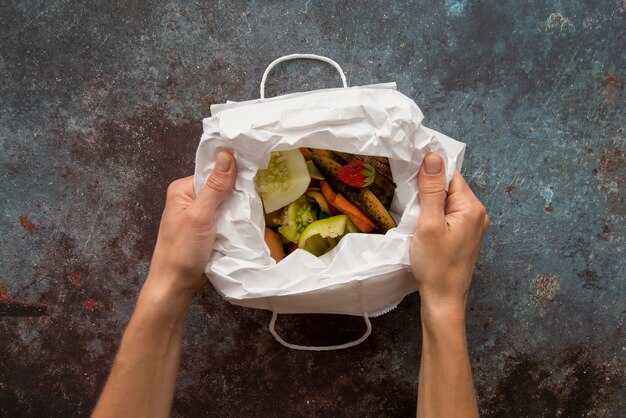
Implement mandatory EPR z wiążącymi celami zwrotu i recyklingu oraz kwotami ponownego użycia dla opakowań i pojemników pierwotnych, finansowanymi z centralnej opłaty nałożonej na producentów; ustanowić harmonogram przejścia w przypadku posiłków na wynos w kierunku projektów nastawionych na ponowne użycie i zagwarantować dedykowane finansowanie infrastruktury sortowania i odbioru. Kolektywne, zaangażowane podejście zapewnia wartość wykraczającą poza samą zgodność.
Niemcy demonstrują realny model: systemy kaucyjne odzyskują w przybliżeniu 90–98% systemów zwrotu kaucji za pojemniki na napoje, cięcia ilości odpadów i ograniczenia zapotrzebowania na surowce pierwotne. Rządy, które wdrażają te programy na dużą skalę wraz z inwestycjami prywatnymi, zgłaszają przyspieszony wzrost sieci odbioru i wyższy poziom uczestnictwa konsumentów. Powyżej określonych progów, takie podejście przynosi prognozowane korzyści w postaci ponownego wykorzystania materiałów, skutecznej redukcji śladu węglowego i niższych kosztów zewnętrznych.
Przeprojektowanie z myślą o ponownym użyciu obejmuje standardowe formaty pojemników, trwałe opakowania i modułowe komponenty z wymiennymi pokrywkami, umożliwiając ponowne użycie różnych marek. Do lat 2026–2028 przewidywane przyjęcie w sektorach na wynos może osiągnąć 40–60% oraz obejmuje łatwiejsze czyszczenie i etykietowanie w celu wsparcia ponownego wykorzystania.
Aby przyspieszyć ten proces, należy stworzyć zbiorowe platformy łączące łańcuchy dostaw w celu optymalizacji demontażu i odzyskiwania zasobów. Poniższe kody i etykiety zapewniają kompatybilność, a partnerstwa dostawców z producentami i przedsiębiorstwami hotelarskimi ograniczają ilość odpadów, jednocześnie ułatwiając zwroty. Doświadczenia Niemiec stanowią wzór, który można powielać na całym świecie, przy czym rządy wspierają otoczenie regulacyjne, a przemysł raportuje o każdym ogniwie w pętli.
Rządy powinny dostosować system zachęt do harmonogramów branżowych, znosząc wyjątki dla opakowań jednorazowych i zwiększając finansowanie miejskich i prywatnych sieci zwrotu. Framework wzorowany na niemieckim modelu, dostosowany do innych rynków, obejmuje audyty wydajności i niezależną weryfikację; firmy i dostawcy będą musieli zobowiązać się do osiągania wymiernych celów i przejrzystego raportowania, w tym udziału treści wielokrotnego użytku i redukcji śladu węglowego.
Ekonomicznie, systemy stawiające na pierwszym miejscu ponowne użycie redukują koszty w dłuższej perspektywie, ponieważ zainwestowany kapitał odblokowuje wartość poprzez ponowne użycie materiałów i mniejsze zapotrzebowanie na zaopatrzenie. Branża może udostępniać opcje na wynos z większą niezawodnością, a konsumenci czują się pewnie, gdy uczestnictwo jest proste i przejrzyste. Prognozowane oszczędności dla operatorów wahają się 2–8% rocznie po amortyzacji, z wyższymi zyskami w gęsto zaludnionych dzielnicach; jednakże sukces zależy od sprawnej zbiórki, dokładnego sortowania oraz dostosowania zaangażowania każdej firmy do lokalnych uwarunkowań i wymogów sprawozdawczych.
Praktyczne kroki, które osoby prywatne i firmy mogą podjąć już dziś, aby ograniczyć ilość odpadów opakowaniowych
Przeprowadzić audyt strumieni odrzucanych materiałów i w ciągu 60 dni zastąpić co najmniej 50% najczęściej używanych jednorazowych przedmiotów trwałymi alternatywami. Wyznaczyć osobę odpowiedzialną za nadzorowanie postępów, opublikować jasny ślad węglowy i wprowadzić obieg zamknięty z dostawcami i opinią publiczną. Takie podejście może znacząco zmniejszyć obciążenie, zapobiegając trafieniu do składowisk 1 miliona opakowań i tysięcy ton innych odpadów.
- Noś ze sobą zestaw wielokrotnego użytku: torbę materiałową, szklane słoiki, metalowe sztućce i butelkę, aby wyeliminować jednorazowe opakowania podczas zakupów spożywczych.
- Wybieraj produkty luzem lub na wagę; przynieś własne pojemniki do sklepu; unikaj zewnętrznych opakowań, gdy jest to możliwe, i preferuj produkty z minimalną liczbą warstw zewnętrznych.
- Korzystaj z odpowiednich pojemników i wspieraj recykling; zapoznaj się z lokalnymi wytycznymi, aby ograniczyć nieprawidłową segregację odpadów; angażuj się w zbiórki komunalne w Portsmouth i Glasgow, aby promować najlepsze praktyki.
- Wspieraj sieci spożywcze i restauracje, które oferują opcje ponownego napełniania i trwałe alternatywy; dąż do obiegu zamkniętego programów i ustanów systemy zwrotne poprzez zbiorową sieć; włącz sektor restauracyjny jako kluczowy poligon doświadczalny.
- Zorganizuj oddolną inicjatywę społeczną w celu zwiększenia świadomości na temat strumieni kontenerowych; śledź postępy za pomocą prostych metryk; przytocz studia przypadków z Austrii i innych miast; dodaj aktualizację w stylu vitae dla uczestników, aby zaprezentować umiejętności przywódcze i jasność roli.
- Przeprowadź audyt wewnętrzny przepływów materiałów opakowaniowych; zidentyfikuj 5 najważniejszych kategorii, ustal cel redukcyjny (na przykład 50% w ciągu 90 dni) i wyznacz osobę kontaktową w kierownictwie, która będzie kierować programem.
- Zaangażuj dostawców za pomocą zachęt: wymagaj redukcji warstw zewnętrznych, opakowań zwrotnych i opcji odbioru; ustanów wspólne standardy w całym łańcuchu dostaw, aby ograniczyć niewłaściwe zarządzanie materiałami i poprawić wyniki recyklingu; monitoruj postęp w tonach zaoszczędzonych materiałów.
- Zainstaluj pojemniki na miejscu lub w sklepie do zwrotów i ustanów jasne ścieżki odbioru produktów od konsumentów; zapewnij prosty punkt kontaktowy, aby pomóc w zwrotach i zachęcić do udziału.
- Publikuj postępy dla opinii publicznej i interesariuszy; dołącz do istniejącego lub stwórz własny kolektyw z innymi firmami, aby dzielić się najlepszymi praktykami i współfinansować programy pilotażowe; przywództwo ma kluczowe znaczenie dla utrzymania tempa.
- Pilotażowe programy na dużą skalę i dokumentowanie wyników, aby wpływać na politykę; czerpanie z doświadczeń Portsmouth, Glasgow i Austrii, aby wykazać wpływ i uzasadnić szersze wdrożenie.