



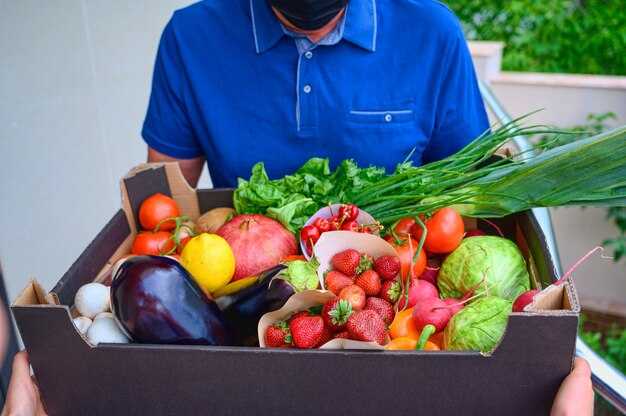
Forecasting demand with data-driven analytics is the first step to reducing food waste. By aligning production and replenishment with actual consumption, you curb overstock and prevent spoilage. In kitchens, stores, and factories, this approach lowers the amount of product that becomes waste and turns environmental issues into practical gains. When forecasts inform operations, teams can schedule processing, packaging, and transport to minimize energy use and protect valuable resource. Consumers influence waste through purchase choices; predicting their needs helps reduce landfills and the emissions tied to disposal.
Strengthen the logistics backbone with precise forecasting of shelf life and spoilage risk. Implement temperature-controlled routes, batch-level traceability, and dynamic inventory checks to keep perishable goods within freshness windows. Use automated alerts to reallocate near-expiry items to promotions or donations, which reduces waste and preserves value. An efficient route network can cut cold-chain losses by up to 20-30% and lower energy use in manufacturing by optimizing processing times.
In retail, data-driven pricing and assortment decisions steer consumers toward items with shorter remaining shelf life before they head to landfills. Establish time-limited promotions, clear labeling, and easy reuses of near-expiry products. This approach improves environmental impact while maintaining margins. For example, dynamic markdowns on day-0 to day-3 perishable items can reduce waste by 15-25% in mid-sized stores when combined with forecasting and real-time stock checks.
In manufacturing and processing plants, reorganize production lines to avoid batch splitting that creates scraps. Use reusing packaging materials and returnable totes, and adopt precise demand planning to minimize overproduction. Lean methods, such as pull systems and zero-defect checks, cut waste and lower emissions. When plants share reliable data on yield, rejected portions can be repurposed into animal feed or compost where regulations permit, turning a loss into a resource and reducing the issue of landfills.
Across all domains, tracking data and applying data-driven forecasting helps you quantify impact and learn which actions influence waste the most. Keep a dashboard with metrics on rejection rate, on-time stock, and curbside waste; link these to resource usage, landfills, and environmental outcomes. Regularly audit supply chains to identify bottlenecks, forecast inaccuracies, and opportunities to reuse surplus through donation programs or upcycling partnerships.
Five practical strategies to tackle waste across the supply chain
Audit waste streams now and set a 20% reduction target within 12 months to create a clear commitment that drives action. Map common waste items across procurement, production, and distribution, and deploying a digital waste dashboard to monitor volumes in real time, ensured by standardized data collection. Assign a cross-functional owner to bolster operational accountability and build habits of quarterly reviews that keep momentum. They can track what matters most to nutrition goals and to overall sustainable outcomes.
Strategy 2: Redesign packaging and labeling to minimising waste and protecting nutrition. Introduce modular packaging that reduces air and moisture ingress, cutting spoilage and shrink. Establish labeling that clarifies best storage, portion sizes, and use-by dates, so consumers avoid discarding edible portions. They should prefer recyclable materials to keep landfill diversion high and prevent landfills from filling faster.
Strategy 3: Deploy predictive analytics and real-time visibility to optimize inventory and reduce waste. Target forecast accuracy within ±5% and automate replenishment to minimising overproduction and to boost service levels. Link ERP with warehouse and transport planning to cut operational slack, and decrease overage and obsolescence by 20%. This offers measurable ROI by preventing excess stock and waste.
Strategy 4: Build a closed-loop with suppliers to share by-products and surplus with partners or alternative markets. Create contracts that specify recycled streams, co-processing opportunities, and fair pricing so by-products contribute to a sustainable model. This decreases landfill use across the entire supply chain and improves resource efficiency. Also, align on quality standards to prevent contamination.
Strategy 5: Create a continuous improvement loop with standardized SOPs, staff training, and consumer education to extend product life and shift habits. Establish monthly waste reviews, publish progress against targets, and celebrate teams that contribute tangible decreases. Like they say, small changes add up when leadership shows visible commitment across the entire network, turning habits into common practice.
Demand Forecasting and Inventory Buffering to Reduce Spoilage
Forecast using a model that combines generated data from POS, ERP, online orders, promotions, and external indicators such as weather to create a precise demand signal. Align the forecast with production planning so the needed quantities arrive on time, thereby reducing overstock and spoilage.
Buffering: implement safety stock by item and stage of the supply chain, calibrated to shelf-life and lead time variability. For fresh produce and dairy, keep a compact buffer at receiving and processing, and a larger buffer at distribution to smooth time-to-use and minimize spoilage during transit.
Operational actions: connect demand forecasts to processing schedules and packaging decisions; use replenishment rules that limit down orders once shelf-life shortens; leverage packaging innovations such as tetra packs to extend usable life where feasible.
By-products and reuse: explore how by-products from processing can be redirected into value streams, reducing losses and environmental impact. Track environmental savings, lower disposal costs, and potential revenue from reuse.
Management habits: establish regular reviews of forecast accuracy and spoilage metrics; empower team members to adjust buffers quickly; implement continuous improvement and innovation in inventory management and packaging to sustain reduction in spoilage and total losses, thereby improving the company's margin.
Cold-Chain Monitoring and Temperature Integrity Across Networks
Deploy end-to-end temperature monitoring across every node of the distribution network, using calibrated IoT loggers on shipments and shelf probes at stores. Attach sensors to tetra cartons and pallets, link to a cloud dashboard, and trigger automated alerts when readings exceed the defined range. example: a 2°C deviation for more than 15 minutes prompts a rapid containment protocol, preventing a large fraction of waste. monitoring on every leg reduces blind spots and increases product protection.
Set a structured rollout that is driven by the largest nodes first: supplier sites, primary distribution centers, and top-volume routes. Map the network, assign a part of the share to each segment, and configure a single data model across the company. Use rugged equipment with spare batteries and offline caching so insights remain when network gaps appear. A three-stage pilot on three distribution routes can deliver reliable insights and accelerate the advance to full coverage.
Establish thresholds and alert logic for beverage and other temperature-sensitive goods: 0-4°C for dairy, 2-8°C for most beverages, and -20°C for frozen items in the cold chain. Use time-since-excursion metrics to differentiate brief spikes from long red flags; target minimising excursion duration to under 30 minutes in most cases. Ensure time synchronization across devices so readings reflect true events, not clock drift. roberto can track performance across fleets and supply partners to drive accountability and continuous improvement.
Train teams to interpret insights and act on deviations quickly; build a mindset that treats every excursion as a value-risk signal, not a failure. Create standard operating procedures for drivers, warehouse staff, and store personnel; share best practices, and ensure they understand how equipment data informs actions on replenishment, returns, and line checks. This training components, plus robust data governance, keeps the programme consistent across the largest networks and diverse fleets.
Measurable outcomes matter: the monitoring programme should yield tangible value by reducing spoilage, improving fill rates, and providing a quantitative influence on margins. Use a simple dashboard to report trendlines on excursion frequency, average corrective actions, and the percent of shipments flagged for remediation. In-house insights, roberto-style example, show how the company can adapt schedule, packaging choices (like tetra vs. bulk), and route planning to save tons of product and labour. The largest returns come from turning data into disciplined routines that prevent unnecessary extra handling and protect beverage quality while minimising waste.
Routing Optimization and Replenishment for Perishable Goods
Implement dynamic routing with real-time replenishment triggers to reduce waste by 15% within 90 days. Route plans prioritize freshness, grouping products by shelf life and temperature needs across distribution centers, stores, and suppliers. Assign clear points for on-road and in-store execution, empowering workers to monitor indicators and adjust plans quickly.
Build a centralized data backbone that captures temperature, humidity, shelf life, and inventory levels. Use insights to trigger replenishment before stock-outs or spoilage occur. For items with narrow windows, increase replenishment frequency and align orders with store demand signals across all channels. This reduces buffer stock and protects entire product families, not just individual items.
Packaging and equipment choices drive quality. Adopt tetra packaging for dairy, juices, and ready-to-eat foods where feasible; pair with calibrated cold-chain equipment and smart pallets that report interior conditions in real time. The result: fewer down days for perishable stock, more resilient routes, and lower waste across the network.
Use a robust replenishment model that links demand signals in stores with outbound shipments. A single change in one node often cascades across the entire complex network; by modeling these dependencies, the company can optimize order quantities, labor deployment, and vehicle utilization. The largest gains come from synchronizing replenishment with arrival times, not only when orders are placed.
Operational metrics guide continuous improvement. Track waste amount, methane emissions avoided, and health and safety indicators. Target a significant drop in waste and a corresponding increase in on-time deliveries. The solution yields insights that drive change across the industry and can be deployed as a scalable model for other companies facing similar challenges.
Implementation steps include assembling workers from logistics, store operations, and procurement; mapping all points in the network; piloting in two regions; and expanding cross-region adoption. This address addressing approach ensures a coherent shift, leveraging equipment availability and increased coordination to deliver measurable results.
Date Labeling, Packaging, and Storage Protocols to Minimize Shrink
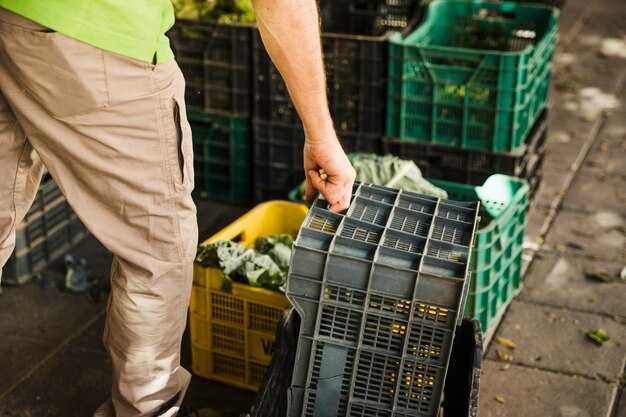
Implement a universal date-labeling protocol across all SKUs and packaging formats to provide real-time visibility into product age and remaining shelf-life. This commitment enables FEFO across every link in the chains from distribution to manufacturing, driving a total reduction in shrink and creating created routines for quick actions. Use a single date field plus a simple color code to signal urgency, with clear meanings to prevent ambiguity and support strategies that keep the entire product distribution globally aligned.
Standardize packaging with barrier materials, tamper-evident seals, and moisture control to minimize loss from spoilage. Link packaging data to real-time temperature logging and the distribution systems to maintain a well-controlled chain. For juice and other high-risk categories, set category-specific temperature targets (for example, 4–6°C for juice) and enforce a target shrink-rate reduction of a measurable percent quarterly. These amounts become actionable when tied to a common dashboard and missions across teams.
In storage, enforce FIFO/FEFO with zone segregation by product risk, and limit the total stock kept in high-risk areas. Rotate stock on every shift and maintain humidity and temperature setpoints tailored to each category, including juice products. Use label alignment between the date system and storage racks to minimize mis-picks and increase accuracy across distribution hubs globally.
Build real-time dashboards and mobile prompts for line workers and drivers. Ensure the data is created and maintained by cross-functional teams, with color-coded alerts that trigger immediate change in handling or repacking. This supports a common mission to save product and avoid waste across the entire supply chain and distribution network.
Measure impact with a total waste index, track the amount saved by packaging and storage improvements, and publish monthly results. Tie these findings to supplier and retailer goals to drive reduction globally and align with ongoing missions. Use the feedback to refine systems and refine the missions for continuous improvement of the chains and manufacturing practices.
Invest in training and standard operating procedures to ensure consistent application across teams. Equip facilities with label printers, cold-chain sensors, and scalable data platforms to support increased throughput and complex data flows. The result: higher product availability, reduced shrink, and stronger customer trust as the entire product journey becomes more resilient across chains and markets.
Waste Valorization: Turning By-Products into Revenue Streams
Implement a pilot program to valorize a chosen by-product stream and turn it into revenue within 90 days.
Map by-product flows that production lines generate, and inventory the resources that can be redirected into new value streams. Many facilities find that peel, pulp, seeds, and trimmings have real potential when processed with reliable methods. A clean separation at the source reduces spoilage and lowers waste disposal costs, delivering environmental and financial gains. Industry says that returning value to the supply chain builds resilience.
Identify streams where volume is stable and contamination is minimal to maximize return on a small-scale pilot.
What you value first: select streams with stable supply, predictable quality, and a clear route to market. An example route is apple pomace dried into a powder for bakery ingredients, or a fiber-rich concentrate for smoothies. This approach helps what you want to achieve: reliable revenue and a stronger resource loop.
Methods you can test in parallel include:
- Drying and milling to create a shelf-stable ingredient with a long freshness window.
- Fermentation or enzymatic processing to produce bioactives or flavor enhancers.
- Selective extraction to recover oils, proteins, or pectin from plant by-products.
- Hydrothermal processing to improve texture and binding for downstream products.
Logistics considerations ensure that the value captured remains that value. Sort by by-product type at the source, store under controlled conditions, and track lot data to keep quality consistent. Efficient handling reduces errors, supports a predictable supply to customers, and drives freshness in finished goods.
Impact and metrics: reduction in waste disposal costs, generated revenue or cost-savings, and environmental benefits such as methane avoided when using anaerobic digestion for energy recovery. Use a simple dashboard to track volumes, yields, and the margin impact. The claims should be transparent and tied to what customers receive as product quality and sustainability claims.
- Reduction targets: set a 5–15% uplift in net margin within the first 12 weeks of the pilot, with staged milestones.
- Quality gates: define contamination limits, moisture specs, and shelf-life requirements for each value stream.
- Resource alignment: map procurement, packaging, and sales to ensure a closed loop that supports growth.
- Stakeholder engagement: involve operations, QA, logistics, and commercial teams from day one.
Common pitfalls include overcomplicating the process, underestimating regulatory needs, and failing to integrate with existing logistics connections. To advance, keep the scope tight, verify quality at every step, and build a cross-functional team that includes production, marketing, procurement, and sales. This approach helps you achieve a reliable, scalable loop that turns waste into a resource of good value for customers and the business, and drives long-term environmental performance.
Roadmap for readiness
- Catalog by-product streams and assess volumes, quality, and seasonal variability.
- Choose two conversion paths and run parallel pilot trials for 6–12 weeks.
- Track yields, costs, and the impact on spoilage, freshness, and waste reduction.
- Implement a micro-plant or modular line within the existing facility and pilot with a key customer.
- Scale up and integrate with logistics, packaging, and sales channels to maximize resources and revenue.