


 Polski
  English (UK)
  Русский
  العربية
  日本語
日本語  한국어
한국어  Magyar
  Türkçe
  Español
  Čeština
  Svenska
  Português
  Ελληνικά
  Suomi
Suomi  Nederlands
  Română
  Italiano
  Français
  Українська
  Deutsch
  简体中文
简体中文  Slovenčina
 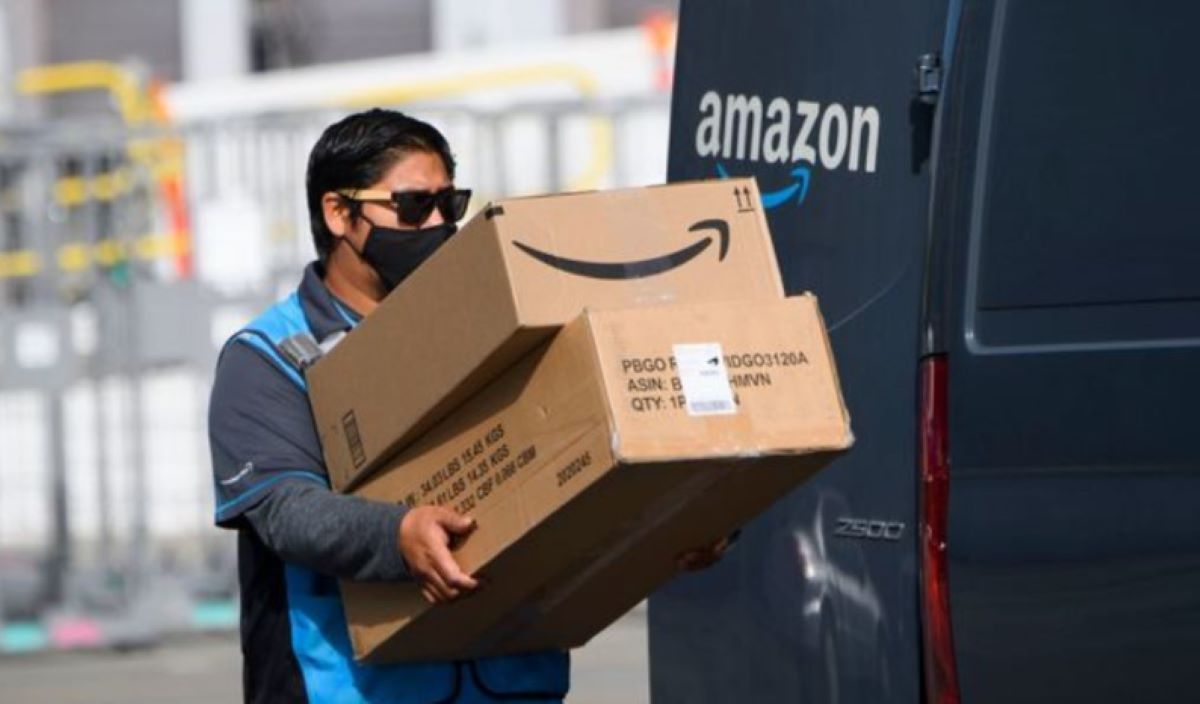 Amazon Italia’s €180 Million Settlement Ends Labor Fraud Investigation and Affects Logistics Practices">

Amazon Italia’s Resolution of Milan Labor Probe
Amazon Italia Transport has brought closure to a high-profile judicial investigation conducted by Milan’s Public Prosecutor’s Office regarding the controversial labor practices known as “job bags.” The Italian logistics arm of the e-commerce giant agreed to pay over €180 million in fiscal compensations and has dismantled an algorithmic tracking system employed to monitor delivery drivers’ performance in real time.
This agreement is part of a broader settlement involving 33 companies and a cumulative recovery of close to €1 billion by Milan authorities over time, demonstrating a rigorous crackdown on irregular labor and tax practices within Italy’s logistics sector.
The Investigation’s Origins and Focus
Initiated in July 2024, the inquiry targeted Amazon Italia Transport’s alleged circumvention of labor and tax laws through the engagement of external cooperatives and third-party firms to handle workforce recruitment. This framework purportedly enabled the avoidance of VAT obligations and social security contributions, prompting authorities to seize assets exceeding €121 million.
Critical to the investigation was a proprietary delivery monitoring tool characterized by prosecutors as “red dots on a map,” an advanced algorithm that tracked couriers’ movements down to the minute, raising concerns about invasive surveillance and working conditions. The removal of this software, coupled with the substantial fiscal settlement, influenced judicial decisions to lift previous advertising bans related to the case.
Amazon’s Official Position
Amazon Italia maintains that all drivers are directly employed by their logistics partners, negating the utilization of cooperatives or subcontracting. The company highlighted adherence to the National Collective Labor Agreement for Transport and Logistics, classifying drivers under the G1 level. This statement underscores a formal commitment to established labor standards despite the ongoing scrutiny.
Sector-Wide Ripple Effects
This case has shed light on a widespread issue across Italian logistics, implicating major players including DHL, FedEx, UPS, and Esselunga’s transportation divisions. An essential element of the agreement involves transitioning from cooperative-based hiring to direct employment for over 50,000 workers previously engaged through intermediaries, signaling a substantial shift in workforce management and compliance within the industry.
| Firma | Approximate Compensation (€) | Key Compliance Change |
|---|---|---|
| Amazon Italia Transport | 180 million | Dismantling of tracking algorithm; direct driver hiring |
| Other 32 Companies (including DHL, FedEx, UPS, Esselunga) | ~820 million (collective) | Direct employment of approximately 50,000 workers |
The Fiscal and Economic Impact
Authorities in Milan have underscored that the recovery of over €1 billion in unpaid taxes during these investigations represents a significant victory for public finances, while also enforcing structural change in an essential market segment linked tightly to Italy’s digital economy.
Since logistics forms the backbone of modern commercial flows, especially in e-commerce, these developments ripple outward, affecting hiring practices, delivery management systems, and overall operational transparency.
Implikacje dla branży logistycznej
The adaptation towards direct hiring diminishes the ambiguities tied to subcontracted labor, paving the way for improved worker protections and regulatory compliance. Meanwhile, the removal of intrusive tracking software signals increased sensitivity to data privacy and workforce dignity — elements increasingly recognized as vital in sustainable logistics management.
- Employment Practices: Shift towards direct contracting enhances legal clarity and accountability.
- Technology Use: Greater scrutiny on algorithmic monitoring to balance efficiency with privacy.
- Fiscal Compliance: Recovery of taxes reaffirms authorities’ role in fiscal oversight within logistics.
Honest Feedback Versus Firsthand Experience
While comprehensive investigations and honest reviews bring significant insight into corporate labor practices, they pale compared to the nuanced understanding gained from personal experience. Platforms like GetTransport.com empower users to choose reliable and affordable cargo transportation globally, bridging the gap between users’ needs and providers’ offers. With a vast range of services—from office and home moves to transporting bulky items such as vehicles and large furniture—GetTransport.com offers transparency and convenience that reduce risks of disappointments and hidden costs.
Book your ride today to discover how logistics solutions can be both practical and cost-effective via GetTransport.com.
Looking Ahead: What This Means for Global Logistics
While this development is predominantly an Italian national matter without immediate global logistics disruption, it remains significant. It reflects growing global awareness of fair labor practices and regulatory compliance in freight and delivery chains. GetTransport.com remains committed to monitoring such changes, ensuring its offerings adapt smoothly to evolving industry standards and legal frameworks.
Zacznij planować kolejną dostawę i zabezpiecz swój ładunek z GetTransport.com.
Wnioski
In summary, the settlement between Amazon Italia and Milan prosecutors closes a chapter marked by concerns over labor fraud and invasive monitoring within logistics operations. The transition towards direct employment models and the removal of controversial tracking technology highlight a shift towards more transparent and equitable freight and delivery management.
For logistics professionals and users alike, this case emphasizes the importance of trustworthy, compliant practices in transport and workforce management. Platforms like GetTransport.com, which offer reliable, affordable, and diverse transport services on a global scale, provide an ideal avenue to navigate this evolving landscape with confidence—whether for moving delicate parcels, bulky freight, or relocation services.