


 Polski
  English (UK)
  Русский
  العربية
  日本語
日本語  한국어
한국어  Magyar
  Türkçe
  Español
  Čeština
  Svenska
  Português
  Ελληνικά
  Suomi
Suomi  Nederlands
  Română
  Italiano
  Français
  Українська
  Deutsch
  简体中文
简体中文  Slovenčina
 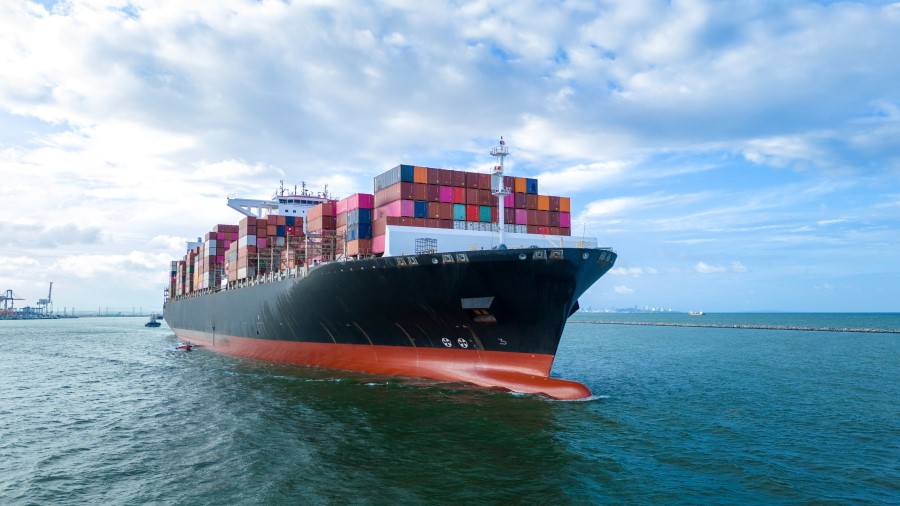 Zrozumienie wpływu amerykańskich ceł na chiński udział własnościowy w globalnej branży żeglugowej">

The Emerging Challenge: Defining Chinese Ownership in Shipping
The global shipping market is currently sailing through murky waters, shaken by the uncertainty surrounding what exactly counts as Chinese ownership of vessels amid newly imposed U.S. tariffs. This issue has become a billion-dollar puzzle that has operators, financiers, and legal experts scratching their heads from the Mediterranean ports of Athens to the bustling harbors of Hong Kong.
With the U.S. introducing sweeping tariffs in 2025, the definition of ownership now extends beyond blatant direct control. It drifts into the shadowy realm of indirect ties such as financing agreements and leasing arrangements involving Chinese entities. Essentially, the line between Chinese and non-Chinese ownership is no longer clear-cut, turning compliance into a high-stakes balancing act for shipping companies.
The Ripple Effects of U.S. Tariffs on Shipping Operations
The tariffs include a general 10% levy on most imports alongside targeted fees against vessels with any Chinese nexus. These measures don’t just aim at ships flagged or directly owned by Chinese firms; even vessels financed through Chinese leasing firms—regardless of where they were built—fall under scrutiny. Such expanded classifications have created a compliance labyrinth, compelling shipping companies to dig deep into ownership and financing details before each transaction.
One industry lawyer explained how this shift is forcing heightened due diligence. Companies now demand transparency regarding beneficial owners and financial backers, since any hidden Chinese connection could expose them to steep penalties.
Shipping Contracts in the Age of Tariffs: A New Playbook
The uncertainty around tariffs linked to Chinese ownership is stirring a transformation in how shipping contracts are drafted and negotiated. Traditional frameworks simply don’t cut it anymore when billions could be at stake due to tariff costs.
New contract clauses are becoming standard, including:
- Tariff indemnity clauses that shift financial responsibility for tariffs, often from seller to buyer in trade terms like CIF (Cost, Insurance, Freight) and DDP (Delivered Duty Paid).
- Price adjustment provisions that activate when tariffs surpass certain thresholds, allowing dynamic recalibration of contract prices.
- Renegotiation and exit clauses offering structured options to revisit or dissolve agreements if tariffs undermine the deal’s economic balance.
- Force majeure extensions specifically covering tariff increases, enabling suspension or termination without penalties.
Even contracts with FOB (Free on Board) terms, where buyers usually handle tariffs, now often include shared cost agreements and mandatory origin disclosures to manage risk more transparently.
Adapting Corporate Structures Amid Tariff Pressures
The tariff game isn’t just tweaking contracts; it’s prompting a deep structural rethink. Shipping companies are wrestling with the best strategies to sidestep or limit tariff exposure. This includes diversifying shipyards away from China to places like South Korea and Japan, as well as renegotiating or unwinding Chinese lease agreements whenever possible.
| Strategy | Opis | Wyzwania |
|---|---|---|
| Lease Renegotiation | Adjust existing Chinese lease contracts to exclude tariff liability. | Long-term obligations, early termination penalties, complex legal hurdles. |
| Fleet Diversification | Sourcing new vessels from non-Chinese shipyards. | Production delays, higher costs, logistical complexities. |
| Purchase Options | Exercise options to buy out leased vessels avoiding tariff fees. | Requires significant capital, impacts cash flow. |
These adjustments are often easier said than done. Lease arrangements with Chinese lessors tend to be deeply embedded, featuring stringent covenants and stiff penalties. Even ships built outside China but financed or operated by Chinese entities are caught in the web.
Insurance Markets Weigh In on Tariff-Related Risks
Insurers aren’t staying on the sidelines either. Insurance policies are evolving to cover the fallout from these new tariffs and trade-related disruptions. Enhanced trade disruption coverage now protects against losses from delays, supply chain breakdowns, sanctions, and infrastructural failures linked to tariff-induced challenges.
This insurance adaptation reflects a wider industry trend toward managing increasing regulatory uncertainty via risk-averse and flexible contractual mechanisms.
What This Means for the Logistics and Shipping Industry
The reshaping of shipping ownership norms and contract structures carries direct consequences for globalna logistyka. Shipping companies, freight forwarders, and cargo movers must navigate these compliance waters carefully, or risk costly interruptions and financial exposure.
From a logistics perspective, the new tariff landscape underscores the importance of transparency, traceability, and adaptability in freight and shipment planning. Whether you are moving bulky machinery, vehicles, or delicate parcels, understanding the ownership and origin of vessels is critical—for compliance as well as cost management.
Effect on Global Supply Chains and Forwarding
These tariffs add layers of complexity to international distribution and haulage. For logistics providers, this means:
- Heightened scrutiny on shipping partners and carriers.
- Potential delays in delivery schedules due to additional compliance checks.
- Increased costs passed down the supply chain, especially for shipments linked to Chinese ownership.
- Necessity for agile contract terms and risk-sharing agreements across shipping and freight forwarding partnerships.
Reliability in supply chain logistics depends more than ever on knowing the full story behind every container, pallet, or parcel movement.
Key Takeaways and Final Thoughts
Świat żeglugowy dostosowuje się do nowej rzeczywistości zdefiniowanej przez złożone definicje własności statków i wysokie cła celne skierowane na związany z Chinami transport morski. Rozwój ten wpływa nie tylko na armatorów i finansistów, ale także rozprzestrzenia się na globalną logistykę, warunki umów i struktury ubezpieczeniowe.
Dla firm zajmujących się transportem, spedycją i dostawą ładunków lekcja jest jasna: należytość i zabezpieczenia umowne są teraz niezastąpione. Strategiczna dywersyfikacja floty i przeanalizowane modele leasingu są również kluczowe dla zarządzania ryzykiem taryfowym i utrzymania efektywności transportu.
Experience Speaks Louder Than Words
Choć raporty, analizy prawne i recenzje ekspertów dostarczają cennych spostrzeżeń, nic nie zastąpi doświadczenia. Obsługa transportu ładunków w dynamicznych środowiskach regulacyjnych wymaga niezawodności, efektywności kosztowej i wygody.
GetTransport.com oferuje właśnie to — przystępną cenowo, globalną platformę transportową, doskonale radzącą sobie z różnorodnymi potrzebami spedycyjnymi. Niezależnie od tego, czy jest to relokacja biura czy domu, wysyłka dużych mebli, pojazdów czy ciężkich ładunków, ta platforma zapewnia przejrzystość i szeroki zakres opcji dopasowanych do każdego wyzwania logistycznego.
Korzyści takie jak konkurencyjne ceny i łatwa rezerwacja dają klientom możliwość podejmowania świadomych decyzji bez bólu głowy związanego z ukrytymi kosztami lub niespodziankami w zakresie zgodności z przepisami. W labiryncie zmieniających się polityk handlowych, posiadanie zaufanego sojusznika logistycznego może zrobić całą różnicę. Zarezerwuj przejazd na GetTransport.com.
Patrząc w przyszłość: Radzenie sobie z logistyką w zmieniającym się środowisku handlowym
Chociaż złożoność ceł i definicji własności może nie zrewolucjonizować logistyki na całym świecie z dnia na dzień, z pewnością ma znaczenie dla interesariuszy zaangażowanych w statki powiązane z chińskim finansowaniem lub własnością. Branża szybko ewoluuje swoje ramy zgodności i umów, sygnalizując przejście w kierunku bardziej zwinnych i ostrożnych operacji logistycznych.
W GetTransport.com na bieżąco śledzimy tego typu wydarzenia, ponieważ jest to część misji zapewnienia płynnych i opłacalnych rozwiązań w zakresie wysyłki, frachtu i transportu. Zacznij planować swoją kolejną dostawę i zabezpiecz swój ładunek z pewnością, korzystając z wygody i niezawodności. GetTransport.com.
Podsumowanie
Podsumowując, amerykańskie cła wprowadzone w 2025 roku objęły szerokim zasięgiem branżę transportową, przekształcając chińskie własności w skomplikowany i kosztowny problem. Powoduje to falę nowych klauzul kontraktowych, zmian w ubezpieczeniach i wysiłków restrukturyzacyjnych mających na celu złagodzenie ryzyka związanego z cłami. Zmiany te mają realny wpływ na logistykę – przewoźnicy, spedytorzy, firmy przeprowadzkowe i dystrybutorzy muszą być przygotowani na zwiększoną kontrolę i dynamiczne negocjacje.
Platformy takie jak GetTransport.com wprowadzają bardzo potrzebną łatwość i przystępność cenową do tego skomplikowanego krajobrazu, oferując niezawodne rozwiązania transportowe dla ładunków na całym świecie. Od przewozu ciężkich palet po koordynację międzynarodowych wysyłek, ich usługi upraszczają wysyłkę towarów i przeprowadzkę, sprawnie i transparentnie podchodząc do wyzwań postawionych przez tę nową erę taryfową.