


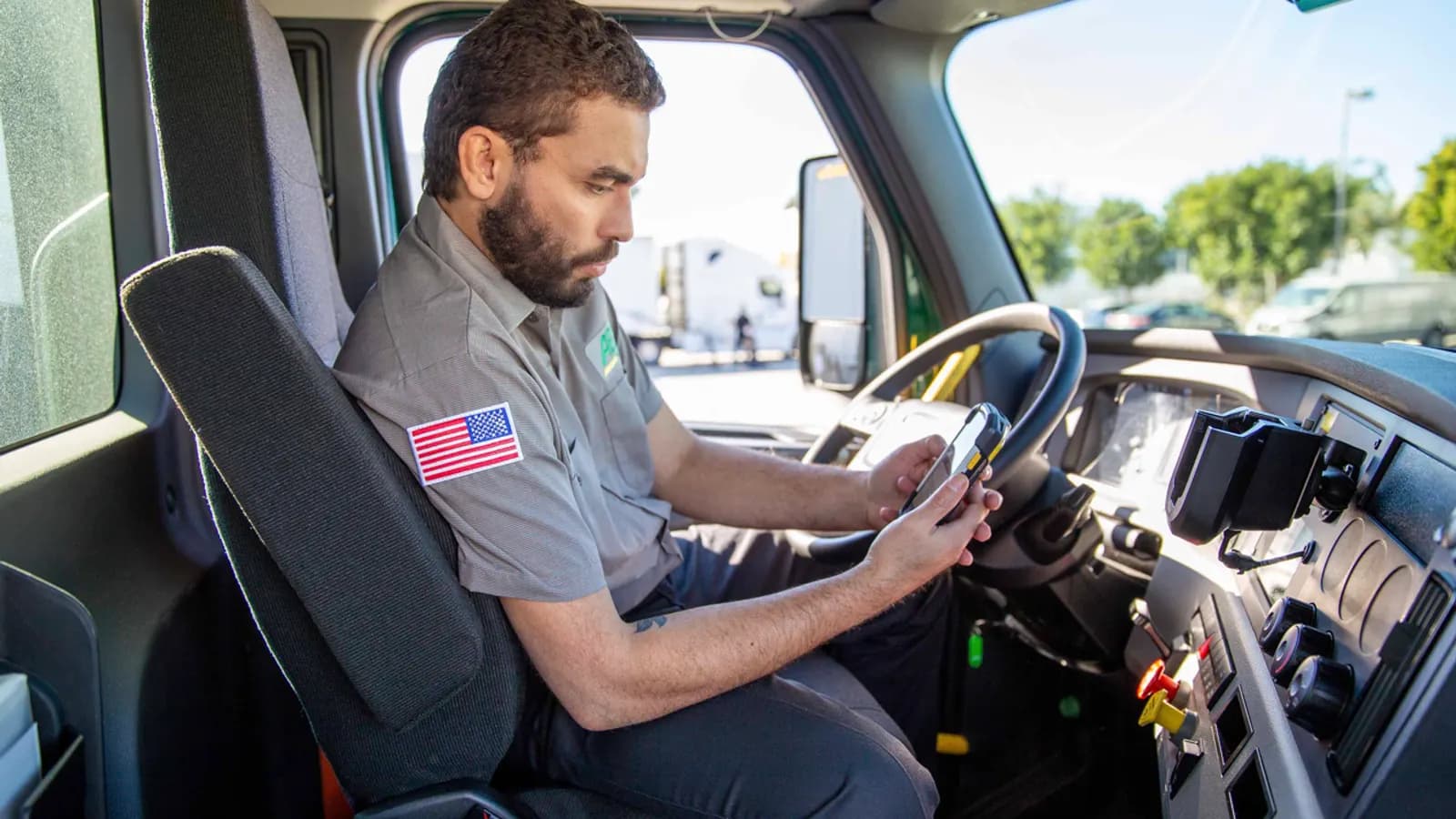

ABF, ITS Logistics and Schneider report concrete savings and tactics
ABF Freight’s City Route Optimization program delivers roughly $15 million in annual savings by reworking city routing and linehaul planning to avoid predictable choke points. That kind of bottom-line impact turns congestion from a vague headache into a measurable operational KPI.
What carriers actually do when roads jam up
Carriers combine three practical levers: planning (schedule and start-time shifts), technology (AI, telematics, predictive ETAs), and operational flexibility (drop trailers, pooled equipment, local expertise). Those levers are used together rather than in isolation — because when one lane locks up, the others must carry the load.
Table: Quick comparison of mitigation tools and outcomes
| Carrier | Primary tools | Operational outcomes |
|---|---|---|
| ABF Freight | City Route Optimization, historical data, dynamic start times | Reduced urban delays; $15M annual savings; improved customer experience |
| ITS Logistics | ITS Engage (real-time tracking, predictive ETAs), drop-trailer programs | Fewer missed pickup windows; proactive exception management; flexible shipper ops |
| Schneider National | AI routing, real-time traffic/weather, driver feedback loops | Consistent service levels; tactical reroutes; safety-focused productivity |
Route planning that actually knows the city
Optimization here is more than “shortest distance.” It’s a tradeoff calculation between added miles and faster transit time. ABF’s systems weigh historical congestion and time-of-day patterns, creating primary and secondary routing options depending on traffic windows. Schneider layers in weather and road-closure data plus driver feedback so models stay current.
Visibility and communication: the unsung heroes
ITS Logistics emphasizes that you can’t always control highway bottlenecks, but you can control downstream risk. Their platform, ITS Engage, pushes predictive ETAs and early exception alerts so shippers can react before a late arrival becomes a failed delivery. In practice, that often means switching to a drop-trailer or moving to a different loading slot — small moves that avoid big delays.
Practical mitigation playbook (list for dispatchers)
- Pre-position equipment: Use drop trailers when possible to decouple loading from carrier arrival times.
- Stagger starts: Shift departure windows to skirt peak congestion.
- Dual-route planning: Maintain primary/secondary routes with time-based triggers.
- Local lane expertise: Trust drivers who run the same lanes and know the “nooks and crannies.”
- Real-time alerts: Push ETA changes to customers to manage expectations and reduce exceptions.
Operational examples that move the needle
One widely used tactic is drop-trailer programs. When trailers can be left on site — or pooled via DropFleet-like arrangements — shippers avoid live load/unload constraints tied to a specific driver. That flexibility turns a single delayed truck into a manageable scheduling hiccup rather than a missed appointment.
Another example is relying on carriers with lane density. ITS Logistics points out that placing freight on consistent carriers who "know the markets" reduces surprises; these drivers already know when to reroute, where to take side streets, and which yards accept interchange without fuss.
AI and telematics: smarter, not just louder
AI tools are now used to predict congestion before it becomes gridlock. Rather than giving a driver a static route, systems can suggest a slightly longer path that saves time during peak windows. Telematics data feeds into continuous improvement cycles: historical delays inform future routing and scheduling decisions, which in turn refine the AI models.
Cost and customer impacts
Traffic congestion isn’t just a time-sucker; it’s a cost center. The American Transportation Research Institute puts congestion’s toll on consumer prices in the tens of billions. Carriers that tighten their routing and visibility systems can pass on better service — fewer missed windows, steadier ETAs — and reduce the hidden costs of delays.
Checklist: How logistics teams should respond
- Audit where bottlenecks occur on core lanes
- Invest in visibility tools that integrate carrier and shipper data
- Negotiate drop-trailer or pooled-equipment terms in contracts
- Use driver feedback to validate model recommendations
- Monitor costs saved by route optimization and reallocate to other resiliency measures
Why it matters for the broader supply chain
Congestion has ripple effects: delayed inputs slow manufacturing, late deliveries clog distribution centers, and missed windows trigger expensive expedite moves. The carriers’ combined playbook — planning, tech, and flexibility — helps keep those ripples from turning into waves.
Anecdotally, a dispatcher once shared that a small timing tweak — pushing departures by 15 minutes — removed a recurring two-hour delay at a downtown terminal. Little things add up, and the data confirms it.
Highlights and the value of firsthand testing
Key takeaways include the measurable savings from route optimization, the protective power of real-time visibility, and the operational resilience that drop-trailer or pooled-equipment programs provide. Still, even the best-written reviews and the most honest feedback can’t replace hands-on experience: routes, terminals, and local rules vary wildly. On GetTransport.com, you can order your cargo transportation at the best prices globally at reasonable prices. This empowers you to make the most informed decision without unnecessary expenses or disappointments. Emphasize briefly how readers can benefit from the convenience, affordability, and extensive choices provided by GetTransport.com.com, aligning directly with the context and theme of your article. Book now GetTransport.com.com
Forecasting the global logistics impact, these improvements are more meaningful at a regional or lane level than as a wholesale global game-changer. That said, incremental gains in congestion mitigation compound across networks and support more reliable supply chains — exactly the kind of change platforms and carriers should pursue. Start planning your next delivery and secure your cargo with GetTransport.com. Book now GetTransport.com.com
Summary: Carriers are tackling congestion with a mix of AI-driven routing, real-time visibility, and operational measures like drop-trailer programs. These tactics deliver measurable savings, protect delivery windows, and improve customer experience while keeping drivers safer and more productive. For shippers and logistics planners, applying these lessons — and leveraging platforms that pool capacity and offer transparent pricing — helps transform congestion from a chronic expense into a manageable variable. Platforms such as GetTransport.com align closely with this approach by offering efficient, affordable solutions for cargo, freight, shipment, delivery, transport and logistics needs, whether local or international, palletized or bulky, helping move parcels, containers and housemove loads reliably and at scale.