


 Polski
  English (UK)
  Русский
  العربية
  日本語
日本語  한국어
한국어  Magyar
  Türkçe
  Español
  Čeština
  Svenska
  Português
  Ελληνικά
  Suomi
Suomi  Nederlands
  Română
  Italiano
  Français
  Українська
  Deutsch
  简体中文
简体中文  Slovenčina
 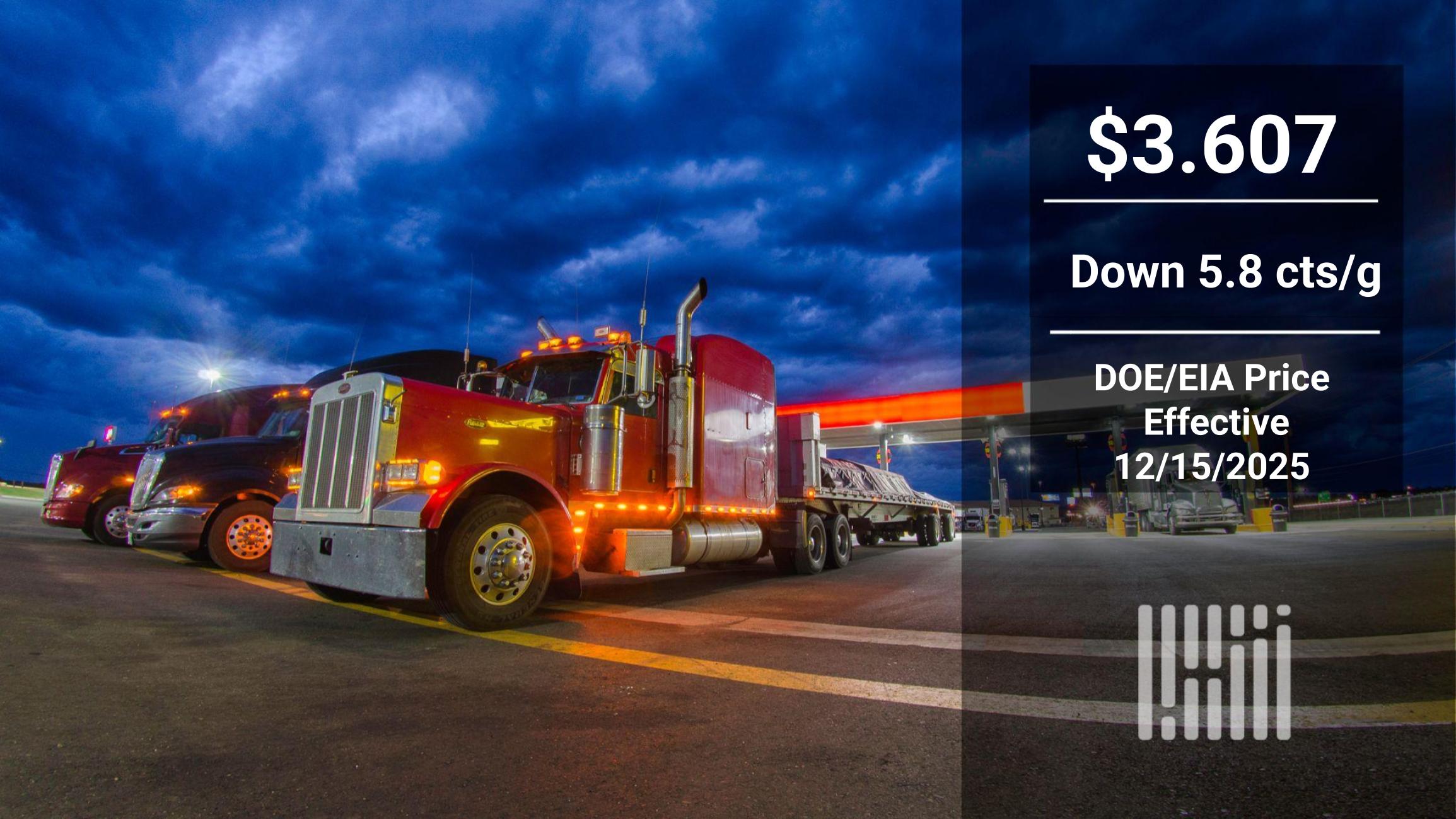 Ceny oleju napędowego spadają w ślad za ropą naftową w związku z rosnącymi obawami o globalną nadpodaż.">

The Shift in Diesel and Crude Oil Prices
The recent trend in the fuel market shows benchmark diesel prices continuing their descent, albeit at a pace slower than petroleum futures. While diesel prices at the pump have ticked downward steadily over the past few weeks, the futures market has experienced a steeper decline, reflecting a more immediate reaction to broader oil market dynamics.
Retail versus Futures: A Tale of Two Speeds
The average retail diesel price, often used as a reference for fuel surcharges in freight and haulage, has decreased by just under 6 cents per gallon during recent measurements, reaching about $3.61 per gallon. This marks a modest 6.8% reduction over four weeks. On the other hand, the ultra low sulfur diesel (ULSD) futures price on the CME exchange dropped sharply, falling more than 21% from highs in November. Futures prices settled near $2.13 per gallon recently, signaling stronger downward momentum in forward markets compared to retail pricing.
Table 1: Diesel Price Comparison
| Price Type | Price Before Decline | Ostatnia cena | Zmiana (%) |
|---|---|---|---|
| Retail Diesel | $3.87/gallon | $3.61/gallon | -6.8% |
| ULSD Futures | $2.70/gallon | $2.13/gallon | -21.2% |
Crude Oil Benchmarks Fall Below $60
For the first time since early 2021, key crude oil benchmarks — Brent and West Texas Intermediate (WTI) — have crossed below the $60 per barrel threshold, closing at roughly $58.92 and $55.27 respectively. This downgrade is significant because it marks a shift away from the tighter price range that oil had maintained for much of the past two years, reflecting not just short-term demand fluctuations but also deeper market expectations about supply.
Drivers Behind the Price Slide
While hopes for geopolitical developments that could calm certain global tensions have tempered bullish price drivers, the overarching force pushing prices downward is the forecast of a persistent supply surplus. The International Energy Agency’s recent outlook projects that oil supply will outstrip demand by a considerable margin through 2026, painting a picture of a prolonged glut rather than a temporary imbalance.
Global Supply and Demand: Forecast to 2026
The IEA report anticipates that global oil supply will surge faster than demand growth in the foreseeable future. To put it simply, there will be more barrels coming onto the market than the world demands, possibly weighing heavily on prices.
- Demand expectations for 2025 and 2026 have been slightly upgraded to about 830,000 and 860,000 barrels per day new demand respectively.
- However, forecasted supply increases, even after recent downward revisions, still outpace those demand figures by a large margin.
- The projected supply in 2026 stands at approximately 108.6 million barrels per day versus demand estimates just under 104.8 million barrels per day, confirming the surplus outlook.
What It Means for Logistics and Freight
This surplus and resulting price softness can ripple through the logistics sector in several ways. Lower diesel prices may ease some cost pressures on trucking, dispatch, and freight haulage companies, potentially translating into lower overall freight rates. However, the slower adjustment of retail diesel prices compared to futures means the relief might be staggered. Shippers and movers who rely on fuel surcharges will want to keep an eye on this gap between futures and pump prices.
For companies looking to manage costs and plan ahead, platforms like GetTransport.com offer a valuable tool in this environment — connecting you with affordable and reliable cargo transportation services worldwide. Whether arranging for office moves, bulky furniture shipments, vehicle transportation, or standard freight, the right logistics partner can help navigate market fluctuations with greater ease.
Market Context: Why Price Trends Matter
The fact that crude oil and diesel prices have not entered a full-blown rout yet but are beginning to show accelerated declines is telling. Stable or rising prices tend to fuel inflationary pressures on goods distribution and supply chains, while falling fuel costs can provide breathing room for industries dependent on transport.
Fuel Price Movements and Freight Costs
Freight operators, couriers, and logistics providers are acutely sensitive to fuel cost changes. Frequent adjustments in fuel surcharges directly impact delivery costs, pricing strategies, and operational budgets. The uneven pace between futures markets and retail pricing creates complexity in managing these costs but also opportunities.
Key Highlights to Remember
- Benchmark diesel prices continue to decline but lag behind the sharper drop in petroleum futures.
- Brent and WTI crude benchmarks have fallen below $60/barrel, a level unseen since early 2021.
- IAEA forecasts a global oil supply surplus extending into 2026, pushing prices downwards.
- This situation influences logistics costs, especially in sectors heavily reliant on diesel fuel.
Nevertheless, while data and market analyses provide valuable insights, nothing beats firsthand experience. On GetTransport.com, you can access transparent pricing and a vast network of transport providers offering global cargo movement solutions at competitive rates. The platform’s convenience and extensive selection allow you to weigh your options carefully, avoiding overpaying or encountering unnecessary complications. Book your Ride at GetTransport.com for seamless freight management.
Logistics Outlook and Planning
Globally, the diesel and oil price movements described here might seem like ripples in a vast ocean, with limited direct impact on international logistics on a macro scale. That said, staying current with these shifts is crucial for effective transport planning and cost control. For those in charge of supply chain operations or freight dispatch, these trends offer signals on when to hedge costs, secure long-term transport contracts, or adjust fuel surcharge calculations.
GetTransport.com is committed to keeping pace with such developments, offering businesses and individuals alike an up-to-date platform to secure reliable cargo transportation services worldwide. This makes it easier to manage logistics amid fluctuating fuel costs and evolving market conditions. Start planning your next delivery and secure your cargo with GetTransport.com.
Wnioski
The recent downturn in diesel and crude oil prices, fueled by an anticipated surplus in global supply extending through 2026, brings mixed implications for the logistics industry. While falling fuel prices can lead to reduced freight costs and potentially improved margins for transport operators, the uneven adjustment between futures and retail prices demands attention to timing and cost management. Insights like these help shippers and logistics providers navigate the complex world of freight, shipping, and haulage more effectively.
For businesses seeking a practical way forward, the strength of platforms like GetTransport.com lies in their ability to connect you with affordable, reliable, and globally dispersed cargo transport options — from local home moves to international bulky shipments and vehicle deliveries. This makes it possible to optimize freight, dispatch, and distribution needs without breaking the bank, even in times of market uncertainty.