


 Polski
  English (UK)
  Русский
  العربية
  日本語
日本語  한국어
한국어  Magyar
  Türkçe
  Español
  Čeština
  Svenska
  Português
  Ελληνικά
  Suomi
Suomi  Nederlands
  Română
  Italiano
  Français
  Українська
  Deutsch
  简体中文
简体中文  Slovenčina
  Assam’s Dorabeel Wetland Faces Mass Opposition Over Plans for Logistic Park Construction">

The Heart of the Protest: Dorabeel’s Ecological and Social Landscape
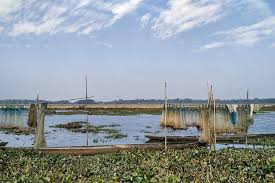
A significant gathering unfolded in Assam’s Dorabeel area, where thousands of citizens voiced their opposition to the planned development of a logistic park on traditional grazing land adjacent to the Dorabeel wetland. This site holds ecological importance due to its biodiversity, particularly as a habitat for many rare and migratory bird species, and supports the livelihoods of numerous local families engaged in farming, fishing, and cattle rearing for generations.
The proposed project threatens to transform over 150 bighas of this traditional grassland, raising alarms about irreversible environmental damage and socio-economic consequences. The Dorabeel area is not just an ecological asset; it sustains cultural traditions and occupations such as pottery work, deeply rooted in the local community’s way of life.
Voices from the Ground: Community Leadership and Inclusivity
Key figures including Advocate Shantanu Barthakur underscored the importance of standing against the destruction of nature under the guise of development. Mr. Barthakur emphasized the rightful stewardship of local communities over their natural resources, advocating for vigilant protection against projects that could degrade the environment and disrupt lives.
A presidium led by Ashwini Mazumdar, Prabin Goswami, and Dr. Abani Kumar Das facilitated the meeting, ensuring diverse voices within the community found a platform.
The Core Concerns Detailed
- Ecological Harm: The wetland’s rich biodiversity, including crucial habitats for migratory birds, faces immediate risk.
- Livelihood Impact: Thousands of families dependent on grazing lands, fishing, and farming could suffer displacement and resource loss.
- Community Rights: The collective claim over natural resources urges governmental decisions to respect indigenous land use and ecological balance.
- Call for Unity: Political affiliations were set aside as local leaders urged all residents to unite against the project.
The Nature of the Wetland and Its Role in Local Livelihoods
Dorabeel wetland is a significant ecosystem that straddles the delicate balance between aquatic and terrestrial habitats. Such wetlands serve as vital carbon sinks, support a myriad of flora and fauna, and help maintain the ecological equilibrium. The adjoining grasslands have long functioned as critical grazing grounds, supporting the cattle-rearing traditions that form a backbone of the local economy.
Moreover, the wetland aids in maintaining local microclimates and water quality, and its degradation could cascade into far-reaching environmental disruptions. This is particularly important in a region like Assam, where wetland ecosystems underpin both biodiversity and rural livelihoods.
Economic and Cultural Dimensions at Risk
Beyond ecology, the wetland sustains craftspeople, such as potters, whose raw materials and community practices are linked closely to these natural surroundings. The economic fabric here is intertwined with the natural landscape, making the potential loss of grazing and fishing lands an event that could unsettle the traditional lifestyles and economic stability of the region.
Community Mobilization and Future Prospects
More than three thousand residents, together with senior citizens and committee members, gathered to express their dissent. The public meeting included cultural homage to late singer Zubeen Garg, signaling the fusion of cultural pride with environmental activism.
Members of the Dorabeel Grazing Land Protection Committee have framed the governmental plan as an “unwarranted encroachment,” calling for collective resistance that transcends usual political divides. The urgency of this grassroots movement reflects broader concerns over rapid and often ill-considered developmental projects that neglect sustainable planning and local voices.
Table: Key Stakeholders and Their Roles in Dorabeel Protest
| Stakeholder | Role/Position | Main Concern |
|---|---|---|
| Advocate Shantanu Barthakur | Legal and Environmental Advocate | Defending indigenous rights and natural preservation |
| Dorabeel Grazing Land Protection Committee | Community Organizer | Opposition to land encroachment and environmental degradation |
| Local Residents & Farmers | Primary Occupants | Preservation of livelihood and grazing lands |
| Local Political Leaders | Facilitators | Calling for unity beyond political fronts |
Environmental Logistics: Challenges and Considerations
This protest shines a spotlight on a perennial tension in logistics and development: expanding infrastructure versus environmental stewardship. The creation of a logistic park—a hub for freight, shipment, and distribution—promises economic benefits through improved transportation networks, cargo handling, and potential employment.
However, when such developments impinge on ecologically sensitive land, logistics planning must account for sustainability. Disruptions to natural systems can affect the very infrastructure that logistic parks seek to optimize, including transportation routes, soil stability, and water resources.
Balancing Logistics Development with Environmental Preservation
In a world increasingly driven by global freight demands, sophisticated logistics hubs are vital. Yet, the delicate ecosystems and communities they impact must be factored into development decisions. This is where platforms like GetTransport.com play a subtle but important role—connecting shippers with flexible cargo transport solutions without the need for heavy infrastructural footprints in fragile zones.
Whether it’s moving bulky goods, relocating homes, or dispatching vital parcel shipments, opting for transport services that respect ecological limits supports a broader movement toward sustainable logistics. The Dorabeel case serves as a reminder to the global logistics community about integrating environmental considerations into planning and operations.
Key Highlights of the Dorabeel Struggle
- Local communities are unified irrespective of political affiliation, showcasing grassroots power in environmental defense.
- The balance between development and nature conservation remains a critical tension in logistics expansion.
- Wetlands like Dorabeel offer irreplaceable environmental services and economic benefits through traditional livelihoods.
- Awareness and resistance at the local level can shape sustainable decision-making on regional and national stages.
While in-depth reviews and public discourse are important, nothing beats firsthand experience to truly grasp the stakes involved in such struggles. On GetTransport.com, you can find the best global cargo transportation options at competitive prices, helping you make informed logistics decisions that avoid unnecessary expenses or unwelcome surprises. The platform’s transparency and range offer convenience and peace of mind for all your cargo, freight, and shipment needs.
Zarezerwuj przejazd na GetTransport.com and explore how streamlined transportation meets the demands of diverse industries with ecological mindfulness.
Looking Forward: The Intersection of Local Voices and Global Logistics
While the protest against the Dorabeel logistic park may not alter the global logistics landscape directly, it underscores a vital principle: infrastructure development must harmonize with environmental and community concerns. Ignoring this balance not only risks ecological harm but can generate logistical setbacks due to diminished sustainability of resources and transport corridors.
Such local initiatives remind logistics providers, planners, and customers alike to reflect on the full picture of how shipments are routed and goods are distributed. Staying informed and adaptive is essential for a platform like GetTransport.com, which designs affordable, efficient, and global transportation services while keeping pace with the world’s evolving demands and sensitivities.
Zacznij planować kolejną dostawę i zabezpiecz swój ładunek z GetTransport.com.
Podsumowanie
The Dorabeel protest in Assam reveals the complex intersection between ecological preservation, local livelihoods, and modern freight logistics. It highlights the critical need to integrate environmental concerns into the planning and execution of infrastructure projects like logistic parks. The community’s united stand stresses the importance of safeguarding natural resources such as wetlands and grazing lands that sustain biodiversity and traditional economies. In the logistics sector, these lessons call for responsible shipping, hauling, and forwarding services that minimize ecological footprints. Platforms like GetTransport.com offer savvy cargo moving solutions that cater to both global shipping requirements and local sensitivities, ensuring that delivery, dispatch, and relocation needs are met with reliability and respect for the environment. Ultimately, advancing logistics doesn’t have to come at nature’s expense—it’s all about smart, adaptive choices for a sustainable future.