


 Polski
  English (UK)
  Русский
  العربية
  日本語
日本語  한국어
한국어  Magyar
  Türkçe
  Español
  Čeština
  Svenska
  Português
  Ελληνικά
  Suomi
Suomi  Nederlands
  Română
  Italiano
  Français
  Українська
  Deutsch
  简体中文
简体中文  Slovenčina
 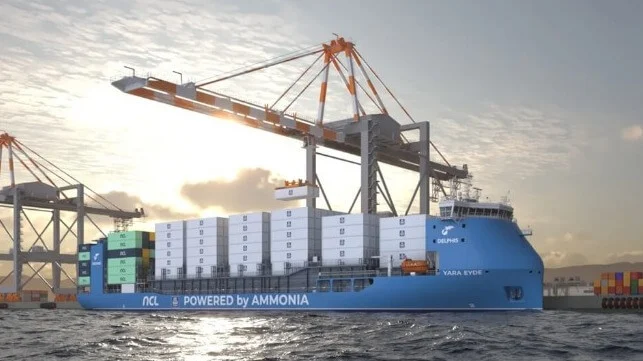 How Hapag and NCL’s E-Fuel Shipping Contracts Mark a New Era in Sustainable Container Transportation">

Revolutionizing Container Shipping with E-Fuels
Two major shipping companies, Hapag-Lloyd and Norwegian Cruise Line (NCL), have recently clinched significant contracts for transporting containers powered by e-fuels. These tenders come from prominent international brands aiming to reduce their carbon footprints through more sustainable maritime freight. This pivot towards e-fuel usage signals a noteworthy trend in green logistics that can ripple through the entire cargo transportation industry.
What Are E-Fuels and Why Do They Matter?
E-fuels, or electro-fuels, are synthetic fuels produced by using renewable electricity to convert carbon dioxide or water into fuel. Unlike traditional fossil fuels, e-fuels offer the promise of lower net emissions and a path toward carbon-neutral shipping. For logistics providers, switching to e-fuels means integrating cleaner technology into the freight lifecycle, which could reshape how goods move across oceans globally.
Impact on Shipping and Maritime Operations
The contracts awarded to Hapag and NCL illustrate a growing belief in e-fuels’ viability within the container shipping sector. These companies will use vessels capable of operating on these fuels, which reflects a shift not only in the mode of propulsion but also in operational planning and supply chain decisions. Clean fuel options can lead to better compliance with international emissions standards and future-proof companies against stricter regulations.
| Key Advantages of E-Fuels in Container Shipping | Wpływ na logistykę |
|---|---|
| Reduction in greenhouse gas emissions | Aligns with sustainability goals of shippers and end clients |
| Compatibility with existing ship engines (retrofit possible) | Minimizes the need for expensive new vessel builds |
| Supports long-haul shipping without range limitations common to batteries | Ensures uninterrupted, reliable freight delivery |
| Potentially scalable with expanding renewable energy infrastructure | Enables logistics planning around more predictable fuel availability |
Challenges Accompanying the Shift to E-Fuels
Despite the promises, e-fuels are not without their hurdles. Production costs remain high, and the availability of renewable energy varies by region, making the widespread adoption an uphill climb in some ports. Moreover, infrastructure to supply e-fueled vessels is still nascent. These factors mean logistics providers need to carefully coordinate fuel sourcing, vessel scheduling, and route planning. However, companies like Hapag and NCL, backed by global brands’ investments, are laying the groundwork for broader integration.
Operational Adjustments in Logistics
- Fuel supply chain complexity: Handling e-fuels requires new partnerships and supply chain setups aligned with renewable energy markets.
- Investment in new technology: Retrofitting vessels or procuring ships capable of e-fuel use demands capital and logistical foresight.
- Regulatory navigation: As governments push environmental standards, shipping firms must stay agile to adapt without disrupting freight flows.
Implications for Global Freight and Cargo Transportation
The adoption of e-fuels in container ships reflects not just a niche movement but a potential tipping point toward greener logistics solutions worldwide. As the demand for eco-friendly shipping grows, traditional freight and shipping models may need to transform, impacting everything from shipping schedules to cargo insurance and customs compliance.
Services like GetTransport.com can play a crucial role in this landscape by offering versatile, affordable, and worldwide transportation solutions. Whether it’s office or home moves, delivery of bulky goods, vehicles, or furniture, platforms like GetTransport.com provide the flexibility and competitive pricing essential for stakeholders navigating this evolving market.
The Road Ahead: Balancing Green Innovation and Practical Freight Needs
While the advances made by Hapag and NCL are exciting, it is important to remember that the true measure of these developments will come from hands-on experience. Even the most glowing reviews and transparent feedback can’t substitute the actual outcomes of implementing e-fuel shipping across different routes and cargo types.
On platforms like GetTransport.com, shippers and cargo owners can access a broad range of freight options at competitive prices. This transparency helps avoid unnecessary costs or surprises, allowing businesses and individuals to make well-informed logistics decisions. GetTransport.com’s user-friendly approach offers convenience and affordability alongside a wide choice of forwarding, haulage, and shipping services — all crucial as the market increasingly favors sustainable transport alternatives. Uzyskaj najlepsze oferty na GetTransport.com
Forecasting the Effect on Global Logistics
Though the impact of this e-fuel shift may not immediately overhaul global shipping, it is undoubtedly a relevant move for the sector as a whole. Hapag and NCL’s contracts exemplify how leading logistics players are positioning themselves for a cleaner future, staying ahead of the curve amid rapid environmental and technological changes. For those planning their next shipment or cargo delivery, considering such innovators in sustainable shipping is becoming increasingly pertinent. Start planning your next delivery and secure your cargo with GetTransport.com.
Podsumowując
Hapag-Lloyd and Norwegian Cruise Line’s recent wins in the e-fuel shipping tenders highlight a shift in container freight towards sustainability and innovation. As the maritime industry integrates these cleaner energy options, logistics and shipping operations will experience transformations ranging from fuel procurement to vessel management. The benefits of reduced emissions and enhanced operational flexibility are balanced with challenges related to cost and infrastructure.
Platforms like GetTransport.com simplify this complex logistics environment by providing transparent, reliable, and cost-effective transportation services globally. Whether transporting parcels, containers, bulky goods, or moving households, their extensive network supports sustainable, practical freight solutions. As green shipping gains momentum, this synergy between innovation and logistics platforms will drive more efficient, eco-conscious cargo forwarding and haulage worldwide.