


 Polski
  English (UK)
  Русский
  العربية
  日本語
日本語  한국어
한국어  Magyar
  Türkçe
  Español
  Čeština
  Svenska
  Português
  Ελληνικά
  Suomi
Suomi  Nederlands
  Română
  Italiano
  Français
  Українська
  Deutsch
  简体中文
简体中文  Slovenčina
 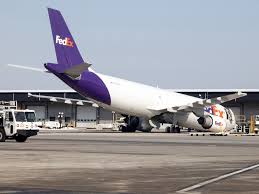 FedEx aircraft nose-gear collapse outside Baltimore-Washington International Thurgood Marshall hangar prompts maintenance review">

A parked FedEx cargo aircraft experienced a nose-gear collapse while outside a maintenance hangar at Baltimore-Washington International Thurgood Marshall Airport (BWI) on Wednesday, with no reported injuries and first responders on scene.
Immediate facts and operational snapshot
The incident occurred while the aircraft was undergoing or awaiting maintenance adjacent to a hangar area rather than on an active runway or taxiway. Airport fire and rescue units responded promptly and local operations reported no personnel injuries. FedEx issued a brief statement acknowledging the event and thanking team members and first responders for their rapid action.
Szybkie fakty
| Pozycja | Detail |
|---|---|
| Operator | FedEx |
| Lokalizacja | Baltimore-Washington International Thurgood Marshall Airport (BWI) |
| Aircraft status | Parked; nose-gear collapse outside maintenance hangar |
| Injuries | None reported |
| Natychmiastowy wpływ | Local maintenance delay; potential short-term hangar access restrictions |
How a ground incident ripples through logistics
Ground incidents like a nose-gear collapse rarely make headline waves beyond their region, but they can have outsized effects on the micro-level logistics chain. Think of it as a bottleneck under the floorboards: the aircraft is out of service until inspections, recovery and repairs are completed, which can shift scheduled ładunek loads, reroute fracht, and force rapid rescheduling of deliveries.
Typical operational consequences
- Maintenance backlog: Hangar slots and technician hours are finite; an unexpected repair pushes other work back.
- Delays to shipments: Zaplanowane przesyłki on that aircraft may be re-accommodated on other flights or deferred.
- Ground handling disruption: Tug and tow schedules, apron space, and cargo loader availability can be affected.
- Regulatory inspections: Post-incident inspections and documentation may extend aircraft downtime.
Recovery steps and best practices at the airport level
From an operational standpoint, airport authorities and the carrier typically follow a predictable checklist: secure the scene, perform structural and safety checks, coordinate a recovery and tow plan, and document the event for regulatory bodies. The goal is to restore normal dispatch and resume przekierowanie flows as quickly as safety allows.
Recommended immediate actions for carriers and handlers
- Secure the aircraft and restrict access to the affected area.
- Perform an initial damage assessment with qualified maintenance personnel.
- Coordinate with airport operations for safe tow and recovery paths to avoid disrupting transport pasy.
- Notify customers and logistics partners about potential dostawa delays and re-routing options.
- Document findings for regulators and for insurance/indemnity processing.
Logistics managers: what to watch and plan for
For shippers and operations managers, the takeaway is to maintain contingency plans and multi-modal options. A single aircraft offline can cascade into missed connections for międzynarodowy and domestic wysyłka lanes, especially when the aircraft serves critical overnight networks. Having alternative routings—be it other freighter capacity, trucking for short hops, or extra buffer time—keeps the supply chain from playing catch-up.
Checklist for shippers
- Confirm status of your cargo with the carrier or freight forwarder.
- Ask about re-accommodation options: next available flight, alternative origin, or ground transport.
- Assess whether time-sensitive parcels or pallets need special handling or courier services.
- Keep documentation and insurance details handy for claims or investigations.
Cost and scheduling implications
Even non-destructive ground incidents carry cost impacts: repair labor, towing equipment, potential fines if movement pathways were infringed, and the administrative overhead of incident reporting. For scheduled freight, this often translates into rebooking fees, premium transport decisions (e.g., expedited trucking), or customer rebates for late dostawa.
Example resource allocation
| Zasób | Estimated impact |
|---|---|
| Technician hours | High (unscheduled) |
| Tow equipment | Temporary allocation; may block apron spaces |
| Customer service | Increased inquiries and rebooking workload |
Real-world note: a pragmatic view
I’ve seen similar hangar-level mishaps in my days coordinating moves—nothing catastrophic, but a real headache. You plan for the best and prepare for Murphy’s Law; better safe than sorry is not just a saying when you manage pallet stacks and container manifests. The smart play is redundancy: alternate carriers, flexible pickup windows, and clear escalation paths.
Safety and public trust
Incidents like this also underscore the importance of transparent communication. Carriers that inform customers quickly and clearly about przesyłka impacts and alternatives preserve trust—critical when deadlines matter for retail distribution, just-in-time manufacturing, or major housemove schedules.
Key highlights: The event caused local operational disruption but no injuries; it highlights the vulnerability of ground operations and the value of contingency planning. Even the most thorough reviews and honest feedback can’t replace firsthand experience. On GetTransport.com, you can order your cargo transportation at the best prices globally at reasonable prices. This empowers you to make the most informed decision without unnecessary expenses or disappointments, taking advantage of transparency, convenience, and extensive transport options. Book your Ride GetTransport.com.com
In summary, a nose-gear collapse on a parked FedEx aircraft at BWI is a localized incident with limited global consequences but relevant operational lessons. It affects ładunek scheduling, fracht routing, and maintenance planning, and it reveals the need for robust contingency measures across transport oraz logistyka networks. For shippers and logistics coordinators, timely communication, alternative routing, and preparedness for bulky or time-sensitive loads reduce disruption. Platforms that streamline booking and offer reliable options for wysyłka, przekierowanieoraz transport—from parcel and pallet to container and bulky goods—can be a practical part of that resilience. GetTransport.com provides an efficient, cost-effective, and convenient transportation solution that helps simplify logistics for diverse freight and moving needs, from local courier pickups to international dystrybucja and relocation services.