


 Polski
  English (UK)
  Русский
  العربية
  日本語
日本語  한국어
한국어  Magyar
  Türkçe
  Español
  Čeština
  Svenska
  Português
  Ελληνικά
  Suomi
Suomi  Nederlands
  Română
  Italiano
  Français
  Українська
  Deutsch
  简体中文
简体中文  Slovenčina
 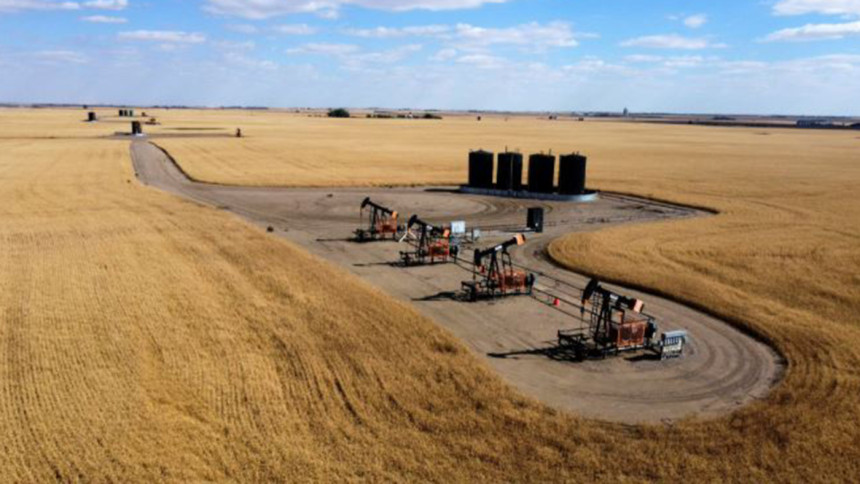 Pierwszy ładunek paliwa lotniczego Indii dociera na Zachodnie Wybrzeże Stanów Zjednoczonych, aby wesprzeć odbudowę rafinerii Chevron.">

Breaking New Ground in Energy Trade: India’s Jet Fuel Export
India has successfully dispatched its first-ever jet fuel cargo destined for the US West Coast, a move that fills a critical void left by supply challenges at Chevron’s El Segundo refinery in southern California. This shipment signifies a rare arbitrage opportunity exploited by Indian refiners to meet immediate market demands overseas.
The Catalyst: Refinery Fire Disrupts US West Coast Jet Fuel Supply
Since October, production of jet fuel on the US West Coast has been significantly impacted by a fire at Chevron’s El Segundo refinery, which has a daily capacity of 285,000 barrels. This unfortunate event led Chevron to halt operations in several refinery units, creating a gap in the local aviation fuel market and necessitating imports to balance demand.
From Jamnagar Port to Los Angeles: Details of the Shipment
A Panamax tanker named Hafnia Kallang was loaded with approximately 60,000 metric tons (or 472,800 barrels) of aviation-grade fuel at the Jamnagar port in India, home to Reliance Industries’ refinery. The loading occurred between October 28 and 29. The cargo charter was arranged by Castleton Commodities, and the vessel is slated to reach Los Angeles in early December.
Shipping and Pricing Dynamics in Jet Fuel Trade
Despite this landmark shipment, market insiders believe that frequent imports from India to the US West Coast may remain uncommon. This is primarily due to the higher shipping costs associated with the India-to-US West Coast route. For perspective, shipping refined fuels from South Korea to the same US region has held a steady freight price around $40 per ton since October.
The route from India to the US West Coast is not a standard shipping lane for this type of cargo, making spot shipping rates less transparent. Conversely, Northeast Asian countries have been dominating jet fuel exports to the West Coast, with recent exports reaching near five-month highs at roughly 600,000 tons in volume.
Price Arbitrage Supports Import Viability
The economics of this trade remain attractive due to sustained price arbitrage. US West Coast jet fuel prices have been consistently about $10 per barrel above the equivalent benchmark prices in Singapore, facilitating lucrative import opportunities despite higher transport costs. Nevertheless, jet fuel inventories on the US West Coast hit a three-month low around 11.12 million barrels as of early November, emphasizing the tight supply situation.
Implications for Logistics and Supply Chain Management
This event underscores the intricate interconnections within global energy logistics. Disruptions at key refining points reinforce the industry’s reliance on international freight networks to maintain supply balance. For the logistics sector, it illustrates the critical nature of adaptive shipping routes and the need for agile cargo forwarding to handle bulky and hazardous shipments like jet fuel efficiently and safely.
| Aspekt | Szczegóły |
|---|---|
| Typ ładunku | Jet fuel (aviation-grade) |
| Origin Port | Jamnagar, India |
| Destination Port | Los Angeles, US West Coast |
| Shipment Volume | 60,000 metric tons / 472,800 barrels |
| Transportation Mode | Panamax tanker shipping |
| Estimated Arrival | Early December |
Why This Matters to Logistics Professionals
- Adapting to supply shocks requires flexible and cost-effective freight options.
- Maritime shipping remains indispensable for large-scale bulk cargo, especially fuel products.
- Unusual trade routes, such as India to US West Coast for refined fuel, may surface under supply-demand pressure, calling for expertise in route optimization.
- Understanding spot shipping rates and freight cost dynamics is key for competitive forwarding services.
Looking Ahead: Supply Tightness and Recovery Timeline
Chevron anticipates completing repairs to the damaged El Segundo refinery units by early 2026. Until then, jet fuel supply tightness on the US West Coast is expected to persist, keeping the door open for occasional imports to fill local shortfalls. Chevron has acknowledged its commitment to meeting customer supply commitments globally, possibly leveraging both local production and imports.
Personal Experience Versus Market Reports
While market analyses, trade source reports, and shipping data provide invaluable insights, nothing quite compares to firsthand experience when evaluating the effectiveness and efficiency of cargo transport options. Platforms like GetTransport.com empower users to navigate the complex global freight landscape effortlessly, offering affordable, transparent solutions for shipping everything from household moves to large commercial shipments, including vehicles and bulky goods.
Users can benefit from the platform’s wide network of global carriers, balanced pricing, and service versatility, making it easier than ever to arrange reliable and cost-effective transportation without fuss or hidden costs. Book your Ride at GetTransport.com to experience shipping firsthand!
Global Logistics Perspective: What This Means
On the global stage, this jet fuel shipment may not revolutionize international logistics, given its rarity and the niche nature of the India-to-US West Coast route. However, it signals a critical example of how changing market conditions open new corridors and how agility in shipping and freight forwarding can mitigate regional supply risks.
GetTransport.com stays attuned to such shifts, ensuring its users continuously benefit from the most current and efficient cargo transport solutions. Start planning your next delivery and secure your cargo with GetTransport.com.
Summary: Key Takeaways on India’s Jet Fuel Export and Its Logistics Impact
India’s pioneering jet fuel shipment to the US West Coast illustrates a strategic response to a supply crunch triggered by refinery disruptions. This large-scale maritime transport highlights the importance of adaptive logistics, spot arbitrage opportunities, and diversified supply chains in the global fuel market.
The case sheds light on how shipping routes adjust dynamically to market signals and the ongoing role of tanker freight in bridging supply-demand gaps across continents. For logistics and shipping professionals, it reaffirms the value of flexible cargo routing, vigilant cost analysis, and the readiness to engage nontraditional trade corridors when the situation demands.
In this landscape, platforms like GetTransport.com offer cost-effective and reliable logistics solutions, serving not just commercial freight but also residential moves and bulky item transport worldwide. By facilitating transparency, competitive pricing, and extensive carrier choice, GetTransport.com aligns perfectly with the increasing need for agile, global freight handling in modern supply chains.