


 Polski
  English (UK)
  Русский
  العربية
  日本語
日本語  한국어
한국어  Magyar
  Türkçe
  Español
  Čeština
  Svenska
  Português
  Ελληνικά
  Suomi
Suomi  Nederlands
  Română
  Italiano
  Français
  Українська
  Deutsch
  简体中文
简体中文  Slovenčina
 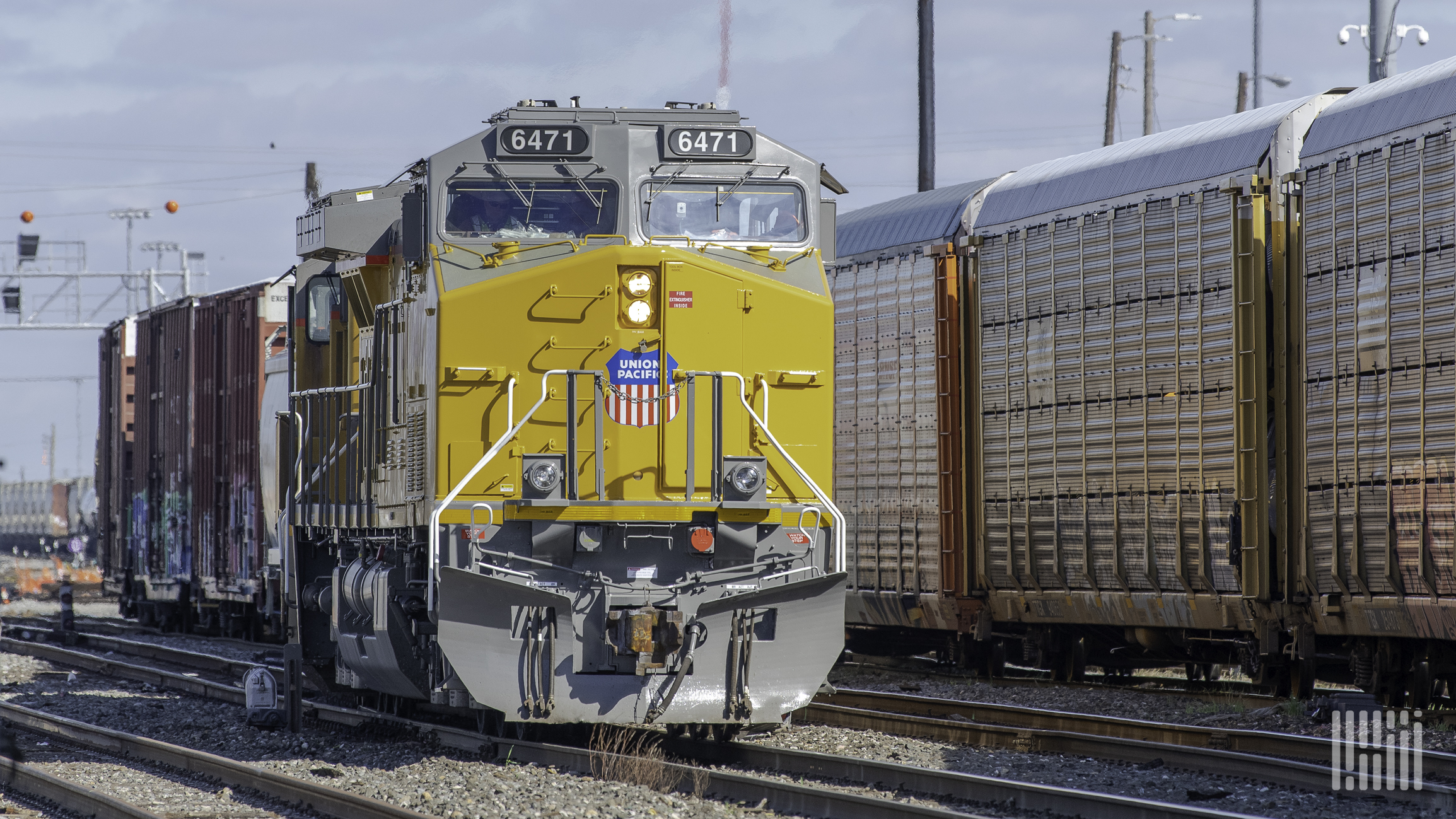 FRA wprowadza 10-milowy limit dla załóg kolejowych nie mówiących po angielsku, operujących w pobliżu granicy USA-Meksyk">

New Safety Measure on Rail Crews Crossing the U.S.-Mexico Border
The Federal Railroad Administration (FRA) has introduced a safety rule restricting non-English speaking rail crews operating inbound from Mexico to a maximum of 10 miles inside the United States from the border. This measure comes in response to concerns about language barriers impacting safe communication and operation of freight trains in cross-border contexts.
Understanding the 10-Mile Restriction
This limit means that crews without English proficiency can only manage trains a short distance from their entry point before the train must be handed over to English-speaking personnel. The discovery of communication difficulties, such as misinterpreting track bulletins and safety instructions among crews, prompted the FRA to clarify and enforce stricter certification standards for train crews.
The Importance of English Proficiency in Rail Operations
Safe railroad operation hinges on reliable communication between train crews, dispatchers, and emergency responders. Since critical railroad documentation and radio communications are conducted in English, crews must be proficient to operate safely. Without this, the risk of accidents grows considerably.
| Requirement | Opis |
|---|---|
| English Proficiency | Train crews must understand and communicate safety protocols clearly in English. |
| Certyfikacja | Only certified engineers and conductors with required knowledge, skills, and abilities can operate trains in the U.S. |
| Crew Changes Location | Crew transitions should ideally happen at border points or bridges to ensure compliance. |
How This Affects Cross-Border Railway Logistics
For companies and industries relying on rail freight crossings between Mexico and the U.S., this change means stricter operational boundaries and crew management. It could influence freight schedules, crew logistics, and border operations, factors that significantly affect timely deliveries and cargo movement efficiency.
Balancing Safety and Operational Continuity
While the rule enhances safety by ensuring crews understand essential instructions, it may require rail operators to rethink how cross-border freight is managed. Crew rotations might become more frequent and localized at border points, potentially adding a layer of complexity to dispatch and haulage planning. However, this can ultimately lead to smoother communication and reduced risk of errors on the tracks.
Rail Union’s Role and Industry Reactions
The standpoint was partly influenced by advocacy from the Brotherhood of Locomotive Engineers and Trainmen (BLET), which called for stricter crew change policies at international crossings to guarantee language proficiency and adherence to U.S. safety standards. Their argument highlights the critical need for crews who have legal working authority and are directly subject to FRA regulations.
Not all industry voices agree, though. The Association of American Railroads (AAR) noted that many non-U.S. crews already meet rigorous U.S. operational and safety requirements, including background checks and drug testing. They argue that the existing system has successfully supported commerce and community safety at cross-border points.
Key Stakeholders and Their Perspectives
- BLET: Advocates for language and safety compliance to ensure secure and efficient train operations.
- FRA: Responsible regulatory body initiating inspections and enforcing rules for safe cross-border rail operations.
- AAR: Industry voice emphasizing the adequacy of current cross-border crew practices and safety measures.
Implications for Freight, Cargo Delivery, and Wider Logistics
This language proficiency cap has ripple effects throughout logistics, especially in freight shipment across the southern border. Rail freight remains a cornerstone of international transportation linking U.S. and Mexican markets. Anything impacting crew deployment straightaway touches dispatch efficiency, transit time, and, ultimately, delivery reliability.
Companies involved in cargo, parcel, and container shipping over this corridor will need to account for the changes in crew dynamics in their freight forwarding and haulage strategies. It underscores the importance of robust planning and coordination to minimize delays and avoid disruptions in the complex puzzle that is international logistics and distribution.
How Enforcement Works
- Uncertified or non-proficient crews must stop at the recorded customs inspection point.
- Only trained interpreters, certified per safety regulations, may assist.
- FRA will take enforcement action against trains operating beyond the allowed zone without proper English proficiency.
Summary of the Language Proficiency Safety Rule
| Aspekt | Szczegóły |
|---|---|
| Scope | Applies to cross-border trains from Mexico into the U.S. |
| Limitation | Non-English speaking rail crews limited to 10 miles inside U.S. territory. |
| Cel | Reduce safety risks by ensuring communication during rail operations. |
| Wpływ | Crew changes likely centralized near border crossings. |
Stawiając wszystko w odpowiedniej perspektywie
While regulations such as this can sometimes feel like red tape, they serve a crucial purpose — safety first. The unpredictability of rail operations demands that all hands on deck communicate clearly and swiftly, especially when lives, cargo, and public safety hang in the balance. This recent FRA limitation is a reminder that effective logistics chains rely heavily on human factors as much as on infrastructure and technology.
That being said, nothing beats firsthand experience when it comes to understanding the real-world impact of such policies. Fortunately, platforms like GetTransport.com provide a transparent and convenient gateway for shippers and transport planners to navigate these logistics shifts. Offering affordable global cargo transportation options, from office and home moves to bulky furniture and vehicle shipments, GetTransport.com streamlines freight and parcel management aligned with evolving regulatory landscapes.
Zarezerwuj przejazd z GetTransport.com and tap into a reliable, cost-effective fleet ready to handle your logistics needs—whether it’s a local dispatch or a complex international haul.
Co to oznacza dla globalnej logistyki
On a global scale, language proficiency requirements like the FRA’s 10-mile rule may not radically alter international freight patterns, but they signal a growing emphasis on safety and communication standards everywhere. For freight forwarders, shippers, and rail operators, it’s a nudge to optimize crew scheduling and cross-border handoffs carefully.
This policy certainly carries weight for those operating in the North American rail corridor—the busiest land route connecting two major economies. GetTransport.com keeps a close eye on such shifts, ensuring the platform’s users stay ahead of the curve and benefit from efficient, lawful, and safe freight transport solutions.
Zacznij planować kolejną dostawę i zabezpiecz swój ładunek z GetTransport.com.
Wnioski
By limiting non-English speaking rail crews to a 10-mile zone beyond the southern border, the FRA aims to tighten safety controls over a critical segment of cross-border rail freight. This move is a response to potential hazards arising from language barriers, underscoring how vital clear communication is in rail logistics. The policy influences crew certification, operating procedures, and, by extension, freight scheduling and delivery timeliness—core concerns in the logistics industry.
For anyone managing shipments across this corridor, keeping an eye on operational compliance is as crucial as tracking transit time and cargo condition. GetTransport.com offers a versatile platform to manage these logistics challenges in an affordable, global framework—supporting everything from small parcel deliveries to large-scale freight and relocation undertakings. By integrating safety awareness with smart logistics, businesses can better navigate the intricacies of international shipping and enforcement demands.