


 Polski
  English (UK)
  Русский
  العربية
  日本語
日本語  한국어
한국어  Magyar
  Türkçe
  Español
  Čeština
  Svenska
  Português
  Ελληνικά
  Suomi
Suomi  Nederlands
  Română
  Italiano
  Français
  Українська
  Deutsch
  简体中文
简体中文  Slovenčina
 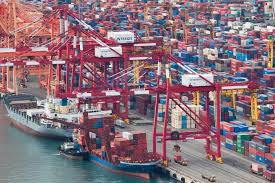 South Korea’s Container Shipping Costs Fall in October Amid Export Market Shifts">

Shipping Cost Trends for South Korean Exports in October
In October, container shipping rates from South Korea to several major trading partners experienced noticeable declines. This shift affects export logistics and cargo transport flows to key regions including the United States, European Union, China, and Japan.
Downward Trends for 40-Foot Container Shipping Costs
The average expense for shipping a 40-foot container — a standard size widely used in international freight — saw a reduction to major export destinations. Shipping costs to the eastern coast of the U.S. fell by 2.8% compared to the previous month, reaching about 5.34 million South Korean won (roughly US$3,674). This marks the fourth straight month of decline for this trade lane, indicating easing pressures on freight charges.
Meanwhile, the European Union experienced an even steeper drop: shipping costs decreased by 11.6% to about 3.1 million won. Exporters sending goods to China and Japan also benefited from significant cost dips—down 24.7% and 18.1% respectively, with prices softening to around 532,000 won to China and 563,000 won to Japan for a 40-foot container.
Exceptions Amidst the Decline
While many routes saw cost reductions, some trade routes bucked the trend. For instance, container shipping prices to the U.S. west coast increased by 3.5% month-on-month, reaching approximately 5.15 million won. Similarly, costs to Vietnam rose by 13.2%, climbing to about 1.5 million won. These variations underscore how regional demand, port congestion, and other factors can create divergent freight pricing dynamics.
Breakdown of Shipping Costs Components
The shipping cost figures encompass a variety of expenses beyond just freight charges. They include commissions and ancillary fees reported by exporters, reflecting the comprehensive cost burden involved in moving goods overseas. Understanding these detailed components provides valuable insight into the evolving landscape of global cargo logistics.
Table: Approximate Container Shipping Costs from South Korea in October
| Cel podróży | Average Cost (40-foot container, in million won) | Monthly Change (%) |
|---|---|---|
| U.S. East Coast | 5.34 | -2,81% |
| Unia Europejska | 3.10 | -11,6% |
| Chiny | 0.532 | -24.7% |
| Japonia | 0.563 | -18.1% |
| U.S. West Coast | 5.15 | +3.5% |
| Wietnam | 1.5 | +13.2% |
Implikacje dla globalnej logistyki i spedytorów
These fluctuating container shipping costs from South Korea highlight the sensitive balance of demand and supply in global transport networks. For logistics professionals, such changing rates can impact decisions about routing, shipment timing, and carrier selection.
The downward pressure on shipping prices to standard export markets like the U.S. east coast and the EU may open opportunities for businesses to streamline their freight forwarding expenditures. Conversely, increases on some trade lanes like to Vietnam or the U.S. west coast require careful planning to avoid surprise costs that could otherwise hit transport budgets.
Given the volatility in tariff policies and international trade terms, carriers and shippers alike must stay nimble. Managing these cost variables is critical to optimizing dostawa cargo timelines and maintaining competitive advantage in supply chains.
List: Factors Likely Influencing Shipping Cost Movements
- Changes in trade policies and tariffs
- Seasonal demand fluctuations for exports
- Port congestion or operational bottlenecks
- Fuel price volatility impacting freight rates
- Carrier capacity adjustments and scheduling shifts
Leveraging Cost Insights for Efficient Transport Planning
Staying current with such market shifts empowers logistics planners to tailor their dispatch oraz transport strategies effectively. In fact, the better one understands the cost terrain, the sharper the ability to negotiate contracts, plan container shipments, and coordinate last-mile dystrybucja.
Online platforms like GetTransport.com provide a strong complement to this knowledge by offering access to global networks of transport providers at transparent, affordable rates. From large-scale relokacja of office inventory to shipping bulky goods, vehicles, or smaller parcels, GetTransport.com’s versatility simplifies the complexity of organizing? international freight. This advantage mixes well with on-the-ground awareness of evolving shipping costs, enabling smarter logistics management.
Why Personal Experience Still Matters
While data on shipping cost trends and honest reviews offer valuable guidance, nothing beats firsthand experience when choosing freight and transport services. On platforms like GetTransport.com, users benefit from competitive pricing globally and a wide range of options that fit local and international needs. This allows making informed decisions without unnecessary expenses or letdowns.
Convenience, affordability, and extensive selection characterize the service, reinforcing its role as a critical tool in today’s dynamic shipping and moving landscape. Book your Ride on GetTransport.com.com to experience streamlined logistics coordination tailored to your precise cargo requirements.
Looking Ahead: Impact on Global Shipping and Logistics
The trends observed in South Korea’s container shipping costs for October may not revolutionize global logistics overnight, but they do reflect subtle shifts in international trade rhythms. These changes reiterate the importance of staying current with pricing trends, especially as they influence cost-to-serve and overall supply chain reliability.
At GetTransport.com, keeping pace with these developments aligns perfectly with the platform’s mission to offer flexible, cost-effective solutions that cater to evolving demands. Start planning your next delivery and secure your cargo with GetTransport.com.
Podsumowanie
October witnessed a decline in container shipping costs from South Korea to key markets, notably the U.S. east coast, EU, China, and Japan, with a few exceptions showing cost increases such as shipments to the U.S. west coast and Vietnam. These fluctuations impact freight rates, shipment planning, and overall logistics cost management.
Understanding these shifts helps businesses optimize their logistics strategies by selecting the most cost-efficient routes and transportation methods. Platforms like GetTransport.com further enhance this by providing reliable global cargo transport solutions, servicing diverse needs ranging from office and home ruchomy to bulky and vehicle shipping. By offering transparent pricing and extensive logistics options, GetTransport.com simplifies the complex world of international freight, delivering value for cargo owners and operators alike.