


 Polski
  English (UK)
  Русский
  العربية
  日本語
日本語  한국어
한국어  Magyar
  Türkçe
  Español
  Čeština
  Svenska
  Português
  Ελληνικά
  Suomi
Suomi  Nederlands
  Română
  Italiano
  Français
  Українська
  Deutsch
  简体中文
简体中文  Slovenčina
 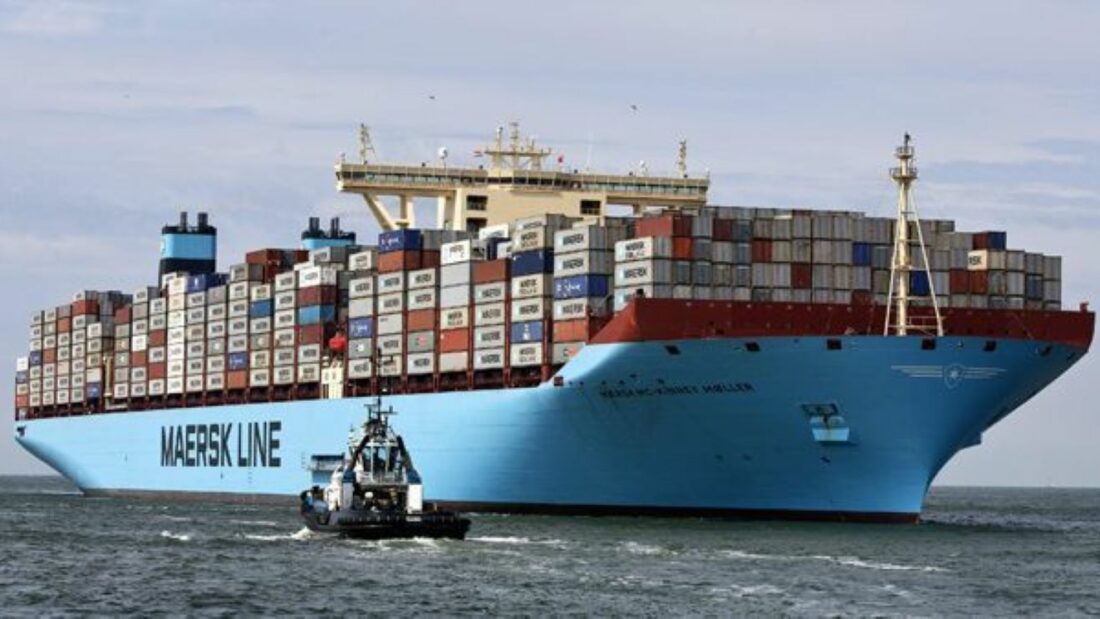 Maersk Holds Off on Resuming Suez Canal Transits While Security Issues Persist">

Uncertainty Continues Over Suez Canal Transit Resumption
The maritime sector remains in a bit of a holding pattern as one of its giants, Maersk, signals no imminent return to the Suez Canal. Despite official announcements hinting at a comeback, safety concerns prevail, prompting a delay in resuming full transit.
Background: Developments on Canal Transit Plans
Recent public statements stirred expectations regarding Maersk’s plans to restart transit of its vessels through the Suez Canal by early December. The Suez Canal Authority, in collaboration with Maersk’s parent group APMoller-Maersk, initially announced a joint effort toward a gradual return to full passage capacity. However, Maersk promptly clarified that no specific timeline had been set, underlining that the security of crew, vessels, and cargo remains paramount. This correction points to a cautious approach rather than the firm commitment some anticipated.
Other Shipping Lines’ Positions
Similar activity with the Suez Canal Authority involves CMA CGM, which reportedly plans to restore its full transit capacity through the canal. Conversations have reached an advanced stage, signalling a potential full resumption come December. Yet, as of now, CMA CGM has not issued any official confirmation on this matter.
Security Concerns in the Red Sea and Surrounding Regions
The verdict on resuming Suez Canal transit isn’t merely operational but anchored deeply in security considerations. The area remains unpredictable due to ongoing conflict and instability in Yemen, particularly tied to the Houthi group. While recent months have seen a decline in direct attacks on merchant ships, no definitive ceasefire or cessation of hostile actions has been declared.
The complex web of regional tension — including shifting allegiances and deteriorations in relations between various actors — contributes to making any transit decision more about weighing risks than simply charting courses. Past threats to key waterways, such as the Bab el-Mandab Strait, remain a specter that shipping lines cannot easily dismiss.
Implications of Elevated Insurance Costs
One often overlooked but vital factor shaping routing decisions is insurance. Insurance premiums for vessels navigating through the Red Sea and the commercial gateway of the Suez Canal remain significantly elevated. For large shipping companies operating on razor-thin margins, these costs can be the deciding factor in whether to boldly reenter potentially volatile waters or to maintain alternative, longer routes.
| Czynnik | Impact on Routing Decision |
|---|---|
| Security Threats | Increased risk to vessels and cargo, leading to hesitation in transit through the canal and adjacent seas. |
| Insurance Premiums | Higher costs increase operational expenses, influencing the choice of safer but longer routes. |
| Regional Political Dynamics | Unpredictable developments deter permanent routing decisions and raise contingency plans. |
How This Unfolds for Global Logistics and Shipping
Given that the Suez Canal is one of the busiest maritime chokepoints worldwide, delays in resuming normal transits affect global supply chains profoundly. Rerouting cargo vessels around the Cape of Good Hope or through alternative passages increases delivery times and costs, impacting everything from freight schedules to inventory management.
Companies like GetTransport.com stand ready to support logistics professionals and businesses facing such uncertainties. By offering access to global, reliable, and affordable cargo transportation services—from office moves and bulky goods to vehicle shipping—the platform helps clients adapt to evolving conditions where routing may shift unpredictably.
Summary of Key Challenges and Considerations
- Security remains the deciding factor for resuming full-scale maritime traffic through the Suez Canal.
- Insurance rates through the Red Sea corridor stay considerably high, pushing shipping companies toward caution.
- Alternative routes add time and expense, affecting freight schedules and operational logistics worldwide.
- Stakeholders closely monitor the evolving geopolitical dynamics for any shifts impacting maritime safety.
Your Takeaway: Reliable Transport Is More Crucial Than Ever
Ultimately, even the most well-reasoned reviews and expert insights can’t replace firsthand experience. When it comes to managing your cargo transportation needs amid such uncertainties, platforms like GetTransport.com offer access to competitive rates on global routes. This empowers you to make smart choices without overpaying or suffering from unexpected delays.
Providing transparent pricing, a broad range of transport options for all cargo sizes—including pallets, containers, and bulky shipments—and the convenience of online booking, GetTransport.com embodies the flexibility and reliability the market demands today. Zarezerwuj przejazd z GetTransport.com and navigate your logistics with confidence.
Spojrzenie w Przyszłość Krajobrazu Logistyki
While the lingering unrest and security concerns in the Red Sea may not have an overwhelming immediate impact globally, they remain significant to the maritime logistics landscape. Keeping a pulse on such developments helps maritime logistics providers and cargo planners stay agile and responsive to change. It’s no small potatoes when a major player like Maersk holds off on canal transit—the ripple effects are felt far and wide.
GetTransport.com is committed to staying abreast of these dynamic challenges, ensuring that its users always have access to timely, efficient, and cost-effective transportation solutions. Start planning your next delivery and secure your cargo with GetTransport.com.
Wnioski
In sum, the cautious stance of Maersk regarding the Suez Canal transit highlights broader concerns in the shipping world surrounding security and operational risk. Elevated insurance costs and unstable conditions in the Red Sea region add layers of complexity to maritime logistics planning. For businesses navigating freight consignments, shipment schedules, and international hauling, this spells the need for flexible, reliable transport partners.
Through extensive offerings that cater to various shipping needs, GetTransport.com presents a smart, user-friendly way to manage cargo transportation worldwide. Whether arranging bulky freight, comprehensive moving services, or simple parcel dispatches, it simplifies global logistics with competitive pricing and dependable service—right when the seas get a little rough.