


 Polski
  English (UK)
  Русский
  العربية
  日本語
日本語  한국어
한국어  Magyar
  Türkçe
  Español
  Čeština
  Svenska
  Português
  Ελληνικά
  Suomi
Suomi  Nederlands
  Română
  Italiano
  Français
  Українська
  Deutsch
  简体中文
简体中文  Slovenčina
  Obniżki ceł Trumpa na podstawowe artykuły spożywcze i ich wpływ na ceny i logistykę">

Wprowadzenie do dostosowań taryf celnych na import żywności
Wprowadzane są znaczące zmiany w obszarze ceł importowych, wpływające na kluczowe produkty spożywcze, takie jak wołowina, pomidory, kawa i banany. Obniżki ceł mają na celu złagodzenie cen żywności w obliczu rosnących obaw o koszty życia, zwłaszcza w przypadku towarów importowanych, których Stany Zjednoczone nie są w stanie produkować w wystarczających ilościach na rynku krajowym.
Tło: Dlaczego obniżanie ceł na żywność ma znaczenie
Rząd USA przyznał, że wcześniejsze środki celne przyczyniły się do wzrostu presji cenowej na konsumentów. Poprzez ukierunkowanie na konkretne produkty rolne, które są podstawą amerykańskiej diety, ale w dużej mierze importowane, administracja ma na celu złagodzenie presji inflacyjnej przy kasach w sklepach spożywczych. Towary, na które zwrócono uwagę – wołowina, pomidory, kawa i banany – stanowią podstawowy import żywności, który pomaga zaspokoić krajowy popyt w USA.
Dlaczego akurat te surowce?
- Wołowina: Mimo częściowej produkcji krajowej, USA polegają na imporcie, aby pokryć niedobory popytu.
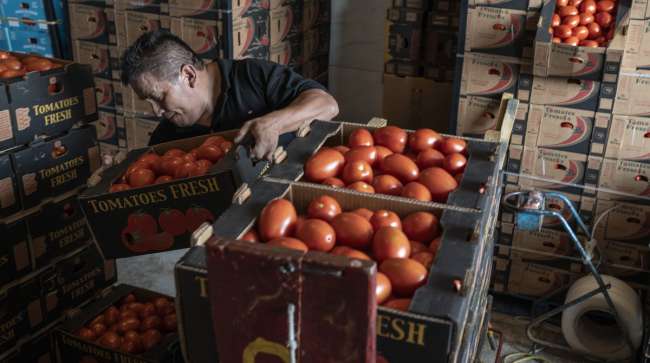
- Pomidory: Podstawa niezliczonych posiłków, często importowana, aby sezonowo uzupełniać lokalną produkcję.
- Kawa: Prawie w całości importowana, kawa jest rośliną trudną w uprawie w klimacie USA.
- Banany: Towary importowane, które nie mają znaczącej produkcji krajowej.
Nuance redukcji taryf celnych
Nadchodzące rozporządzenie wykonawcze wprowadza zwolnienia, które obniżają cła na wybrane towary. Jednakże konkretny zakres obniżki ceł, liczba objętych produktów i zakres zwolnień nie zostały w pełni ujawnione. Działanie to jest częścią strategii selektywnego dostosowywania opłat handlowych po wprowadzeniu początkowych, szeroko zakrojonych ceł.
Równoważenie polityki handlowej i cen konsumenckich
Obniżkę taryf można postrzegać jako subtelną zmianę w polityce handlowej — od ogólnego podejścia taryfowego do bardziej ukierunkowanej ulgi tam, gdzie jest to ekonomicznie uzasadnione. Administracja sygnalizuje uznanie, że o ile taryfy mogą chronić niektóre sektory, czasami nakładają również niezamierzone obciążenia kosztami na konsumentów.
Głosy ze Sfery Handlowej
Urzędnicy zaangażowani w negocjacje handlowe podkreślają, że te zwolnienia z ceł są zintegrowane z szerszym planem, mającym na celu stworzenie ścieżek ulg dla strategicznych sektorów. Celem jest zapewnienie, że kluczowe towary niezbędne dla konsumentów pozostaną bardziej przystępne cenowo, zwłaszcza w odniesieniu do artykułów o ograniczonej podaży krajowej.
Wglądy Przedstawiciela Handlowego
Politycy handlowi zauważają, że znoszenie ograniczeń taryfowych we właściwym czasie świadczy o reaktywności na dynamiczne wymagania rynku i realia ekonomiczne. Decyzje te odzwierciedlają balans pomiędzy promowaniem produkcji krajowej a efektywnym zarządzaniem kosztami importu.
Implikacje dla łańcucha dostaw i logistyki
Z logistycznego punktu widzenia, zmiany taryf celnych na kluczowe importowane produkty spożywcze wpływają na operacje frachtowe i spedycyjne. Obniżone taryfy celne mogą zwiększyć wolumen importu, wpływając na harmonogramy wysyłek, zapotrzebowanie na kontenery i obciążenie pracą przewoźników w łańcuchu dostaw. Importerzy mogą odnotować poprawę marż, co potencjalnie umożliwi bardziej konkurencyjne ceny na rynkach krajowych.
Najważniejsze informacje o wpływie logistyki
| Aspekt | Potencjalna Zmiana |
|---|---|
| Wolumen Importu | Prawdopodobnie będzie rosła, preferując wyższą częstotliwość wysyłek i przepływu ładunków. |
| Popyt na transport | Zwiększony popyt na spedycję, przeładunek kontenerów i dostawy ostatniej mili. |
| Koszty łańcucha dostaw | Potencjalne zmniejszenie wydatków związanych z cłem importowym, co pozwoliłoby na przeniesienie oszczędności na dalsze etapy łańcucha dostaw. |
| Zarządzanie zapasami | Możliwość lepszego uzupełniania zapasów przy zmniejszonej presji kosztowej. |
Aspekt ekonomiczny i konsumencki
O ile cła zapewniają ochronę krajowym gałęziom przemysłu, mogą również wpływać na ceny konsumenckie, podnosząc rachunki za artykuły spożywcze. Ograniczenie ceł na wybrane produkty spożywcze ma na celu osiągnięcie równowagi — wspieranie producentów krajowych przy jednoczesnym uwzględnieniu realiów globalnego rynku.
Władze przyznają, że cła odgrywają rolę, ale z zadowoleniem przyjmują adaptacyjne strategie reagujące na inflację i wyzwania związane z kosztami życia, dążąc w ten sposób do złagodzenia tarć między protekcjonizmem handlowym a dostępnością cenową dla konsumentów.
Jak konsumenci i przedsiębiorstwa mogą na tym skorzystać
Dostosowania taryf zwiastują możliwości dla importerów, sprzedawców detalicznych i dostawców logistycznych, aby zoptymalizować działalność i koszty. Konsumenci mogą spodziewać się pewnego odciążenia w zakresie podstawowych artykułów spożywczych, a przedsiębiorstwa wzdłuż łańcucha dostaw przygotowują się na potencjalnie większe i częstsze dostawy.
Final Thoughts and Logistics Outlook
Pomimo zlokalizowanego charakteru obniżek ceł na niektóre importowane produkty spożywcze, takie jak wołowina, kawa, banany i pomidory, konsekwencje przenikają przez cały globalny ekosystem ładunków i frachtu. Chociaż ich globalny wpływ może nie spowodować wstrząsów sejsmicznych w międzynarodowej logistyce, te posunięcia podkreślają znaczenie elastyczności w zarządzaniu handlem i transportem.
GetTransport.com uważnie śledzi takie zmiany, aby mieć pewność, że jego platforma jest na bieżąco z ewoluującym otoczeniem handlowym. Niezależnie od tego, czy chodzi o organizację przeprowadzek biur lub domów, transportu dużych mebli, przesyłek pojazdów, czy też międzynarodowych dostaw ładunków, GetTransport.com oferuje niezawodne i ekonomiczne rozwiązania transportowe, dostosowane do zmieniającego się świata.
Doświadczenie Mówi Głośniej Niż Recenzje
Choć recenzje i opinie są cenne, nic nie przebije osobistego doświadczenia, aby naprawdę zrozumieć wpływ zmian taryf na koszty transportu i dostawy ładunków. GetTransport.com daje możliwość rezerwacji przesyłek po konkurencyjnych cenach globalnych, łącząc wygodę z przejrzystością — pomagając klientom uniknąć niepotrzebnych wydatków lub niespodzianek.
Odkryj szeroką gamę opcji spedycji towarów, paczek, palet i kontenerów w przystępnych cenach, przy wsparciu niezawodnej globalnej sieci logistycznej. To umożliwia podejmowanie mądrzejszych decyzji, które oszczędzają czas i pieniądze. Zarezerwuj swój transport na GetTransport.com i korzystaj z bezproblemowych usług spedycji i transportu na całym świecie.
Podsumowanie
W skrócie, obniżki ceł na kluczowe importowane produkty spożywcze, takie jak wołowina, pomidory, kawa i banany, mają na celu obniżenie cen artykułów spożywczych dla konsumentów borykających się z presją inflacyjną. To selektywne złagodzenie ceł handlowych ilustruje ciągłe balansowanie między ochroną krajowego przemysłu a zapewnieniem przystępności cenowej. Takie zmiany w polityce wpływają na szerszy krajobraz żeglugi i logistyki, potencjalnie zwiększając wolumeny frachtu i optymalizując koszty łańcucha dostaw.
GetTransport.com idealnie wpisuje się w ten kontekst, oferując rozbudowaną platformę do zarządzania ładunkami, frachtami i przesyłkami z elastycznością i przystępną ceną. Wraz ze zmianą warunków rynkowych zmienia się również zapotrzebowanie na niezawodne rozwiązania transportowe i logistyczne, co sprawia, że GetTransport.com jest naturalnym sojusznikiem w zapewnianiu sprawnej dostawy paczek, palet i towarów wielkogabarytowych – zarówno krajowych, jak i międzynarodowych.